
The $60K Floor vs. The Gold Ceiling: Navigating the 2026 Wealth Trap
کف ۶۰ هزار دلاری بیتکوین در برابر سقف طلایی: مسیریابی ثروت در تله تورمی ۲۰۲۶
As Bitcoin establishes a psychological floor at $60,000 and the US Senate confirms a Trump loyalist as Attorney General, the Iranian saver faces a crossroads. We compare the institutional surge of crypto against the physical safety of gold in a weekend marked by regional tension.
At time of publishing
USD
186,400
Toman
Gold 18K
18.78M
Toman / gram
Bitcoin
$65,101
US Dollar
Tether
185,889
Toman
The Institutional Shield: Why $60,000 is the New Zero
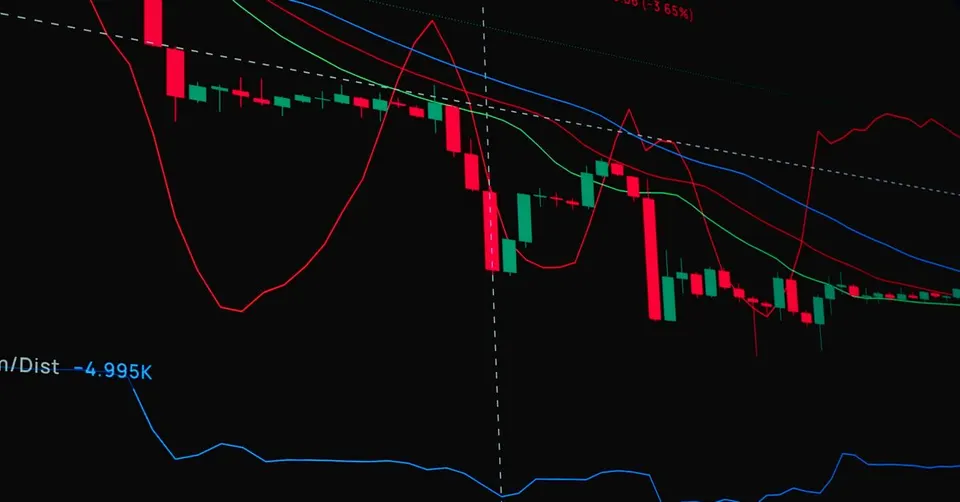
The narrative surrounding Bitcoin has shifted from speculative 'magic internet money' to a legitimate institutional asset class. This weekend, Alex Svanevik, founder of Nansen, made a bold claim that Bitcoin will never fall below the $60,000 mark again. This isn't just bravado; it is backed by the reality of real-world assets (RWA) moving onto the blockchain. Currently trading at $65,101, Bitcoin is no longer just a playground for retail traders. Matt Hougan, CIO of Bitwise, noted that large capital pools controlling up to $200 trillion globally are beginning to pivot. Even a 1% shift of that capital into Bitcoin would create a demand shock that physical gold—hampered by its own weight and transport costs—cannot easily match.
For the Iranian investor, this 'institutional floor' provides a different kind of security than the Toman. While the USD/IRR rate saw a slight dip of 0.2% today, settling at 186,400, Bitcoin’s global stability offers a hedge that is increasingly detached from local currency volatility. The argument for Bitcoin in 2026 is its liquidity; unlike a physical gold bar that requires a reputable dealer and a physical meeting, Bitcoin can be converted to USDT (currently at 185,889 Toman) in seconds, providing an exit ramp that the traditional market lacks.
The Trump Factor: Todd Blanche and the Enforcement Era
The geopolitical landscape shifted significantly this Saturday as the US Senate narrowly confirmed Todd Blanche as the new Attorney General. Blanche, a staunch loyalist and former personal attorney to Donald Trump, now sits at the helm of the US law enforcement apparatus. This appointment is a clear signal of an 'America First' enforcement policy. For Iran, this likely translates to a more aggressive pursuit of sanctions and a tightening of the financial net. When the US legal system is aligned so closely with the presidency, the 'risk-off' sentiment usually drives Iranians toward the safety of physical assets.
However, we are seeing a strange divergence in the local market. While global gold prices per gram fell by 0.9% to 18,779,722 Toman, the Emami gold coin actually rose by 0.8%, reaching 186,500,000 Toman. This 'bubble' in the coin market suggests that local fear is outweighing global price trends. When Yemen teeters on civil war and the Strait of Hormuz remains a flashpoint of tension, the premium on a portable, physical coin increases, even if the underlying gold value is dropping. It’s a classic case of local panic buying versus global market reality.

The Liquidity Paradox: USDT vs. Physical Gold
Choosing between USDT and physical gold in late 2026 comes down to your definition of 'risk.' USDT is currently trading at a slight discount to the paper dollar (185,889 vs 186,400), making it an attractive entry point for those looking to stay liquid. The convenience of digital dollars allows for immediate movement, which is crucial when regional stability hangs in the balance. If the conflict in Yemen escalates further, affecting oil routes, the speed of your financial reaction could be the difference between preserving wealth and being trapped in a devaluing Toman.
On the other hand, the Emami coin's recent 0.8% climb despite a drop in raw gold prices highlights the 'liquidity trap' of physical assets. You are paying a high premium for the privilege of holding physical metal. While gold is the ultimate hedge against a total systemic collapse, it is notoriously difficult to spend during a crisis without taking a massive 'haircut' on the price. In 2026, the sophisticated saver isn't picking just one; they are balancing the institutional growth of Bitcoin, the utility of USDT, and the final-resort safety of gold, all while keeping a very close eye on the aggressive new legal stance coming out of Washington.

Frequently Asked Questions
Why did the Emami coin price rise while global gold fell?
Is the $60,000 floor for Bitcoin reliable for Iranian investors?
How does Todd Blanche's confirmation as US Attorney General affect the Toman?
Understanding Inflation Hedging
Inflation hedging is a crucial strategy for individuals and institutions seeking to preserve their purchasing power when the value of currency erodes over time. At its core, an inflation hedge is an asset that is expected to retain or increase its value during periods of rising prices, thereby offsetting the depreciation of fiat money. This becomes particularly vital in economies experiencing high inflation or significant currency devaluation, where holding cash can lead to a rapid loss of wealth. People turn to various assets, from traditional stores of value to modern digital alternatives, hoping to shield their savings from inflationary pressures.
Historically, precious metals like gold have been the quintessential inflation hedge. Gold's intrinsic value, scarcity, and long-standing role as a medium of exchange and store of wealth have made it a reliable choice for centuries. Its price often moves inversely to the strength of fiat currencies, especially the U.S. dollar, and tends to perform well during economic uncertainty and inflationary spikes. However, even traditional hedges are not without their risks; speculative demand can sometimes push their prices into "bubbles," where the asset's market value significantly exceeds its fundamental value, making it vulnerable to sharp corrections.
In recent years, cryptocurrencies like Bitcoin have emerged as a new contender for the title of inflation hedge, often dubbed "digital gold." Proponents argue that Bitcoin's decentralized nature, capped supply, and independence from government monetary policy make it an ideal safe haven against currency debasement. While Bitcoin has shown periods of strong performance during inflationary environments, its price volatility remains a significant concern. Its relatively short history as a major asset also means its long-term effectiveness as a consistent inflation hedge is still being debated and tested, especially compared to the millennia-long track record of gold.
Ultimately, the choice of an inflation hedge depends on an investor's risk tolerance, time horizon, and the specific economic context. Whether it's gold, Bitcoin, real estate, or other commodities, the goal remains the same: to protect wealth from the silent tax of inflation. However, understanding the characteristics, liquidity, and potential for speculative bubbles in any chosen asset is paramount to truly navigating the complexities of wealth preservation in a volatile economic landscape.