The Sanction Squeeze: Why the US Congress Just Forced Your Hand Between Gold and the Dollar
فشار تحریمهای جدید؛ چرا کنگره آمریکا شما را بین طلا و دلار مستاصل کرده است؟
As the US House fast-tracks a sweeping sanctions package against Iran's oil lifeline, the Toman has slipped 1.8% in a single day. We break down whether physical gold, the paper dollar, or USDT offers the best shield against this new wave of economic pressure.
At time of publishing
USD
188,500
Toman
Gold 18K
19.08M
Toman / gram
Bitcoin
$63,704
US Dollar
Tether
187,200
Toman
The Congressional Recess Surprise
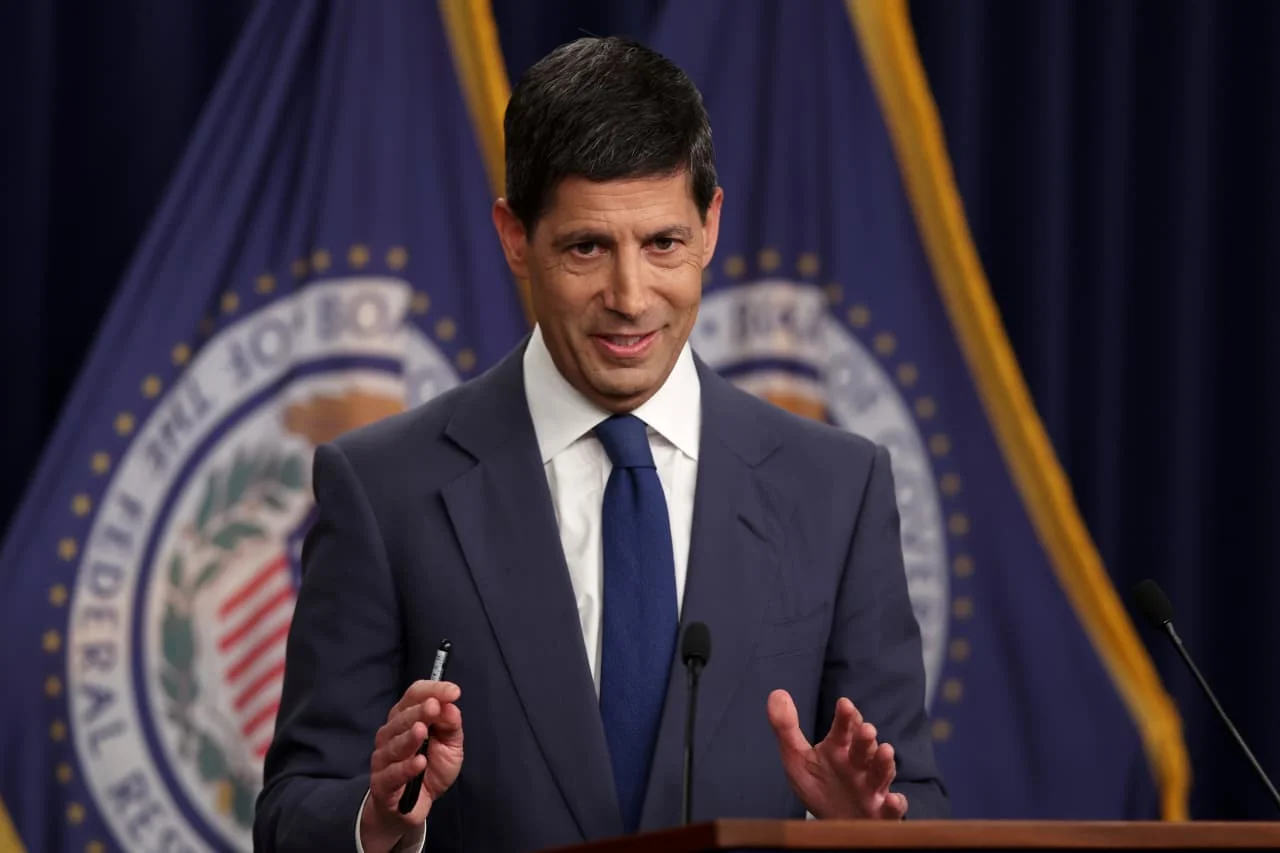
In a move that caught many observers off guard, the US House of Representatives moved with unusual speed on August 10 to advance a massive sanctions package. Despite being in their August recess, lawmakers like Michael McCaul and Brian Fitzpatrick pushed through legislation aimed directly at the oil lifelines of both Russia and Iran. This isn't just another bureaucratic hurdle; it is a calculated effort to squeeze the war economies of Moscow and Tehran while providing the Trump administration with maximum leverage for future negotiations. The market reaction in Tehran was almost instantaneous. By the evening of August 11, the USD sell rate climbed to 188,500 Toman, a sharp 1.8% increase from just 24 hours prior.
This legislative urgency signals a shift in the geopolitical temperature. When Washington acts during a recess, it usually means the policy consensus is ironclad. For the Iranian saver, this means the 'sanction premium' is back in full force. The Toman is feeling the weight of potential revenue losses from oil exports, and the traditional flight to safety has begun. But unlike previous cycles, the choice isn't just between the mattress and the bank; it’s a complex battle between the physical stability of gold and the liquidity of the greenback.
Gold vs. The Greenback: The 1.8% Reality
While the US Dollar rose 1.8% to hit 188,500, gold 18k per gram followed closely with a 1.5% gain, reaching 19,082,136 Toman. This slight lag in gold’s local growth is curious, especially with the global gold ounce sitting at a staggering $4,394.50. Typically, in times of high regional tension, gold outpaces the dollar due to its 'double-engine' pricing—it benefits from both the rising USD/IRR exchange rate and global price surges. However, the current data suggests that the immediate panic is focused on currency scarcity rather than a global commodity hedge.
Emami coins have surged to 189,500,000 Toman, reflecting a 1.6% jump. For the average investor, the Emami coin remains the king of liquidity in the Iranian bazaar, yet the 'bubble' or premium on these coins often makes them a volatile choice during sudden spikes. If the new sanctions successfully target oil tankers, the dollar's scarcity will likely drive the currency higher, while gold will rely on whether the global market continues to see it as the ultimate sanctuary amidst record-breaking heatwaves and global instability.
The Hormuz Factor and the Crypto Dilemma
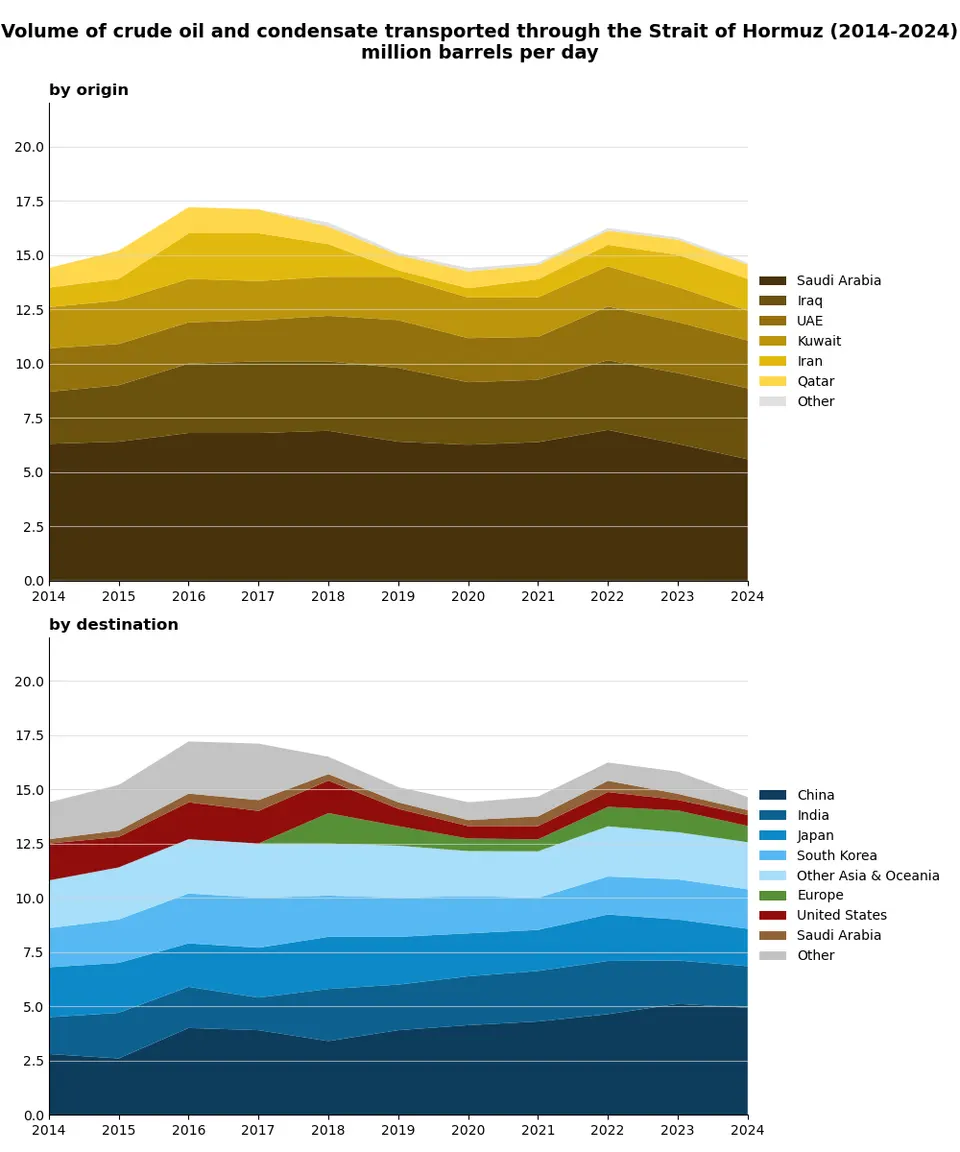
Bitcoin is currently telling a different story. While the Toman devalues, Bitcoin has slipped toward $64,000, currently trading at $63,704. The reason? Hopes for a de-escalation in the Strait of Hormuz are fading. Despite reports of Philippine sailors bravely returning to these dangerous waters to keep global trade moving, the market is pricing in a 'long-war' scenario. When 'Hormuz hopes' fade, traders often rotate out of risk assets like Bitcoin and back into the US Dollar or USDT.
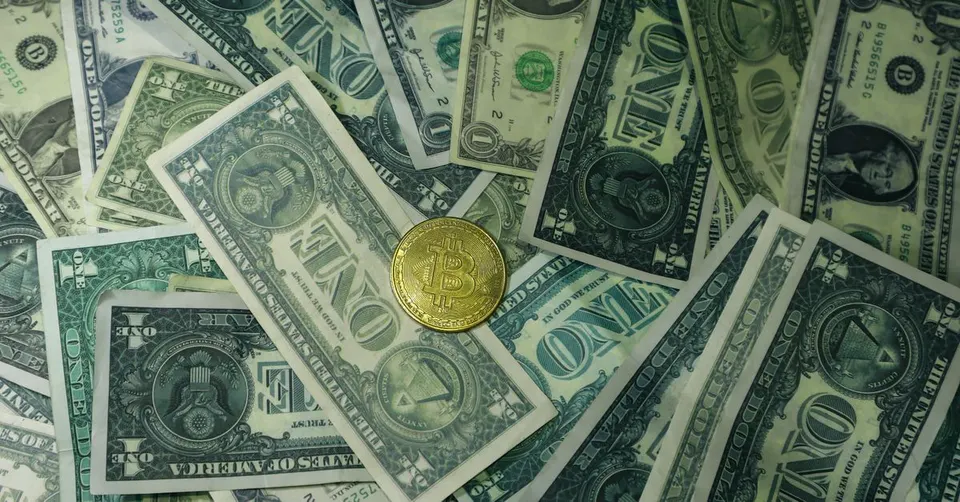
Interestingly, USDT (Toman) is trading at 187,200, slightly below the physical USD sell rate of 188,500. This gap represents the 'physicality premium'—the extra price Iranians are willing to pay to hold paper cash in their hands during times of high military tension. While USDT offers instant exit strategies and global mobility, the physical dollar remains the psychological anchor for the Iranian public when the headlines turn toward sanctions and naval blockades. Even as tech innovations like air-conditioned apparel and UV parasols attempt to manage the record heat of 2026, there is no technological fix for the heat of a sanctioned economy.
The Bottom Line for 2026
The choice between these assets now depends on your 'exit' horizon. If the Congressional push leads to a total freeze on oil revenues, the dollar's climb may only be beginning. Gold remains the generational hedge, but its current 1.5% growth suggests it is playing second fiddle to the immediate demand for hard currency. Meanwhile, the Cuban Mafia stories and global primary elections in the US remind us that the world is becoming increasingly fragmented. In such a world, diversifying between the physical (gold), the liquid (USD), and the digital (USDT) isn't just a strategy—it's a necessity for survival.
Concept Diagram
Watch
Full Episode: TODAY Show - August 10
NBC News
Frequently Asked Questions
Why is the US Dollar rising faster than gold in Tehran right now?
Is USDT a safer hedge than physical dollars during sanctions?
How do the new US sanctions specifically affect the Toman?
Why is Bitcoin falling while the Dollar and Gold are rising in Iran?
The Mechanics and Impact of Economic Sanctions
Economic sanctions are a powerful foreign policy tool employed by countries or international bodies to influence the behavior of other states, entities, or individuals. Rather than military intervention, sanctions aim to exert pressure through economic means, such as trade restrictions, financial embargos, asset freezes, or travel bans. The primary goal is often to compel a target regime to alter specific policies, adhere to international norms, or cease activities deemed undesirable by the imposing party.
In the context of the provided headline and keywords, financial and sectoral sanctions, particularly those targeting oil exports, are highly relevant. These measures severely restrict a country's ability to conduct international transactions, limiting its access to the global banking system and hindering its capacity to sell key commodities like oil on world markets. This directly impacts the target nation's foreign currency reserves, leading to a significant depreciation of its national currency against major international currencies like the US dollar (affecting the USD/IRR exchange rate).
The ripple effects of such sanctions are profound for the target economy and its citizens. Reduced foreign exchange earnings, coupled with difficulties in importing essential goods, often fuel high inflation and erode purchasing power. In response, individuals and businesses often seek alternative stores of value to protect their wealth. This explains the increased interest in assets like physical gold (such as the Emami coin in Iran) or even cryptocurrencies (like Bitcoin or USDT), which can be perceived as hedges against currency instability and a means to bypass traditional financial channels constrained by sanctions.