
Marmot Memes vs. Gold Bars: Navigating the 0.8% Surge in Tehran’s Volatile Market
از میمکوینهای سنجابی تا شمشهای طلا: تحلیل رشد ۰.۸ درصدی بازار در تب و تاب تهران
As local gold and USD prices climb exactly 0.8% in a single day, we compare the speculative lure of global crypto with the hard reality of Iranian inflation. Discover why sitting on profits might be a 'trap' and how the 'Marmot Paradox' defines modern savings.
At time of publishing
USD
188,500
Toman
Gold 18K
19.33M
Toman / gram
Bitcoin
$64,696
US Dollar
Tether
187,202
Toman
The Marmot Paradox: Speculation vs. Survival
In a bizarre twist of modern finance, scientists recently turned to OnlyFans and a 'marmot-themed' cryptocurrency to fund their research after facing budget cuts from the previous Trump administration. While this sounds like a fever dream, it highlights a fundamental shift in how value is perceived globally. For an Iranian investor, the 'Marmot Paradox' is all too familiar: when traditional systems fail or become inaccessible, the move toward alternative assets isn't just a hobby—it's a survival mechanism. Today, as the USD/IRR rose from 186,950 to 188,500 (+0.8%), the conversation isn't about saving marmots; it's about saving purchasing power from the relentless erosion of the Toman.
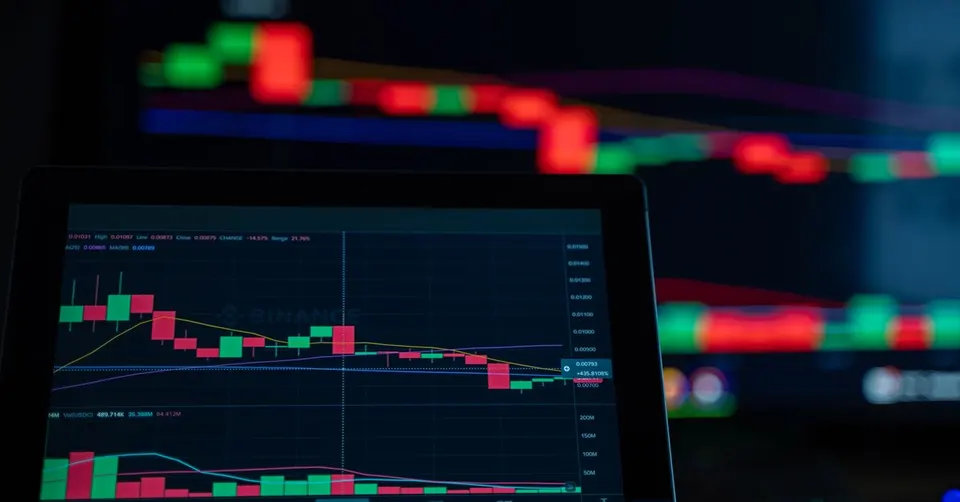
While global markets play with meme coins, the local market in Tehran remains tethered to the 'Big Three': the US Dollar, Gold 18k, and the Emami Coin. Interestingly, all three moved in perfect lockstep today, each posting a 0.8% gain. This synchronized movement suggests a broad-based devaluation of the local currency rather than a specific surge in demand for one asset over another. When 18k gold hits 19,333,764 Toman per gram, the narrative shifts from 'investment' to 'preservation.' The risk appetite that drives someone to buy a marmot coin is the same psychological engine that drives an Iranian to buy USDT at 187,202 Toman, but the stakes in Tehran are significantly higher.
The Profit Trap and the Exit Dilemma
Recent reports from the U.S. suggest that investors are currently sitting on massive unrealized gains, yet they are increasingly vulnerable to a downturn. This 'profit trap' is a global phenomenon. When you are 'up' on paper, the fear of losing those gains often leads to paralysis. In the Iranian context, this is amplified. If you bought Emami coins at 190.5 million Toman yesterday and they are now worth 192 million, you have technically made a profit. However, with the cost of living and imported goods rising at the same pace as the dollar, that 'profit' is often an illusion. You aren't getting richer; you are simply staying in place while the ground beneath you sinks.

This mirrors the situation of the 'absurdly cheap' dividend stocks mentioned in global financial news. Investors look for value in overlooked places because the 'blue chips' feel overextended. In Iran, the 'overlooked' value is often found in the liquidity of 18k gold versus the premium on coins. While the Emami coin carries a heavy 'bubble' or premium, gold per gram is more closely tied to the global ounce, which currently sits at a staggering $4,373.50. Choosing between them is a choice between the high-liquidity, high-premium 'sprint' of the coin and the steady, more predictable 'marathon' of raw gold. Each carries its own risk of a 'supply shock,' much like the warnings of gas shortages facing the UK by 2030.
Disengagement: Knowing When to Stop the Chase
There is a lesson to be learned from the recent news out of Ireland, where police were instructed to 'disengage' from a high-speed chase on the wrong side of a motorway to avoid a catastrophe. In finance, knowing when to disengage is just as vital. Whether it’s a snooker champion like Graeme Dott facing sudden legal turmoil or a currency peg breaking, markets are full of 'wrong-way' drivers. For the Iranian saver, disengaging might mean moving away from the physical dollar—which carries risks of theft, counterfeit, and physical decay—and moving toward USDT. At 187,202 Toman, USDT is currently trading at a slight discount to the physical dollar (188,500 Toman), offering a rare entry point for those seeking digital portability.

Ultimately, the choice between gold and USDT in 2026 comes down to your personal 'exit' strategy. Gold is the ultimate hedge against a total systemic collapse, a physical asset that has outlasted every regime in history. USDT, on the other hand, is the 'getaway vehicle'—it allows for rapid movement of capital across borders in an era where traditional banking is increasingly restricted. As we see with the crumbling of 'easy-money' business models in the crypto world, the assets that survive are those with utility. In Iran, the utility of gold is its history; the utility of USDT is its speed. Both rose 0.8% today, but only one can be sent to a wallet in seconds when the 'motorway' of the local economy gets too dangerous.
Concept Diagram
Frequently Asked Questions
Why did USD and Gold move by the exact same percentage today?
Is USDT a safer bet than physical USD in the current climate?
What is the 'Profit Trap' mentioned in the analysis?
How does the global gold ounce price affect the local 18k gold price?
Inflation Hedging and Capital Preservation in High-Inflation Economies
In economies experiencing sustained high inflation and rapid currency devaluation, such as Iran, the primary concern for individuals and businesses often shifts from growth to capital preservation. This phenomenon drives the urgent need for inflation hedging, a strategy designed to protect the purchasing power of savings and investments from erosion due to rising prices. When a national currency, like the Iranian Toman, loses value quickly against major foreign currencies, people naturally seek alternative assets that can act as a more stable store of value.
Historically, gold has served as the quintessential inflation hedge. Its intrinsic value, global acceptance, limited supply, and historical track record as a safe-haven asset make it a reliable choice during economic uncertainty. In markets like Tehran, the demand for physical gold or gold-backed instruments often surges during periods of Toman depreciation, as it offers a tangible and widely understood means to safeguard wealth against the local currency's decline.
More recently, cryptocurrencies have emerged as a modern, albeit more volatile, alternative for capital preservation. Assets like Bitcoin are seen by some as "digital gold" due to their decentralized nature and finite supply, offering a potential hedge against both inflation and government controls. Stablecoins, such as USDT (Tether), aim to peg their value to a stable asset like the US dollar, providing a digital proxy for foreign currency that can be easier to access and transfer than physical dollars in some regions. These digital assets offer a new frontier for individuals seeking to bypass traditional financial systems and preserve wealth.
However, the landscape also includes highly speculative assets, often dubbed meme coins (like the "Marmot crypto" mentioned). While these can experience dramatic price surges, they lack fundamental utility or intrinsic value and are driven primarily by social media hype and speculative frenzy. Unlike genuine inflation hedges, meme coins carry extreme volatility and significant risk, often leading to "bubbles" where late investors can suffer substantial losses. They represent a gamble rather than a strategic capital preservation tool.
Ultimately, navigating a volatile market with high inflation requires a nuanced approach to asset allocation. While traditional hedges like gold offer stability, and established cryptocurrencies provide a modern alternative with their own risks and rewards, speculative assets like meme coins highlight the dangers of chasing unsustainable trends. Understanding the true nature and risk profile of each asset class is paramount for effective capital preservation in challenging economic environments.