
Digital Weight vs. Golden Anchors: Navigating the 2026 Iranian Savings Dilemma
وزن دیجیتال در مقابل لنگرهای طلایی: دوراهی پسانداز ایرانیان در سال ۲۰۲۶
As Bitcoin flirts with $80,000 and local gold sees a minor dip, we analyze whether the physical security of an Emami coin outweighs the borderless agility of BTC. In a world of shifting borders and sudden tragic headlines, where should your capital rest?
At time of publishing
USD
206,300
Toman
Gold 18K
21.76M
Toman / gram
Bitcoin
$78,709
US Dollar
Tether
205,706
Toman
The Illusion of Physical Security
The world outside our borders feels increasingly precarious. This evening, reports from Rosenheim, Germany, detailed a tragic stabbing at a train station involving a British national, a stark reminder that physical safety is never a guarantee, even in the heart of Europe. For the Iranian investor, this sense of global instability often translates into a frantic search for a 'safe haven.' But as we look at the numbers today—with USD holding flat at 206,300 Toman and 18k gold dropping 0.5% to 21,755,390 Toman—the definition of 'safe' is being rewritten. Gold, the ancient protector, is currently showing a slight tremor in its local valuation, while Bitcoin maintains a high-altitude cruise at $78,709.

When we compare an Emami coin, priced at 218,000,000 Toman, to the digital equivalent in Bitcoin or USDT, we aren't just comparing assets; we are comparing philosophies of survival. The coin offers a tangible weight in your hand, a psychological comfort that no power outage or internet shutdown can erase. However, as the recent ferry disaster off Northern Cyprus reminds us, physical assets and the people who carry them are subject to the brutal whims of geography. If you needed to move your wealth across a border tomorrow, would you rather have a pocket full of gold coins or a 12-word seed phrase memorized in your head? The 'liquidity' of gold in Iran is unmatched at any local bazaar, but its 'portability' remains its greatest liability in a geopolitically volatile era.
Sovereignty and the Rejection of Unions
Geopolitics isn't just about conflict; it’s about the choice of independence. Iceland’s recent referendum, where 52.8% of voters rejected EU accession talks, mirrors a sentiment we see growing among sophisticated Iranian savers: the desire for an asset that isn't tied to a central authority or a failing union. Icelanders chose to keep their own path rather than join a larger, perhaps more stable but less flexible, European bloc. In the financial world, Bitcoin represents that same 'Icelandic' spirit of independence. It is the only asset that doesn't require a 'yes' vote from a central bank or a government official to maintain its value.
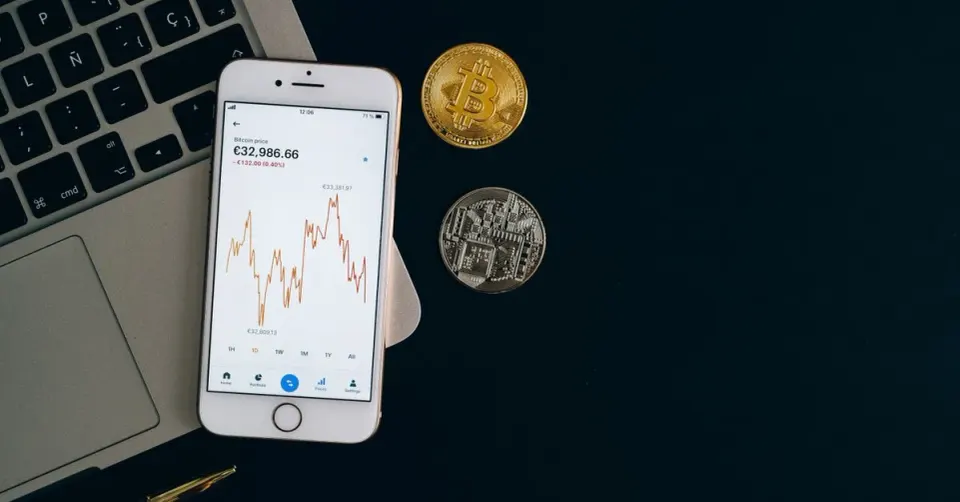
Currently, market makers are cashing in on Bitcoin’s rally above $78,000 without even betting on the direction, simply by providing liquidity. This level of institutional sophistication is something the local gold market lacks. While the price of 18k gold per gram fell from 21,868,507 to 21,755,390 Toman today, Bitcoin has remained a powerhouse of global sentiment. For an Iranian, the USDT price of 205,706 Toman acts as the bridge between these two worlds. It offers the stability of the dollar with the digital speed of crypto, yet it lacks the long-term 'inflation-proof' reputation that gold has built over five millennia. The choice today is between the 'known' history of the gold gram and the 'future' utility of the digital ledger.
The Verdict: Liquidity vs. Legacy
If we look at the 24-hour snapshot, the stagnation of the USD at 206,300 Toman suggests a market that is holding its breath. The zero percent change in both the USD and the Emami coin indicates a temporary equilibrium—a 'wait and see' approach by the big players in Tehran. Meanwhile, the slight dip in 18k gold suggests that some retail holders might be rotating into other assets, perhaps spooked by the global gold ounce price of $4,456.40, which remains historically high but increasingly volatile. In this environment, the 'legacy' investor stays with the Emami coin, trusting that the Toman’s long-term trajectory will always make gold a winner.

However, the 'liquidity' investor is looking at the Pacific Summit or the shifting legal landscapes in the UK regarding IPP sentences as signals of a world in flux. They see that Bitcoin, even at $78,000, offers a gateway to global markets that a physical coin simply cannot. The risk of gold is physical theft or government confiscation; the risk of Bitcoin is technical error or extreme volatility. As we move into the final months of 2026, the gap between these two strategies is widening. One relies on the earth’s crust; the other on the math of the stars. Neither is 'safe' in the absolute sense, but each offers a different kind of shield against the pressures of being an Iranian saver in an unpredictable world.
Concept Diagram
Frequently Asked Questions
Why is 18k gold dropping while Bitcoin is rising today?
Is it safer to keep Emami coins or USDT during geopolitical tension?
How does Iceland's EU rejection affect my investment mindset?
Understanding Inflation Hedging in Volatile Economies
In an era marked by economic uncertainty and geopolitical shifts, understanding how to protect one's wealth from the erosion of purchasing power is paramount. This challenge is particularly acute in economies experiencing high inflation, where the value of traditional currency can diminish rapidly. The concept of inflation hedging refers to an investment strategy designed to mitigate the risks of rising prices. Essentially, it involves allocating capital to assets that are expected to retain or increase their value during periods of inflation, thereby preserving the investor's real purchasing power.
Historically, physical gold has served as the quintessential inflation hedge and a "golden anchor" for many, especially in regions prone to economic instability. Its appeal stems from its intrinsic value, universal acceptance, and limited supply, which often allows it to maintain its value when fiat currencies falter. Gold is seen as a tangible asset, providing a sense of security during financial crises and geopolitical tensions, making it a popular choice in markets like Tehran where assets like the Emami coin are closely watched. Its long-standing reputation as a safe haven asset makes it a default choice for many seeking refuge from currency depreciation.
More recently, digital assets such as Bitcoin and stablecoins like USDT have emerged as potential "digital weight" alternatives, sparking a debate about their efficacy as inflation hedges. Proponents argue that Bitcoin's decentralized nature, fixed supply cap, and independence from traditional financial systems make it a compelling store of value, particularly in environments with capital controls or currency instability. Stablecoins, while pegged to fiat currencies like the US dollar, can offer a way to hold value in a more stable currency digitally, bypassing local currency depreciation and facilitating cross-border transactions.
However, the suitability of these digital assets as inflation hedges is still debated. Bitcoin's extreme price volatility can make it a risky proposition, and stablecoins are only as reliable as the reserves backing them and the regulatory environment they operate within. Ultimately, the choice between traditional anchors like gold and newer digital alternatives hinges on an individual's risk tolerance, the specific economic and geopolitical landscape, and the regulatory framework in place. Navigating this dilemma requires a nuanced understanding of each asset's characteristics and its potential role in preserving wealth against inflationary pressures.