
Gold’s 3% Surge vs. The Dollar’s Stagnation: Why Physical Assets Are Winning the 2026 Trust Gap
جهش ۳ درصدی طلا در مقابل درجاماندگی دلار: چرا در سال ۲۰۲۶ داراییهای فیزیکی برنده میدان هستند؟
While the US Dollar saw a marginal 0.5% increase today, Gold 18k surged by 3%, revealing a massive divergence in how Iranians are hedging against risk. We explore why global institutional scandals and local inflation are making physical gold the preferred vehicle over USDT.
At time of publishing
USD
223,400
Toman
Gold 18K
23.48M
Toman / gram
Bitcoin
$80,829
US Dollar
Tether
223,354.873
Toman
The market session on Thursday, September 3, 2026, has delivered a clear message to Iranian savers: the 'Dollar-peg' strategy is currently underperforming against the raw power of precious metals. As the evening session in Tehran closed, Gold 18k per gram reached 23,477,538 Toman, marking a significant 3.0% jump within 24 hours. In contrast, the USD sell rate at 223,400 Toman reflected a modest 0.5% increase. This 6x performance gap highlights a shift in market psychology where the 'safe haven' status of the Greenback is being questioned in favor of the absolute scarcity of gold.
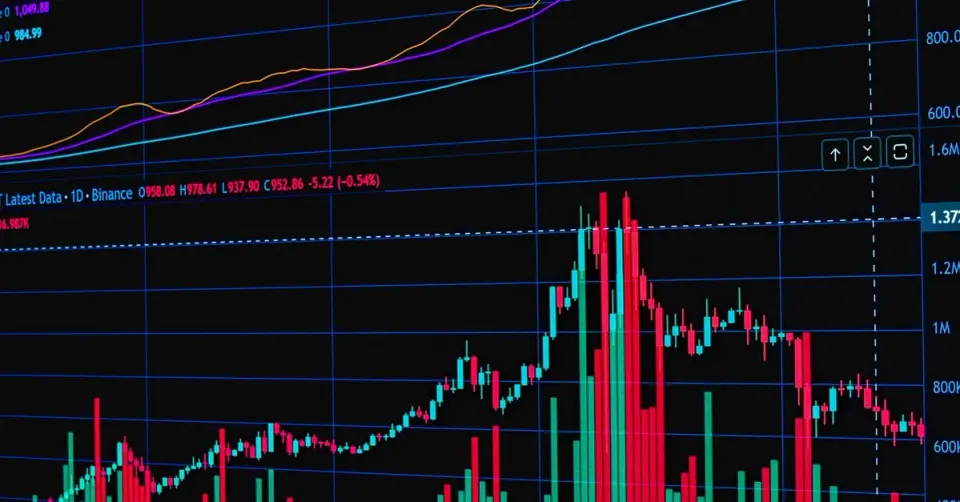
This divergence isn't happening in a vacuum. Globally, the trust in Western financial and legal institutions is facing a recursive crisis. The news of billionaire financier Leon Black failing to appear for a US House deposition regarding his ties to Jeffrey Epstein (Index 13, 15) serves as a stark reminder of the murkiness within the global elite. When even the highest levels of the US financial hierarchy are embroiled in litigation to hide non-disclosure agreements, the 'institutional trust' that backs the US Dollar begins to fray. For the Iranian reader, this translates to a simple truth: digital and paper assets are only as strong as the systems that guarantee them. Physical gold, however, carries no counterparty risk.
The USDT Trap: Liquidity vs. Performance
Many younger investors have flocked to USDT (Toman) as a modern alternative to the physical dollar. Today, USDT stands at 223,355 Toman, almost perfectly mirroring the paper dollar's performance. While USDT offers unparalleled liquidity and the ability to move into Bitcoin—which is currently testing the $80,829 resistance (Index 6)—it lacks the 'inflation-plus' growth that gold is currently providing. With the global gold ounce at a staggering $4,499.30, we are seeing a worldwide re-evaluation of value that favors hard assets over fiat-pegged tokens.
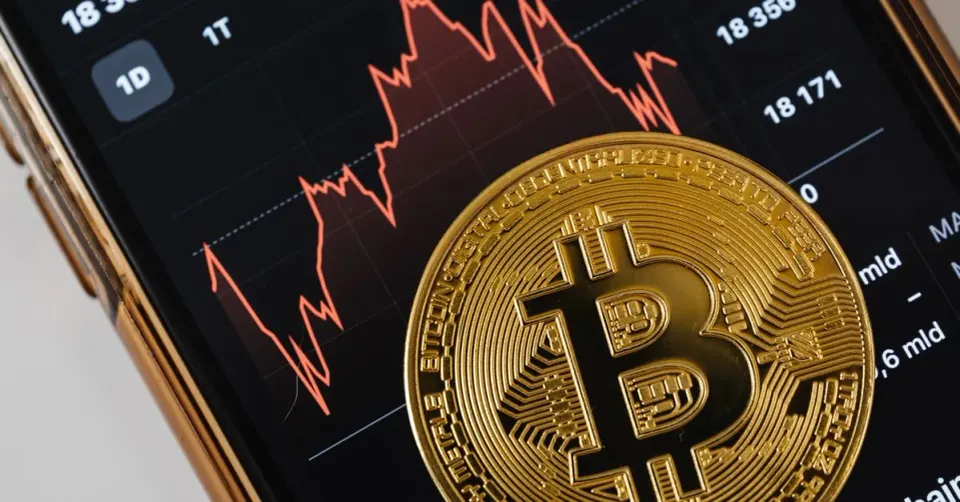
Furthermore, the geopolitical backdrop remains hostile. Comments from figures like filmmaker Martin McDonagh regarding the historical 'awful things' done by the CIA (Index 0) reflect a growing global sentiment of skepticism toward Western hegemony. This skepticism often manifests as a 'flight to gold.' In Iran, where the response to US policy is described by officials as 'asymmetric and multilayered' (Index 3), the risk of sudden currency shocks makes the 2.6% rise in Emami coins (now at 234,000,000 Toman) more attractive than the slow grind of the dollar.
2026 Strategy: Gold or Digital?
The choice between Gold 18k and Bitcoin as an inflation hedge has become the defining debate of 2026. While Bitcoin has reached historic highs above $80k, its volatility remains a barrier for those seeking a stable store of value. Gold, on the other hand, has shown it can capture both the local Toman devaluation and the global rise in commodity prices simultaneously. The fact that gold grew 3% in a single day while the dollar stayed relatively flat suggests that the market is pricing in a 'risk event' that the currency markets haven't fully absorbed yet.
Ultimately, the data from today's snapshot suggests that while the US economy might be 'powering up' according to some reports (Index 2), the Iranian reality is one of defensive positioning. Whether it is the 12 contestants on Drag Race UK (Index 10) or billionaires dodging subpoenas, the world is distracted, but the price of gold is focused. For the Iranian saver, the current 23.4 million Toman per gram price point is not just a number—it is a reflection of a world where physical certainty is becoming the most expensive luxury of all.
Concept Diagram
Frequently Asked Questions
چرا قیمت طلا در ایران ۳ درصد رشد کرد اما دلار فقط ۰.۵ درصد؟
آیا در شرایط فعلی خرید تتر بهتر است یا طلای ۱۸ عیار؟
تاثیر پروندههای قضایی میلیاردرهای آمریکایی مثل لئون بلک بر بازار ایران چیست؟
Gold as a Hedge Against Currency Depreciation and Inflation
Gold has long been prized not just for its beauty but for its unique economic properties. Unlike paper money, which can be printed at will, gold is a finite resource with a relatively stable supply, making it a natural store of value. Its price is quoted in major currencies, so when those currencies lose purchasing power, gold often rises in local terms, preserving wealth.
The most direct way gold protects against currency depreciation is through the exchange‑rate mechanism. When a nation's currency weakens—whether due to high inflation, fiscal deficits, or external shocks—the amount of foreign currency needed to buy a gram of gold climbs. In Iran, for example, the rial has lost more than 80 % of its value against the US dollar since 2020, and the price of 18‑karat gold in Tehran has surged well beyond the official exchange rate, reflecting a market‑driven trust gap.
Gold also serves as an inflation hedge. Inflation erodes the real value of cash and bonds, but the price of gold tends to move in tandem with rising consumer prices. Historical episodes such as the 1970s stagflation in the United States and the hyperinflation in Zimbabwe saw gold outperform most other assets, providing investors with a real‑return buffer.
However, gold is not a risk‑free safe haven. Its price can be volatile in the short term, it yields no cash flow, and storage costs can be significant. Investors should consider their horizon, liquidity needs, and the proportion of gold in a diversified portfolio. When used wisely, gold can be a powerful tool to mitigate the erosion of wealth caused by depreciating currencies and rising inflation.
Topics
Related Articles