
The 270,000 Toman Dollar vs. Gold’s Retreat: Why the Safe-Haven Split Matters Today
دلار ۲۷۰ هزار تومانی در مقابل عقبنشینی طلا: چرا مسیر این دو دارایی امروز جدا شد؟
While the US Dollar surged 1.4% to hit the 270,000 Toman mark today, gold prices in Iran took a breath, dropping 1%. We analyze why these traditional partners are moving in opposite directions and how the Anthropic IPO and Crimea logistics crisis are reshaping the risk landscape for Iranian savers.
At time of publishing
USD
270,000
Toman
Gold 18K
24.22M
Toman / gram
Bitcoin
$63,495
US Dollar
Tether
269,700
Toman
On Thursday, November 19, 2026, the Iranian market witnessed a rare decoupling between its two favorite hedges. The US Dollar sell rate climbed to 270,000 Toman, marking a 1.4% increase from the previous day. Simultaneously, 18k gold per gram slipped to 24,223,186 Toman, a 1.0% decline. This divergence suggests that while the Rial is under immense pressure from regional geopolitical shifts, the global gold market is experiencing a momentary cooling, leaving Iranian investors at a crossroads: do you chase the climbing greenback or buy the dip in gold?
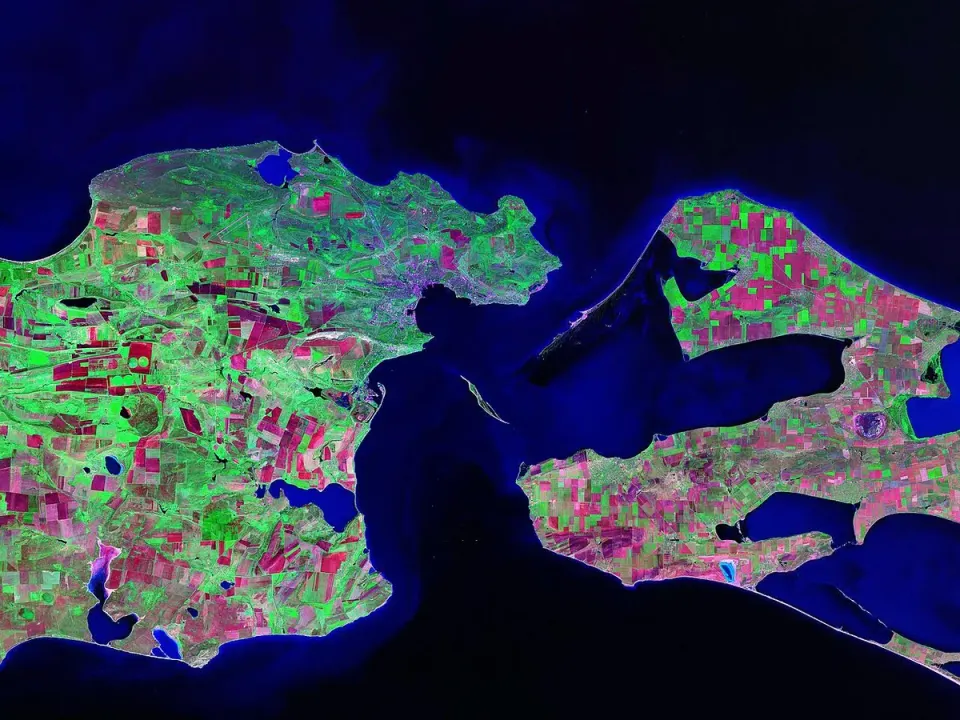
The pressure on the Rial isn't happening in a vacuum. The logistics nightmare following the Crimea Bridge collapse [4] has sent ripples through global energy and transport corridors. As 200 meters of the bridge lie wrecked in the Kerch Strait, the resulting shipping debris field has complicated Russian exports, indirectly affecting the trade balance of its regional partners, including Iran. When transport routes are compromised, the cost of importing essential goods rises, and the market instinctively prices this risk into the USD/IRR exchange rate. For the Iranian saver, the dollar isn't just a currency; it's a barometer of how difficult the next six months of trade will be.
---
Beyond the Mattress: The Tech and Crypto Alternative
While traditionalists are debating gold vs. cash, a new class of assets is demanding attention. Today, Anthropic launched the biggest IPO of all time, raising $81.3 billion [13]. This massive influx of capital into the AI sector shows that global 'smart money' is moving away from stagnant commodities and toward high-growth technology. For Iranians, this translates into a renewed interest in USDT (Tether), which currently sits at 269,700 Toman. USDT offers a unique middle ground: it captures the 1.4% rise of the dollar without the physical storage risks of cash, while providing a bridge to the high-growth potential of the crypto market where tokens like Betty [14] are launching on Ethereum.
However, the digital path isn't without its thorns. New DeFi security tools [1] and increased regulatory scrutiny in hubs like Hong Kong [2] remind us that digital assets are subject to a different kind of 'censorship' than physical gold. If you hold physical 18k gold, no one can 'block' your transaction, but you suffer from the current 1% price drop and the lower liquidity compared to a digital stablecoin. The liquidity of Emami coins, currently priced at 250,000,000 Toman, remains high, but the 0.4% slight decline today shows that even the most prestigious coins aren't immune to the current market hesitation.

---
The Geopolitical Mirage and the 2025 Outlook
Many expected the Shenzhen Summit between Trump, Xi, and Putin [3, 8] to provide a 'peace dividend' that would strengthen the Rial. Instead, the summit ended with symbolic gestures and no concrete ceasefire in Ukraine [8, 10]. This lack of diplomatic breakthrough has left the market feeling exposed. In the UK, political infighting over Margaret Thatcher's legacy [9] serves as a reminder that even established western economies are facing internal identity crises. For an Iranian looking at 2027, this means that neither the Pound (355,000 Toman) nor the Euro (296,850 Toman) are the 'safe' bets they once were.
As we look toward the end of the year, the choice between gold and the dollar comes down to your timeframe. Gold's 1% dip today might be a discount for those who believe that the 3,705 USD per ounce global price will eventually pull the local market higher. Conversely, the dollar's steady climb to 270,000 Toman reflects a reality where the Rial's purchasing power is being eroded by logistics crises and a lack of diplomatic progress. Whether you choose the physical weight of an Emami coin or the digital speed of USDT, the lesson of November 19, 2026, is clear: the risk premium in Iran is no longer just about sanctions; it's about being on the right side of a global technological and logistical shift.

Concept Diagram
Frequently Asked Questions
Why is the Dollar rising while Gold is falling in Iran today?
Is USDT a better investment than physical USD at 270,000 Toman?
How does the Crimea bridge collapse affect the price of the Dollar in Tehran?
Which is more liquid: Emami Coin or 18k Gold per gram?
Parallel (Official vs Black‑Market) Exchange Rates – Why Iran Has Two Dollar Prices
In many countries with strict capital controls, the government publishes an official exchange rate for the national currency, but market participants also trade the currency on a parallel or black‑market. Iran is a classic example: the Central Bank of Iran sets an official rate for the rial (or toman, which is simply 10 rials), while a free‑market rate emerges from supply‑and‑demand dynamics in Tehran’s currency bazaars. The two rates can diverge dramatically, sometimes by several hundred percent, reflecting differences in liquidity, risk perception, and access to foreign currency.
The split matters because it determines the real cost of imports, the price of foreign‑denominated assets, and the attractiveness of alternative safe‑haven stores of value such as gold or stablecoins. When the official rate is artificially strong, importers may struggle to obtain dollars at the market price, leading to shortages and higher prices for goods. Conversely, a weak black‑market rate makes gold – priced in dollars – appear cheaper in rial terms, prompting investors to shift wealth into gold, 18‑karat jewelry, or even USDT, a dollar‑pegged stablecoin, to preserve purchasing power.
Understanding the mechanics behind parallel rates also clarifies why macro‑events – like the Crimea bridge logistics crisis or an IPO such as Anthropic’s – can ripple through Iran’s currency market. Any shock that tightens the supply of hard currency (e.g., sanctions‑related shipping bottlenecks) pushes the black‑market rate higher, while large inflows (e.g., foreign investment from the Shenzhen summit) can compress the gap. Policymakers therefore monitor the spread as a barometer of economic stress and as a guide for adjusting monetary policy or foreign‑exchange interventions.
For everyday Iranians, the split influences everyday decisions: whether to pay for a car in dollars, buy gold as a hedge, or hold USDT in a digital wallet. For analysts, the dual‑rate system provides a more nuanced picture of inflation expectations, capital flight, and the true valuation of the rial beyond the official figure. Recognising the existence and drivers of parallel exchange rates is essential for anyone trying to make sense of Iran’s financial landscape in 2026.