
Gold’s 1.9% Slide vs. the Dollar’s Resilience: Deciphering the Toman’s New Power Dynamics
ریزش ۱.۹ درصدی طلا در برابر مقاومت دلار؛ رمزگشایی از قدرت جدید تومان در بازار تهران
As gold prices in Tehran see a sharp correction today, the US Dollar remains relatively steady, creating a strategic dilemma for local savers. We analyze why the 'safe haven' of gold is currently more volatile than the greenback and how global supply shocks are shifting the narrative.
At time of publishing
USD
235,500
Toman
Gold 18K
23.96M
Toman / gram
Bitcoin
$77,449
US Dollar
Tether
234,869
Toman
The Great Correction: Gold’s Sudden Retreat
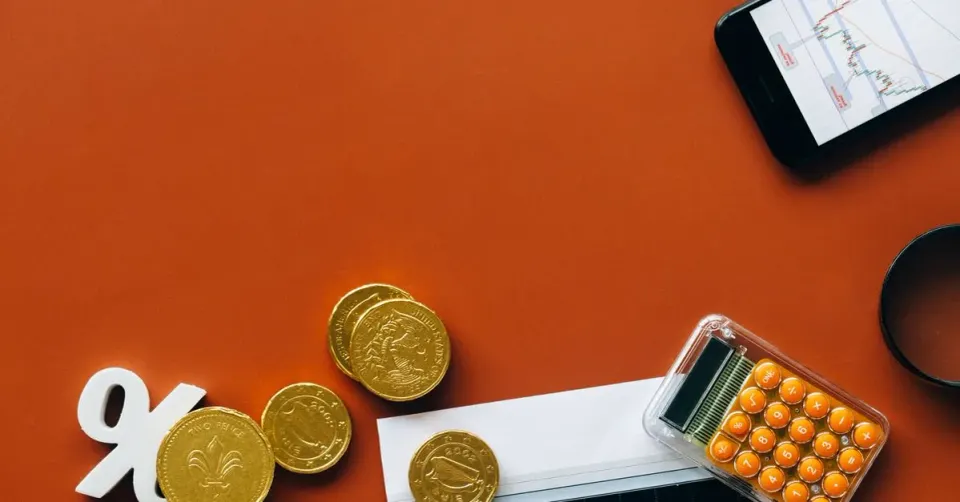
Saturday evening in Tehran brought a cold shower for gold bugs. While the global gold ounce remains near historic highs at $4,349.70, the local market experienced a significant disconnect. Gold 18k per gram plummeted by 1.9%, falling from over 24.4 million to 23,955,399 Toman. In contrast, the US Dollar showed much more resilience, slipping only 0.8% to 235,500 Toman. This divergence suggests that the 'bubble' in the local gold market—driven by months of panic buying—is finally starting to hiss as liquidity dries up or moves toward other assets.
For the Iranian saver, this 1.9% drop in gold is a reminder that 'intrinsic value' does not protect you from local market sentiment. When everyone rushes into the same trade, the exit becomes narrow. Emami coins also felt the heat, dropping 0.6% to 239,500,000 Toman. This suggests that the physical coin market is holding its value slightly better than melted gold, likely due to the psychological anchor of the coin's face value, yet the trend remains downward as the market recalibrates after a period of extreme overheating.
Global Volatility and the Brand Value Metaphor
To understand why markets shift, we often look for metaphors in global news. Today, the Nashville airport board unanimously approved renaming their facility after the late Dolly Parton. While seemingly unrelated, it highlights the power of 'brand equity.' In the financial world, the US Dollar remains the ultimate 'Dolly Parton'—a brand so globally recognized and trusted that it survives even when its underlying fundamentals are shaky. Gold, while ancient, often lacks this modern institutional backing in times of rapid liquidity shifts. When the 'shine' is back in other sectors—much like Starbucks CEO Brian Niccol recently claimed about his company's stock—investors tend to rotate out of stagnant hedges like gold.
However, the risks are not just in price, but in the infrastructure of wealth. The recent derailment of a passenger train in Normandy, France, which left 44 injured, serves as a grim metaphor for financial systems: even the most established tracks can fail. Whether it is the physical delivery of gold or the digital transfer of USDT, the 'rails' matter. For Iranians using USDT as a dollar-proxy (currently trading at 234,869 Toman), the risk is less about the price and more about the security of the exchange. As we saw with the recent extradition of six individuals involved in a $6 million romance scam, the digital world is rife with actors looking to exploit the desperate search for financial safety.

Inflation Hedges in a World of Scarcity
Looking ahead to 2025 and 2026, the question isn't just about currency, but about supply. In Washington state, the cherry crop is down 23%, a massive supply shock that forces prices up regardless of what the Federal Reserve does. This is 'real' inflation. For an Iranian reader, this mirrors the local reality where the price of goods often rises faster than the price of the dollar itself. In such an environment, Bitcoin (BTC) is increasingly being viewed as the 'digital cherry'—a strictly finite asset. With BTC currently at $77,449, it has outperformed both gold and the dollar in terms of year-to-date growth, though its volatility remains a barrier for the faint of heart.
Ultimately, the choice between gold, USD, and crypto in Tehran depends on your 'time to exit.' If you need liquidity next week, the dollar's 0.8% dip is manageable. If you are hedging for a decade, gold's 1.9% daily volatility is noise. But as global supply chains buckle and even the most stable nations face infrastructure and security challenges, the most valuable asset might not be the one in your safe, but the one you can move across borders without a physical suitcase. The market today told us one thing clearly: the era of 'buying gold and forgetting about it' is being challenged by a more dynamic, and often more dangerous, digital reality.

Concept Diagram
Frequently Asked Questions
Why did gold fall more than the dollar in Tehran today?
Is USDT a safer bet than physical gold right now?
How does the global cherry crop shortage affect my savings in Iran?
Gold as a Hedge Against Currency Devaluation and Inflation
In times of economic uncertainty and currency instability, gold has historically served as a crucial "safe haven" asset. This means that when a nation's currency begins to lose its purchasing power due to high inflation or government policies, individuals often turn to gold to preserve their wealth. Unlike fiat currencies, which are backed by the trust in a government, gold holds intrinsic value and is universally accepted, making it less susceptible to the specific economic woes of any single country. Its limited supply further reinforces its role as a stable store of value.
The dynamic between a local currency, such as the Iranian Toman, and international assets like gold or the U.S. Dollar, becomes particularly pronounced in economies facing significant inflationary pressures or sanctions. When the Toman's value depreciates rapidly against major foreign currencies, the cost of imported goods rises, and the purchasing power of savings held in Toman erodes. In such scenarios, assets priced in or pegged to stronger currencies (like the dollar) or commodities with global value (like gold) become highly attractive. This drives up the local price of gold and foreign currency, not necessarily because their international value has soared, but because the local currency's value has fallen.
Local gold markets, like those in Tehran, often reflect these broader economic anxieties. The price of various gold forms, such as Emami coins or 18-karat gold, is influenced by two main factors: the international price of gold (typically quoted in USD) and the prevailing exchange rate of the local currency against the dollar. If the Toman weakens significantly against the dollar in the unofficial or parallel market, even if the international gold price remains stable or slightly declines, the local Toman price of gold will likely increase. This makes gold a de facto hedge against local currency devaluation, protecting wealth from inflation.
Understanding this relationship is vital for anyone observing markets in countries experiencing currency volatility. The resilience of the dollar or the slide in international gold prices needs to be interpreted through the lens of local currency dynamics. For many, investing in gold or foreign currency isn't about speculative gains, but about a fundamental need to protect their savings from the corrosive effects of inflation and the uncertainty surrounding their national currency's future value. This explains why assets like gold (and increasingly, stablecoins like USDT or cryptocurrencies like Bitcoin in some contexts) become critical components of personal and national economic survival strategies.
Topics
Related Articles