Toman Under Fire: USD Hits 233,700 as Global Sanctions Shifts and Oil Port Strikes Fuel Volatility
تومان زیر فشار؛ صعود دلار به ۲۳۳,۷۰۰ در میان تغییر سیاستهای تحریمی و حملات نفتی
The Iranian Toman has plummeted 2% in 24 hours as USD climbs to 233,700, driven by a volatile mix of UK political shifts regarding Israeli sanctions and fresh strikes on Russian oil infrastructure. While gold and Emami coins surge on safe-haven demand, the global tech sector sees massive M&A activity that complicates the broader market outlook.
At time of publishing
USD
233,700
Toman
Gold 18K
24.25M
Toman / gram
Bitcoin
$78,949
US Dollar
Tether
232,095
Toman
Key figures
US Dollar
233,700
Iranian Toman
↑ 2.01% todayBitcoin
$78,949
US Dollar
The Market Reality: Numbers Don't Lie
The Iranian market is currently navigating a perfect storm of geopolitical escalation and shifting global trade norms. As of this evening, the data shows a clear trend of capital fleeing the local currency. The USD/IRR pair has risen from 229,100 to 233,700 in just 24 hours, marking a significant 2.0% depreciation for the Toman. This isn't an isolated move; the precious metals sector is reflecting even higher anxiety. Gold 18k/gram jumped 2.5% to reach 24,250,888 Toman, while the Emami coin led the charge with a 3.0% increase, now trading at 242,000,000 Toman.
This synchronized rise in foreign exchange and gold suggests that the market is pricing in a 'risk-on' environment for assets that offer protection against regional instability. When the Toman drops while gold outpaces the dollar's growth, it typically indicates that local investors are not just buying dollars for trade, but are actively seeking the ultimate insurance policy—gold—against potential domestic or regional shocks.
The Bullish Case for Risk: Why Prices Are Climbing
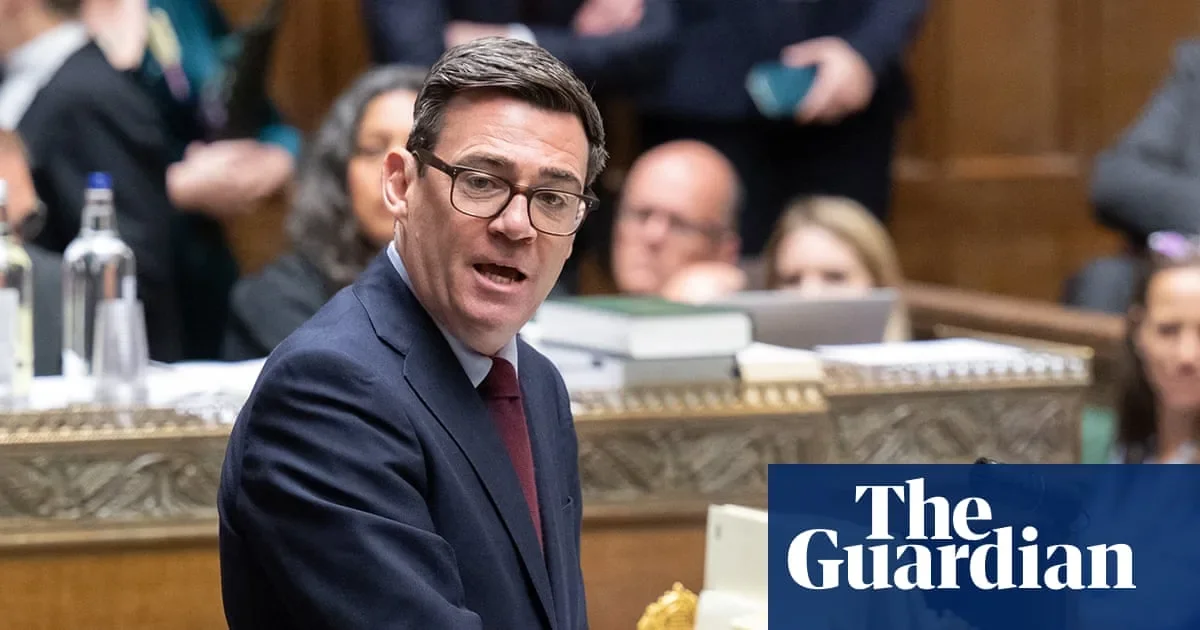
The primary driver for the current rally in USD and Gold is the intensifying geopolitical friction. In the UK, a significant shift is occurring as politicians like Andy Burnham now view sanctions against Israeli settlements as an "electoral asset" rather than a liability. This signals a hardening of Western trade stances that could lead to broader regional economic friction. When major economies begin using trade bans and sanctions as domestic political tools, it creates a ripple effect of uncertainty across the Middle East, naturally driving up the price of the USD in Tehran as a hedge against shifting alliances.
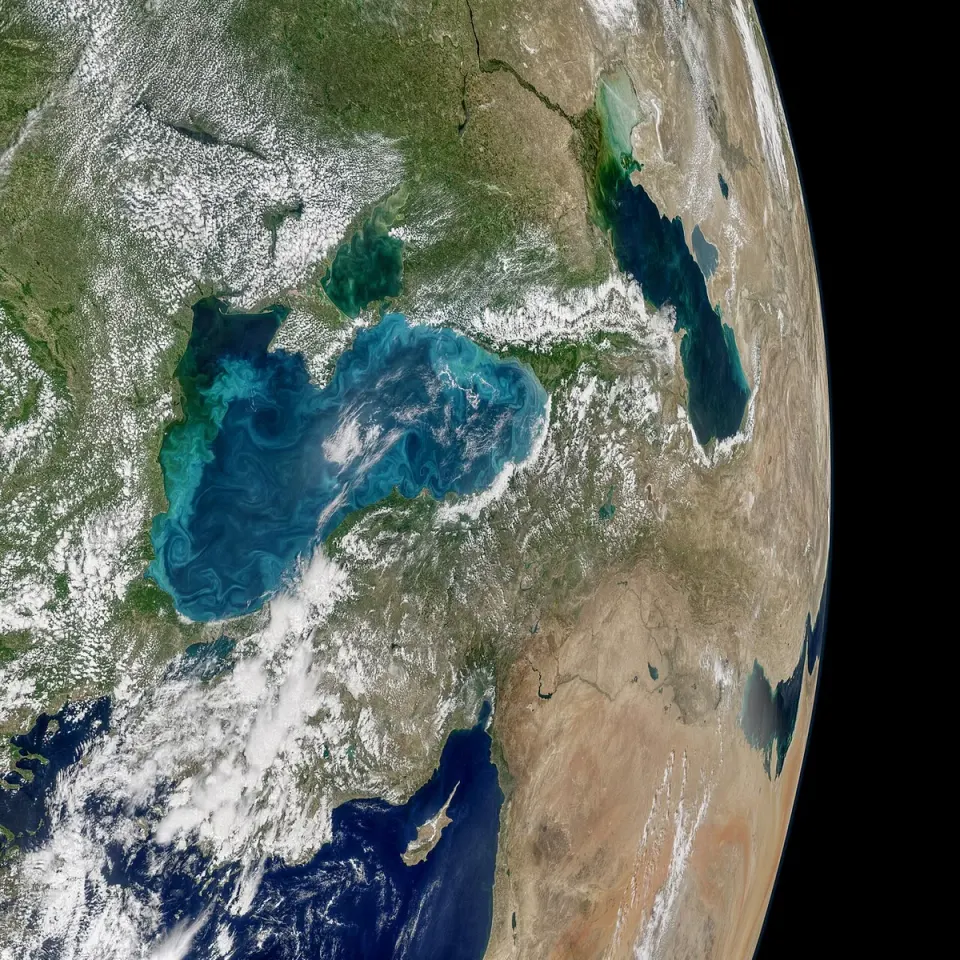
Simultaneously, the energy market has received a massive jolt. Ukraine’s drone strikes on Novorossiysk, Russia’s key Black Sea oil terminal, have reportedly killed four people and ignited fuel facilities. This direct hit on global energy infrastructure exerts upward pressure on oil prices, which historically correlates with increased volatility in the Iranian market. While higher oil prices theoretically benefit the state's coffers, the 'war premium' often outweighs the revenue benefits in the eyes of private traders, leading to the 2% jump we see in the USD today.
The Bearish Case: Factors That Could Cool the Fever
Despite the current heat, there are counter-currents that could stabilize the Toman or at least slow the dollar's ascent. Global markets are not entirely focused on conflict; there is significant institutional confidence in the tech sector. For instance, Analog Devices just announced a $1.35 billion acquisition of Alif Semiconductor, a move that signals long-term capital is still willing to move into high-growth areas. If global tech sentiment remains robust—bolstered by predictions that Nvidia investments could triple in five years—some of the speculative pressure might move away from commodities and back into global equities.
Furthermore, Bitcoin's recovery to $79,400, while limited by Fed pressures, suggests that global liquidity is still looking for 'digital gold' alternatives. If the US Federal Reserve maintains a hawkish stance on interest rates, as warned by analysts like Jim Cramer, the resulting global dollar strength might actually dampen the 'local' speculative bubble in Tehran by making global dollar-denominated assets more attractive elsewhere, potentially leading to a period of consolidation for the Toman if regional tensions do not escalate further.
Nuanced View: The Interplay of War and Wealth
In my opinion, we are witnessing a transition from 'routine' volatility to a structurally higher risk environment. The fact that the Emami coin rose 3% while the dollar rose 2% is the smoking gun; it tells us that the fear of regional escalation is currently more potent than the fear of simple inflation. The strike on the Novorossiysk port is a game-changer because it proves that energy infrastructure—the lifeblood of the region—remains a primary target.

However, one must be cautious about chasing these highs. While the geopolitical trend is currently bullish for USD/IRR, any sign of de-escalation or a surprise shift in the Fed's rate policy could lead to a sharp 'bull trap' for those buying gold at these record levels. The market is currently driven by headlines, not just fundamentals. Therefore, while the 24-hour data shows a clear upward trajectory, the sustainability of this move depends entirely on whether the 'sanctions talk' in the UK and the 'drone war' in the Black Sea translate into actual, long-term trade disruptions. This is an analysis of market trends, not financial advice; the road ahead remains shrouded in the smoke of regional conflict.
Watch
Is Andy Burnham talking about the right stuff?
Sky News
Frequently Asked Questions
چرا قیمت سکه سریعتر از دلار رشد کرده است؟
تأثیر حمله به بندر نووروسیسک بر بازار ایران چیست؟
آیا تحریمهای بریتانیا مستقیماً بر تومان اثر دارد؟
Economic Sanctions and Currency Devaluation
Economic sanctions are a powerful tool of foreign policy, employed by countries or international bodies to pressure a target nation into changing its behavior. These measures typically involve restricting trade, financial transactions, and access to international markets. The primary goal is to inflict economic pain, thereby compelling the targeted government to comply with specific demands, whether related to human rights, nuclear proliferation, or regional stability. By limiting a country's ability to engage with the global economy, sanctions aim to disrupt its revenue streams and financial stability.
One of the most immediate and significant impacts of comprehensive economic sanctions is on a nation's currency. Sanctions severely curtail a country's export capabilities, especially for key commodities like oil, which are often major sources of foreign exchange earnings. Simultaneously, they make it exceedingly difficult for the sanctioned country to attract foreign investment or access international lending, further choking off the supply of foreign currency within its borders. This artificial scarcity of hard currencies, such as the U.S. dollar, creates a significant imbalance between supply and demand.
As foreign currency becomes scarce, its value inevitably rises against the local currency, leading to a phenomenon known as currency devaluation. This means that more units of the local currency are required to purchase one unit of a foreign currency. The devaluation has cascading effects: it makes imported goods and raw materials significantly more expensive, directly fueling inflation. Citizens' purchasing power erosions, and their savings diminish in value. In response, people often lose confidence in the local currency and seek safer stores of value, such as gold, other precious metals, or stable foreign currencies, which can further accelerate the devaluation cycle and exacerbate market volatility.