The Vault vs. The Wallet: Why Gold and USDT are Diverging in the Face of Geopolitical Rhetoric
گاوصندوق یا کیف پول دیجیتال؛ تقابل طلا و تتر در سایه لفاظیهای نظامی
As IRGC officials question the financial cost of US deployments, Iranian investors face a choice between the physical security of gold and the digital agility of USDT. We analyze which asset offers better protection as the 'October Effect' and regional tensions reshape the market.
At time of publishing
USD
268,100
Toman
Gold 18K
26.27M
Toman / gram
Bitcoin
$85,281
US Dollar
Tether
267,552
Toman
The Rhetoric of War and the Cost of Capital
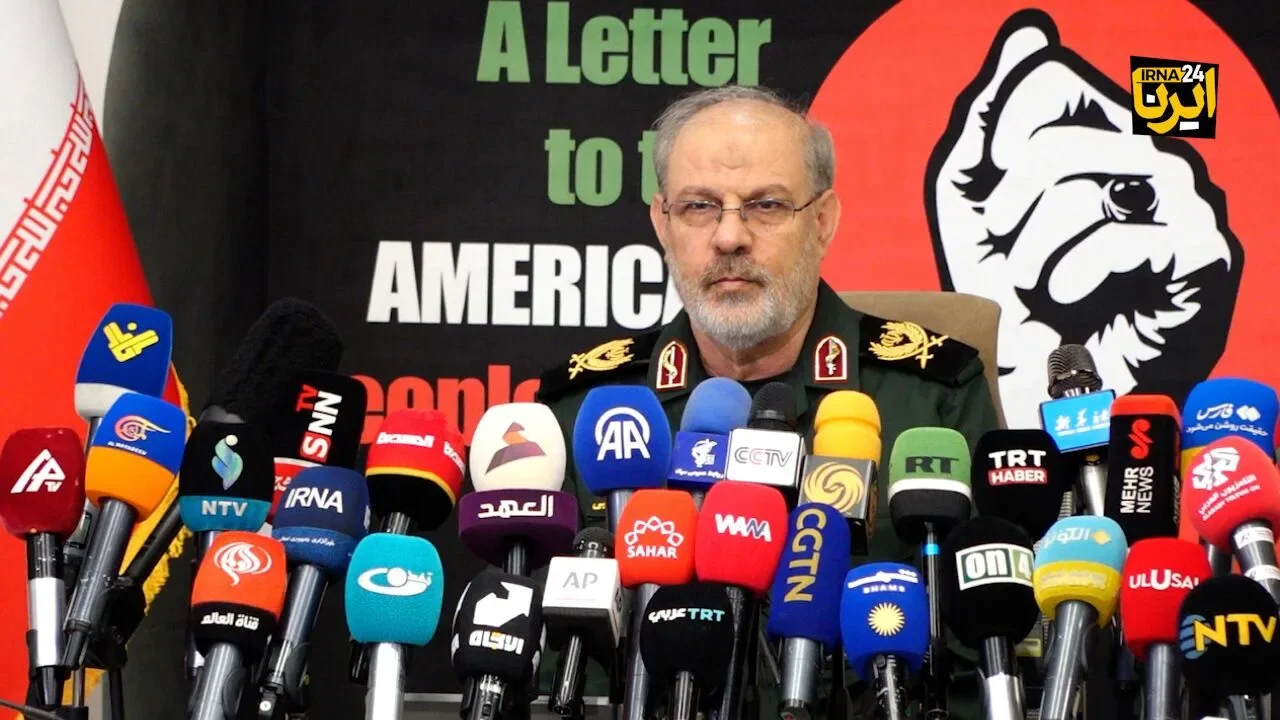
The air in Tehran is thick with more than just autumn haze this Sunday, October 4, 2026. As the IRGC spokesperson publicly questioned whether the US government is waging war on Iran or its own taxpayers by deploying more forces to the region, the market felt the immediate chill of geopolitical posturing. This isn't just about military strategy; it’s about the cost of capital and the price of safety. When the 'cost of war' becomes a headline, the Iranian saver reflexively looks for a place to hide their purchasing power. Today, that search led to a slight divergence: Gold 18k climbed 0.2% to 26,266,217 Toman, while the Emami coin actually retreated by 1.1% to 271,000,000 Toman.
This discrepancy highlights a critical lesson in liquidity and market psychology. While the global gold ounce sits at a staggering $4,141.80, the local 'bubble' in coins is deflating even as the raw metal value holds steady. The IRGC's claims about the high costs of US deployments serve as a reminder that regional stability is a fragile currency. For the average reader, the question isn't who wins a hypothetical conflict, but which asset survives the volatility that precedes it. If the rhetoric escalates, physical gold remains the ultimate 'doomsday' insurance, but as we saw today, its local premium can be fickle.
---
The Paradox of Global Optimism and Local Anxiety
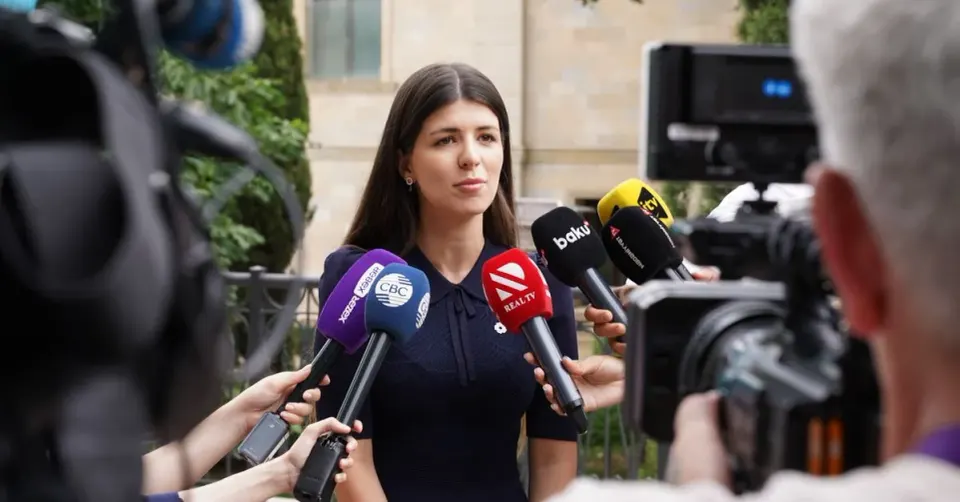
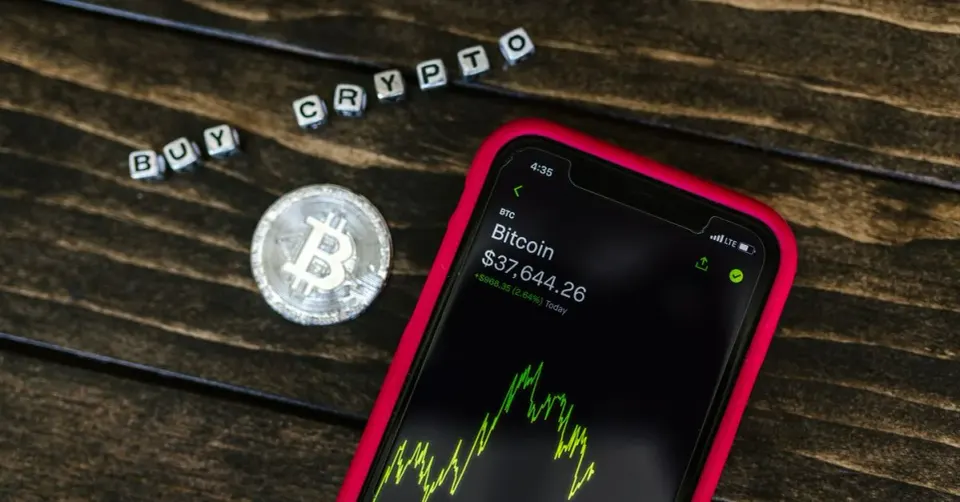
While the domestic narrative is dominated by talk of war and sanctions, a strange phenomenon is occurring across the ocean. Corporate America has reportedly never been more upbeat about future profits, with earnings season kicking off under a cloud of extreme optimism. This contrast is jarring for the Iranian investor. On one hand, you have a global market that is 'upbeat' and pushing assets like Bitcoin to $85,281; on the other, you have a local economy where the USD sell rate sits at 268,100 Toman, reflecting a state of permanent high-alert.
This global optimism fuels the 'Digital Gold' narrative. USDT (Tether) is currently trading at 267,552 Toman, slightly below the physical dollar rate. For many, the choice to hold USDT instead of physical gold is a bet on the 'speed' of the modern economy. Just as Max Verstappen dominated the Bahrain Grand Prix with technical precision and speed, the modern investor uses USDT to exit or enter positions in seconds. In a market where a single drone strike or a diplomatic statement can swing prices by 5% in an hour, the 'backlog' of physical trade—much like the backlog in the UK court system—becomes a liability. Liquidity is not just about having money; it’s about having it where you need it, when you need it.

---
Resetting the Portfolio: Migration of Value
We are seeing a 'reset' in how Iranians view savings, similar to the policy debates in Australia and Canada regarding migration and economic standards. Just as those nations are weighing whether a 'reset' is necessary to maintain living standards, Iranian households are resetting their portfolios away from stagnant assets. The choice between a 271-million-Toman Emami coin and a digital wallet full of USDT or Bitcoin is a choice between two different types of risk. Gold protects you against the total collapse of digital infrastructure, but it carries the risk of physical theft and the 'bubble' of the local coin market.
USDT, meanwhile, offers a bridge to the global 'upbeat' corporate sentiment. It allows an investor in Tehran to essentially hold a digital version of the currency that fuels the very US corporations currently boasting about record profits. However, the risk of centralized freezes or regulatory shifts—like the stalled Clarity Act in the US—remains a shadow over the crypto space. Ultimately, as of ۱۲ مهر ۱۴۰۵, the market is telling us that there is no single 'safe' haven. The 1.1% drop in Emami coin despite rising tensions suggests that even the most traditional hedges can fail to meet expectations when the local premium is too high. Diversification isn't just a strategy; in the current climate, it's a survival mechanism.
Concept Diagram
Frequently Asked Questions
Why did Emami coin price drop while gold 18k rose today?
Is USDT safer than physical gold during military tensions?
How do IRGC statements affect the price of the dollar in Tehran?
Stablecoins vs. Gold: Why USDT and Gold React Differently to Geopolitical Turmoil
When investors face geopolitical uncertainty—such as sanctions on Iran or heightened rhetoric between the US and the IRGC—they often turn to assets that can preserve value. Gold has been the classic safe‑haven for centuries because it is a physical commodity with intrinsic scarcity, not tied to any single nation's monetary policy. Its price tends to rise when confidence in fiat currencies erodes, as seen during periods of Iranian rial volatility or global oil‑price shocks.
USDT (Tether), on the other hand, is a stablecoin: a digital token that claims to be backed 1‑to‑1 by US dollars held in reserve. Its primary purpose is to provide a stable medium of exchange on blockchain platforms, allowing traders to move in and out of volatile cryptocurrencies without converting back to fiat. Because its value is pegged to the dollar, USDT reacts to changes in the dollar’s strength, not directly to geopolitical risk. When sanctions make it harder to access dollars, demand for USDT can spike, but its price remains anchored to the dollar, creating a divergence from gold’s price movements.
The divergence becomes stark in economies with hyper‑inflation or severe currency controls, such as Iran. The Iranian rial has experienced dramatic devaluation, prompting citizens and businesses to seek alternatives for preserving wealth. Gold can be bought in local markets (e.g., 18k gold priced in tomans) and stored physically, while USDT offers a digital, border‑less store of value that can be transferred instantly, albeit still reliant on the underlying dollar reserves. This duality explains why the “vault” (gold) and the “wallet” (USDT) can move in opposite directions under the same geopolitical pressures.
Understanding this split helps investors and policymakers grasp the broader shift in monetary sovereignty: traditional assets like gold safeguard against systemic risk, while stablecoins provide liquidity and accessibility in a digitized financial system. As sanctions intensify and digital finance expands, the relationship between these two safe‑haven strategies will continue to evolve, offering both opportunities and regulatory challenges.