
The 268k Toman Threshold: Why the 'Digital Dollar' is Winning the Race Against Physical Cash
مرز ۲۶۸ هزار تومانی دلار؛ چرا «دلار دیجیتال» در مسابقه با اسکناس پیروز شده است؟
As the US Dollar breaks the 268,000 Toman mark, Iranian savers face a dilemma: the safety of physical cash or the liquidity of USDT. We analyze how US political volatility and rising yields are reshaping the risks of holding greenbacks in any form.
At time of publishing
USD
268,000
Toman
Gold 18K
26.29M
Toman / gram
Bitcoin
$82,628
US Dollar
Tether
267,945
Toman
The 268,000 Toman Reality and the Digital Shift
On this Thursday, October 8, 2026, the Iranian currency market has hit a significant psychological and economic milestone. The US Dollar sell rate reached 268,000 Toman, marking a 0.8% increase in just 24 hours. While a sub-one-percent move might seem minor in a volatile economy, the proximity of the 'digital dollar' (USDT) at 267,945 Toman reveals a profound shift in market behavior. The spread between physical banknotes and digital tokens has narrowed to almost nothing, suggesting that for the modern Iranian saver, the convenience of instant liquidity now outweighs the traditional security of holding paper bills under a mattress.
This shift is occurring against a backdrop of global economic anxiety. While the Toman loses ground, the US Dollar itself is navigating a period of internal institutional friction. The latest headlines from Washington report that Donald Trump’s attempt to ban major media outlets like CNN and Politico from the White House is heading to a federal court. This isn't just a story about press freedom; for global markets, it signals a level of institutional instability that challenges the 'safe haven' status of the greenback. When the very foundations of the issuing country’s governance are in a state of legal and political combat, the long-term reliability of the currency comes under a different kind of scrutiny.

---
Global Yields and the Cost of Survival
Beyond politics, the mechanics of the global market are applying pressure on all asset classes. We are currently seeing rising Treasury yields in the US, which are quietly 'crashing' the winners of early 2026. High yields typically strengthen the dollar against other currencies, but they also signal that the cost of borrowing is becoming prohibitive. This global 'affordability crisis' is mirrored in recent reports showing that the cost of raising children has jumped 60% in just eight years. Whether it is a widow in the US questioning her retirement safety or an Iranian family trying to hedge against a 268k Toman dollar, the core struggle is the same: the rapid erosion of purchasing power.
In Iran, this pressure is amplified. The Emami coin has hit 270 million Toman, rising 0.6% today, while 18k gold remains relatively flat at 26.29 million Toman per gram. The choice for investors is no longer just about 'buying gold' but about which form of gold offers the best exit strategy. The Emami coin remains the king of liquidity in the local market, but its high premium makes it a risky bet if the global gold price—currently at a staggering $4,122 per ounce—decides to correct. The 'bubble' in coin prices is a direct reflection of the desperation to find a lifeboat as the Toman continues its descent.
---
The New Risks: AI and Physical Volatility
As savers move toward digital solutions like USDT to avoid the 268k Toman physical rate, new risks are emerging. Analysts have recently warned that over 6 million Bitcoin are sitting behind exposed public keys, making them vulnerable as AI-driven hacking tools become more sophisticated. This introduces a paradox: while USDT protects you from the physical theft or degradation of banknotes, it exposes you to the 'invisible' threat of technological compromise. In a world where even the Atlantic is producing its first hurricane of the season with Isaias threatening the US Gulf Coast, the concept of a 'safe' location for wealth is becoming obsolete.
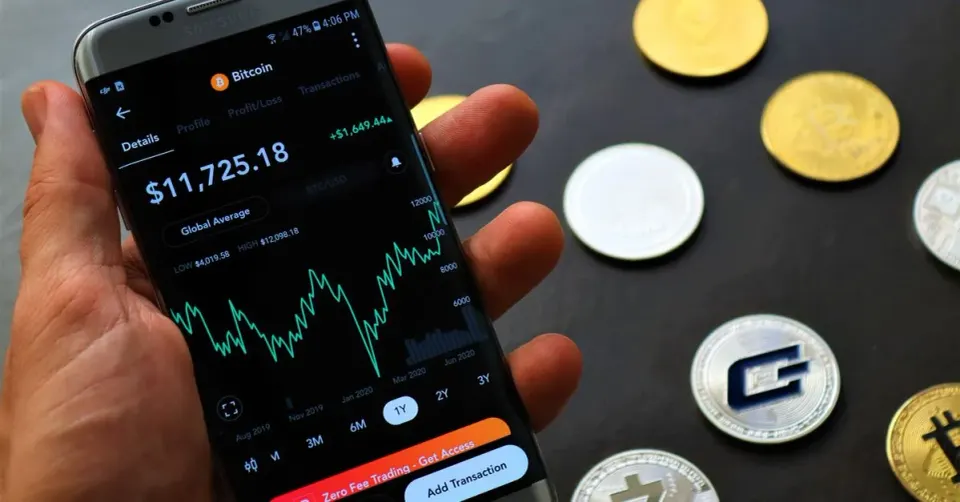
Ultimately, the choice between physical USD and USDT in Iran today comes down to your time horizon and your fear profile. Physical dollars are immune to hackers but vulnerable to local legislation and physical loss. USDT offers global mobility and instant conversion to other assets like Bitcoin—which is currently trading at $82,628—but requires a high degree of digital literacy to secure. As we look toward the final months of 2026, the 'affordability crisis' is not just a headline; it is a lived reality that demands a multi-layered approach to wealth preservation.
Concept Diagram
Frequently Asked Questions
چرا قیمت تتر و دلار کاغذی امروز تقریباً برابر شده است؟
آیا تنشهای سیاسی ترامپ با رسانهها بر قیمت دلار در ایران اثر دارد؟
ریسک هوش مصنوعی برای داراییهای دیجیتال چقدر جدی است؟
Understanding Stablecoins: How USDT Enables a Digital Dollar in Sanctioned Economies
Stablecoins are a class of cryptocurrencies designed to maintain a stable value by being pegged to a fiat currency, a commodity, or an algorithmic basket. The most widely used example is USDT (Tether), which claims a 1:1 backing with the U.S. dollar. Unlike Bitcoin, whose price can swing wildly, a stablecoin aims to stay within a narrow band around its reference asset, making it suitable for everyday transactions, remittances, and as a store of value.
In economies under heavy sanctions, such as Iran, the official exchange rate of the rial or toman can diverge dramatically from market rates, and access to foreign currency is tightly controlled. Stablecoins provide a quasi‑off‑shore dollar that can be moved instantly over the internet without needing a traditional bank. Users can purchase USDT on global exchanges, then trade it on local peer‑to‑peer platforms for Iranian crypto tokens or even convert it to cash at a market‑determined rate, effectively bypassing official devaluation mechanisms.
This digital dollar effect reshapes the cash‑versus‑crypto battle. Because USDT is liquid and widely accepted, merchants can price goods in “digital dollars” while still receiving local currency, and consumers can hedge against the rapid erosion of the toman’s purchasing power. The ease of moving large sums digitally also reduces the demand for physical cash, which is costly to produce and easier for authorities to monitor.
However, stablecoins are not without risk. Their peg relies on the issuer’s reserves, which are not always transparent, and regulators in many jurisdictions are still figuring out how to supervise them. In Iran, the lack of clear legal status means users face potential crackdowns, and sudden market freezes can occur if exchanges are blocked. Understanding both the utility and the vulnerabilities of stablecoins is essential for anyone navigating a sanctions‑hit financial landscape.