
The USDT Premium vs. Gold’s Stability: Why Digital Dollars Are Costing Iranians More in October 2026
حباب تتر در مقابل ثبات طلا؛ چرا در ۲۵ مهر دلار دیجیتال برای ایرانیها گرانتر تمام میشود؟
As the Toman shows a rare 0.9% recovery against the dollar, a strange gap has opened between physical cash and USDT. We analyze why gold remains the 'quiet winner' while geopolitical shifts from Washington to the Strait of Hormuz reshape the risk for 2027.
At time of publishing
USD
262,600
Toman
Gold 18K
26.19M
Toman / gram
Bitcoin
$81,503
US Dollar
Tether
263,622
Toman
The Iranian market on Saturday, October 17, 2026 (25 Mehr 1405), presents a fascinating paradox for the local saver. While the US dollar sell rate dipped 0.9% to 262,600 Toman, Tether (USDT) continues to trade at a significant premium, sitting at 263,622 Toman. This gap of over 1,000 Toman per dollar reflects a growing trend: the 'digital exit' is becoming more expensive than the physical one. As global markets react to Donald Trump’s decision to pause Russia sanctions, the ripple effects are being felt in Tehran’s exchange shops and crypto wallets alike.
Donald Trump’s recent policy shift regarding Russia has sent shockwaves through the geopolitical landscape. By rolling back sanctions, the US administration is signaling a pivot that Ukrainian President Volodymyr Zelenskyy warns will only intensify the conflict. For the Iranian investor, this isn't just a headline—it's a signal of shifting global liquidity. When sanctions are waived, the traditional 'sanction-hedge' assets like Bitcoin and Gold face new volatility. Bitcoin itself is struggling to break past the $81,500 mark as ETF outflows weigh heavily on sentiment, suggesting that even the most bullish institutional players are taking a breath.
---
The Liquidity Trap: Emami Coin vs. 18k Gold
If we look at the internal Iranian market, the most striking movement today is the 1.3% drop in the Emami gold coin, which fell from 270 million to 266.5 million Toman. In contrast, 18k gold per gram remained remarkably stable, dropping a mere 0.1%. This tells a story of a 'bubble pop' in the coin market. Coins often carry a high psychological premium in Iran, but when the market cools, that premium evaporates faster than the value of the gold itself. For those looking for long-term preservation of wealth, the raw gram of gold is currently proving to be a much safer harbor than the minted coin.
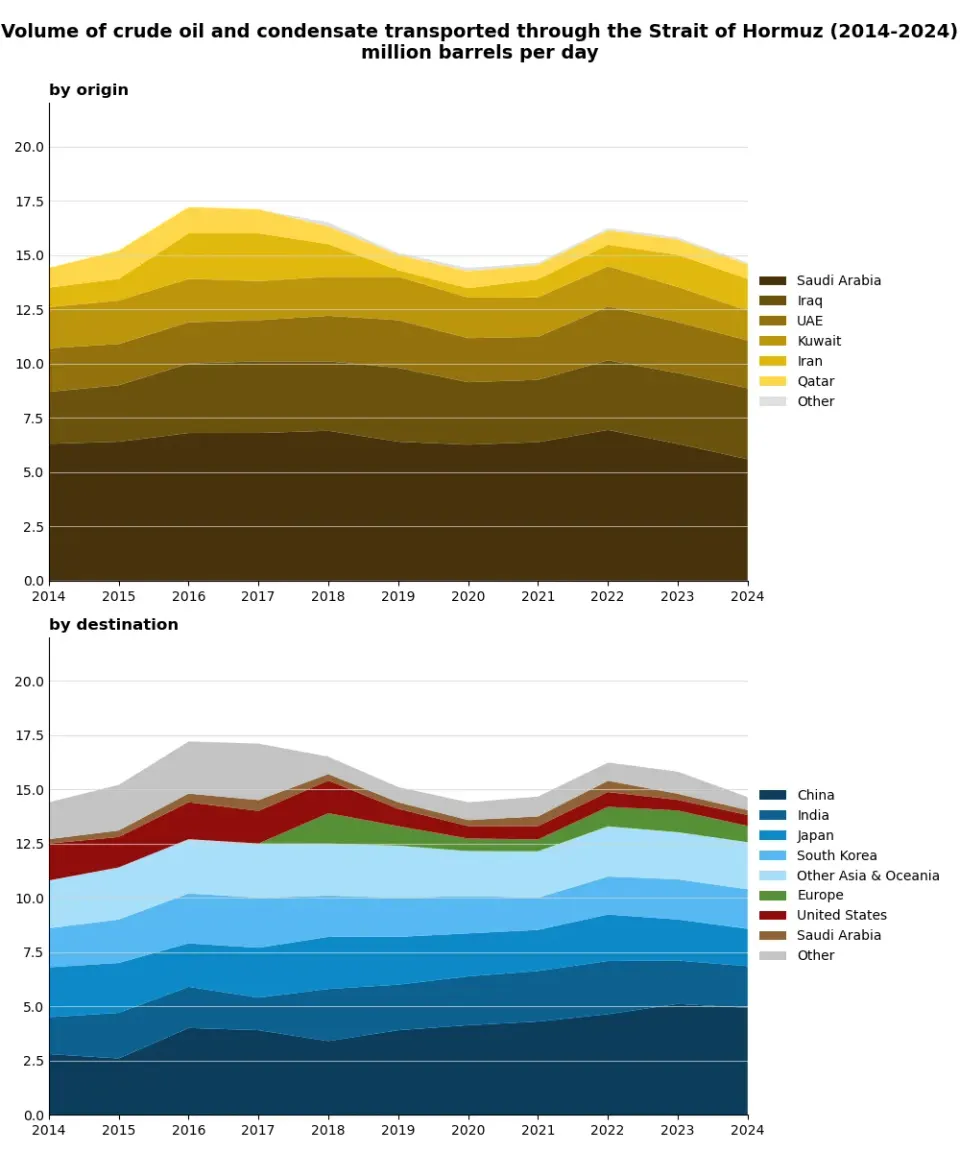
This domestic stability is being tested by external pressures. Reports of tension in the Strait of Hormuz, with both the US and Iran claiming control amid attacks on vessels, add a layer of 'war risk' that usually drives gold prices up. However, with the global gold ounce sitting at a staggering $4,166, the local market seems to be more focused on the Toman’s slight recovery than the global bullion rally. It is a moment of hesitation; the market is waiting to see if the Toman’s gain is a temporary correction or a new trend.

---
Learning from the Past: The 2025-2026 Inflation Hedge
Reflecting on the 'Great Recession' narratives that often haunt market cycles, we see a recurring theme: those who do 'everything right' can still find themselves renting in their 50s if they don't adapt to shifting asset classes. In the Iranian context, the choice between USDT and Gold isn't just about profit; it's about sovereignty. While USDT offers instant liquidity and a bridge to global DeFi, it carries the risk of centralized freezing and the 'Tether premium' we see today. Gold, while harder to transport, remains the only asset with zero counterparty risk.
As we look toward the end of 2026, the narrative comparison is clear. If your goal is immediate movement and agility in a world of shifting sanctions, the 1,000 Toman premium on USDT might be a price worth paying. But if the goal is to weather a geopolitical storm that includes potential shifts in US-Russia-Iran relations, the stability of the 18k gram—which barely budged today despite the currency's fluctuation—remains the gold standard. The smart money isn't just looking at the price; it's looking at the 'cost of exit' and the 'certainty of ownership.'
Concept Diagram
Frequently Asked Questions
Why is USDT more expensive than physical USD in Iran today?
Is it better to buy Emami coins or 18k gold grams right now?
How does Trump's Russia policy affect the Toman?
The USDT Premium: A Barometer of Economic Distress in Sanctioned Economies
The "USDT Premium" refers to a phenomenon where stablecoins like Tether (USDT), which are designed to maintain a 1:1 peg with the US dollar, trade at a significantly higher price than $1 when converted using local exchange rates in certain countries. This premium is particularly pronounced in economies facing severe international sanctions and high inflation, such as Iran. It effectively means that individuals in these regions are paying more than the standard dollar value to acquire digital dollars, reflecting a desperate demand for a stable store of value amidst local currency depreciation.
This elevated price for USDT isn't just a market anomaly; it's a direct symptom of underlying economic pressures. Sanctions severely restrict a country's access to traditional international banking systems and the US dollar, creating a scarcity of hard currency. Simultaneously, high inflation erodes the purchasing power of the local currency (like the Iranian Toman), pushing citizens to seek alternatives to protect their savings. Cryptocurrencies, particularly stablecoins, emerge as a viable, albeit risky, option for capital flight, remittances, and hedging against economic instability, thus driving up their effective price.
For ordinary Iranians, the USDT premium presents a complex dilemma. While acquiring digital dollars might offer a perceived refuge from the Toman's volatility, the premium itself means they are effectively losing a portion of their wealth just by converting it. This "extra cost" highlights the profound impact of sanctions on daily financial decisions and the lengths to which individuals must go to preserve their economic stability. It also underscores the inherent risks and inefficiencies of operating outside conventional financial channels.