The Gold-Tether Divergence: Why Tehran is Betting on Physical Assets Amid Global Flight Chaos
دو راهی طلا و تتر؛ چرا تهران در میانه آشوبهای هوایی اروپا به دارایی فیزیکی پناه برد؟
With gold prices in Tehran rising while the dollar remains stagnant, a new narrative is emerging in the 1405 market. We analyze whether the 'Digital Dollar' can still compete with the 0.9% surge in Emami coins as geopolitical risks mount.
At time of publishing
USD
267,800
Toman
Gold 18K
26.13M
Toman / gram
Bitcoin
$78,190
US Dollar
Tether
267,970
Toman
The Safe Haven Shift
As of Thursday, November 5, 2026, the Tehran markets are witnessing a subtle but significant decoupling. While the free market USD sell rate dipped slightly by 0.1% to 267,800 Toman, 18k gold rose by 0.6%, reaching 26,134,632 Toman per gram. This divergence isn't accidental; it reflects a global anxiety mirrored in local price tags. Outside Iran's borders, the atmosphere is electric with uncertainty. The Bank of England has just hiked interest rates to 4% to combat persistent inflation, and in Europe, more than 15 commercial flights were diverted due to bomb threats. When the physical world feels unstable, the Iranian investor’s reflex is historically consistent: move toward gold.
This flight to safety is further fueled by the stalling of major global infrastructure. A recent report from IEEFA reveals that $67.8 billion worth of LNG power projects in Asia have been scrapped or stalled due to rising costs. For an Iranian observer, this signals long-term energy volatility and sustained global inflation. While the US dollar remains the world's reserve, its local performance is being overshadowed by the Emami coin, which jumped 0.9% today to 267,000,000 Toman. The narrative is clear: in a world of diverted planes and cancelled energy deals, a physical coin in a safe feels more 'real' than a digital balance.
[IMAGE: Gold bars and Emami coins on a traditional Persian fabric with a background of a trading screen showing global market volatility]
USDT vs. The Physical Premium
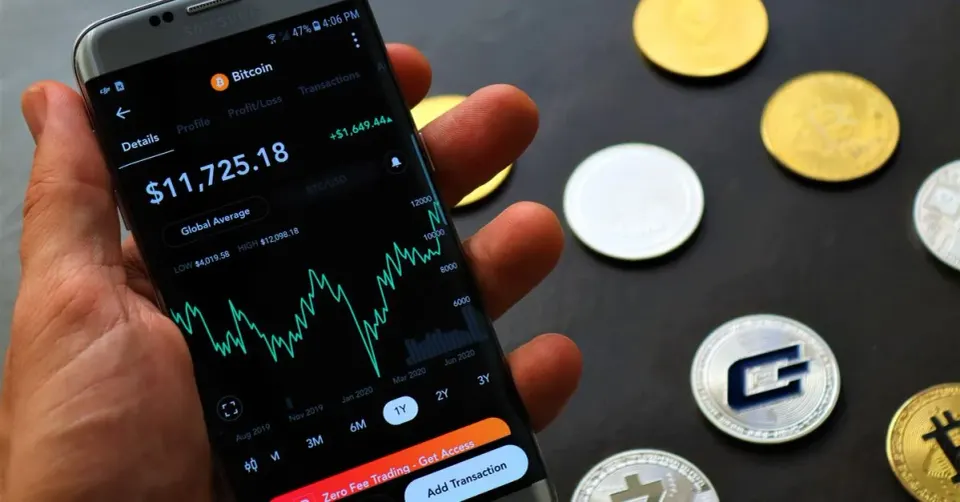
The choice between Tether (USDT) and physical gold has never been more nuanced. Today, USDT is trading at 267,970 Toman—virtually at parity with the paper dollar. For the tech-savvy saver, USDT offers unmatched liquidity and the ability to exit into global markets instantly. However, it lacks the 'panic premium' that physical gold carries. When local tensions rise, the demand for gold often outstrips the global ounce price, creating a domestic bubble that can actually benefit the holder during a crisis. In contrast, USDT is bound strictly to the global dollar value, meaning it won't 'over-perform' just because Tehran is nervous.
Furthermore, the digital landscape is facing its own hurdles. While NASA is pushing boundaries with the new X-70 Fractal experimental aircraft, showing the relentless pace of Western technology, the financial world is bogged down by policy delays. In the UK, the long-awaited 10-year economic plan has been pushed back to January, leaving markets guessing about future trade alignments. This 'policy lag' is a reminder that even digital assets are subject to the whims of distant regulators. For many in Iran, the transparency of a gold gram—calculated by a simple formula of the global ounce ($4,114.80) and the local dollar—is more comforting than the complex regulatory environment surrounding stablecoins.
The Geopolitical Hedge in 2026
Geopolitics remains the ultimate price setter for the Iranian Rial. Today’s diplomatic rounds, where Iran's Foreign Minister discussed regional stability with counterparts from Jordan, Saudi Arabia, and Qatar, suggest a frantic search for a 'cool down.' However, markets rarely listen to what officials say; they watch what they do. The fact that gold continues to climb despite these high-level talks indicates that the public remains skeptical of a lasting de-escalation. The memory of recent 'black swan' warnings and naval tensions near the Strait of Hormuz is still fresh, making the 0.6% daily gain in gold feel like a necessary insurance premium.
Looking ahead to 2027 and 2028, analysts are already warning about the sustainability of the AI-driven market boom and the massive costs of data center build-outs. If the global tech bubble faces a correction, the dollar could weaken, but gold's status as the 'ultimate currency' would likely remain untouched. Whether you choose the 18k gram at 26.1 million or the digital convenience of USDT at 267k, the lesson of November 1405 is one of diversification. Relying on a single vehicle in an era of diverted flights and stalled energy projects is no longer a strategy; it is a gamble. The market is telling us that while the dollar is a tool for trade, gold remains the anchor for survival.

Concept Diagram
Frequently Asked Questions
Why did gold rise today while the dollar remained flat?
Is USDT a better long-term investment than Emami coins?
How does the Bank of England rate hike affect the Iranian market?
Understanding Safe-Haven Assets: Gold vs. Digital Stability in Uncertain Times
In times of global uncertainty, political instability, or economic turmoil, investors often seek out "safe-haven assets." These are investments expected to retain or even increase in value during market downturns, offering a refuge from volatility elsewhere. Unlike typical investments that might thrive in growth periods, safe havens are prized for their perceived reliability and ability to preserve capital when conventional markets are in chaos. The recent global landscape, marked by geopolitical tensions, economic shifts, and localized challenges, highlights why understanding these assets is crucial for anyone navigating financial markets.
Gold stands as the quintessential safe-haven asset, a role it has played for millennia. Its appeal stems from several fundamental characteristics: it's a tangible, physical commodity with intrinsic value, limited supply, and a long history as a store of wealth across diverse cultures and economies. Gold is not tied to any single government's fiscal policy or the performance of a specific corporation, making it a hedge against inflation and currency devaluation. This independence from sovereign and corporate risks makes physical gold particularly attractive in regions facing local currency depreciation or geopolitical instability, as observed in Tehran's increased interest in physical assets.
In contrast to traditional safe havens, the digital age has introduced new forms of perceived stability, such as stablecoins like Tether (USDT). USDT aims to maintain a stable value, typically pegged 1:1 with the U.S. dollar, by holding reserves of fiat currency or other assets. For some, stablecoins offer a digital alternative for preserving value, especially in environments with high local inflation or capital controls, providing easy liquidity and transferability. However, their safety depends heavily on the transparency and solvency of their issuers and the regulatory framework governing them, introducing a different layer of counterparty risk compared to physical gold.
The "Gold-Tether Divergence" observed in certain markets reflects a fundamental choice between these two forms of "safety." While USDT offers digital convenience and dollar exposure, its reliance on a centralized issuer and the broader digital infrastructure means it carries inherent systemic and regulatory risks. In periods of extreme global "chaos" or localized financial stress, investors may prioritize the absolute tangibility and historical resilience of physical gold over the digital promise of stablecoins. This divergence underscores a preference for assets with minimal counterparty risk and a proven track record, especially when trust in both traditional and novel financial systems is challenged.