
Digital Gold’s $75K Surge vs. The Emami Coin Slump: A 2026 Reality Check
دوئل بیتکوین ۷۵ هزار دلاری با حباب سکه؛ کدام پناهگاه در آبان ۱۴۰۵ امنتر است؟
As Bitcoin holds firm above $75,000, Iran's local gold market is seeing a sharp correction with Emami coins dropping 2.6% in a single day. We analyze why the 'USDT premium' is widening and whether physical gold is losing its luster as an inflation hedge.
At time of publishing
USD
266,500
Toman
Gold 18K
25.67M
Toman / gram
Bitcoin
$75,885
US Dollar
Tether
267,934
Toman
The Great Divergence: Crypto Resilience vs. Gold Fatigue
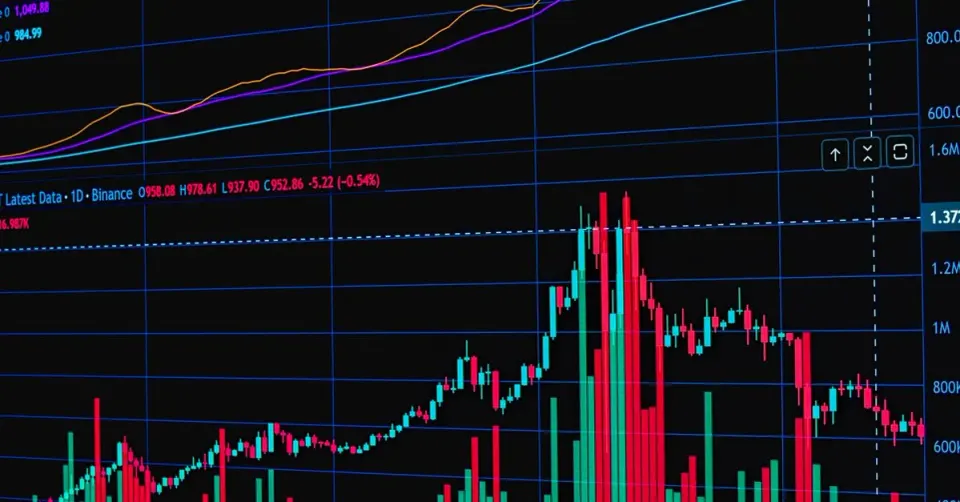
On this Saturday, November 7, 2026, the financial landscape for Iranian investors is presenting a fascinating paradox. While Bitcoin (BTC) is trading at a robust $75,885, asserting its dominance as a global store of value, the local gold market in Tehran is showing signs of exhaustion. The Emami coin, often the barometer of local sentiment, has plummeted by 2.6% in the last 24 hours, falling to 260 million Toman. This divergence suggests that the massive 'bubble' or premium traditionally attached to physical coins is beginning to deflate, even as global gold prices remain historically high at $4,072 per ounce.
The volatility in the crypto sector isn't just about price action; it's about ecosystem evolution. Today’s news regarding the Bitcoin eCash fork, where holders received ECX tokens, highlights the technical complexity that still surrounds digital assets. Unlike the simple act of holding a gold coin, crypto investors must navigate forks, regulatory shifts, and liquidity hurdles. However, the market's ability to absorb these changes while maintaining a price near $76,000 demonstrates a level of institutional maturity that gold—currently struggling with local demand shifts—is failing to match in the short term.
---
The USDT Premium: Why Digital Dollars Cost More
One of the most striking anomalies in today's market snapshot is the price of Tether (USDT). At 267,934 Toman, USDT is significantly more expensive than the physical 'Greenback' sell rate of 266,500 Toman. This 'USDT premium' is a direct reflection of the Iranian market's desperate need for mobility. In a world where geopolitical tensions in the Strait of Hormuz can lead to sudden maritime escalations, the ability to move capital across borders instantly via a smartphone is worth more than the physical security of a banknote.
This demand for digital liquidity is further fueled by global shifts. As we see in the latest reports from the UK and EU regarding post-Brexit residency rights and the hardening of single-market rules, the world is becoming more fragmented. For an Iranian saver, a digital asset that bypasses traditional banking friction is increasingly seen as a necessity rather than a luxury. While physical USD fell by 0.4% today, USDT demand remains inelastic because it serves as the primary gateway to the global crypto market, where assets like ETH and BTC provide growth opportunities that the static dollar cannot.

---
2027 Tax Brackets and the Long-Term Hedge
Looking ahead, the debate between Bitcoin and gold as inflation hedges is being reshaped by macro-economic policy. Recent analysis of the 2027 tax brackets and Roth conversion strategies in the US reminds us that global liquidity is always at the mercy of the IRS and the Federal Reserve. For Iranians, this means that the 'safe haven' status of any asset is tied to its global fungibility. Gold is heavy, hard to transport, and as we saw today with the 0.8% drop in 18k gold per gram, susceptible to local market manipulations and sudden sell-offs.
In contrast, the narrative for 2025 and 2026 has shifted toward 'programmable scarcity.' While the Emami coin lost 7 million Toman in value today, Bitcoin's decentralized nature protects it from the specific regional risks that plague the Tehran market. However, gold still holds the crown for 'disaster insurance.' If the internet goes dark or if exchanges face further sanctions, that 18k gold gram—currently at 25,670,621 Toman—remains a physical reality. The choice for the Iranian investor in late 1405 is no longer about which asset will rise more, but which asset they can actually access when the doors to the global economy start to swing shut.

Concept Diagram
Frequently Asked Questions
Why is USDT more expensive than physical USD in Iran right now?
Is the 2.6% drop in Emami coin a sign of a long-term crash?
What is the Bitcoin eCash (ECX) fork mentioned in the news?
Inflation Hedge: Digital Gold (Bitcoin) vs. Physical Gold
In times of economic uncertainty and currency devaluation, individuals and investors often seek "inflation hedges" – assets expected to retain or increase their value when the purchasing power of a currency declines. The concept is crucial for preserving wealth, particularly in economies experiencing high inflation, where traditional savings can erode rapidly. Understanding what constitutes an effective inflation hedge and how different assets perform in this role is vital for financial resilience.
Historically, physical gold has been the quintessential inflation hedge. Its intrinsic value, limited supply, and historical role as a store of value across millennia have made it a trusted asset during economic turmoil. Gold is tangible, universally recognized, and not subject to the monetary policies of any single government, offering a perceived sanctuary from currency debasement. However, physical gold comes with practical challenges such as storage costs, security concerns, and difficulties in divisibility and transport, especially for large amounts.
In recent years, Bitcoin has emerged as a contender for the title of "digital gold." Proponents argue that its decentralized nature, fixed supply cap (21 million coins), and resistance to censorship make it a superior inflation hedge in the digital age. Like gold, Bitcoin is not controlled by central banks or governments, offering a similar appeal of independence from traditional financial systems. Its global accessibility and ease of transfer, particularly across borders, present advantages over physical gold in a connected world.
However, Bitcoin's relatively short history and significant price volatility pose questions about its reliability as a stable store of value compared to gold. While gold's price can fluctuate, it generally does so with less dramatic swings than Bitcoin, which is still a nascent asset class. The "digital gold" narrative is compelling, but its journey to widespread acceptance as a stable inflation hedge is ongoing, marked by both speculative interest and a growing institutional embrace. The choice between physical and digital gold often depends on an investor's risk tolerance, time horizon, and specific economic environment.