Hormuz Minefields and MicroStrategy Bets: Why the Toman is Edging Toward 270,000
میدان مین در هرمز و شرطبندی مایکرواستراتژی؛ چرا تومان به مرز ۲۷۰ هزار نزدیک میشود؟
The USD/IRR pair climbed 0.7% today as a third tanker explosion in the Strait of Hormuz rattled local markets. While diplomatic talks in Islamabad offer a faint hope for stability, Bitcoin's resilience and regional security risks are dominating the evening trade.
At time of publishing
USD
268,500
Toman
Gold 18K
24.62M
Toman / gram
Bitcoin
$65,222
US Dollar
Tether
269,998
Toman
Key figures
US Dollar
268,500
Iranian Toman
↑ 0.67% todayBitcoin
$65,222
US Dollar
The Market Reacts to Marine Volatility
As of the evening of Monday, November 16, 2026, the Iranian Toman is showing clear signs of technical and psychological strain. The USD/IRR exchange rate rose from 266,700 to 268,500 Toman over the last 24 hours, marking a 0.7% increase. This upward move in the greenback was mirrored in the precious metals sector, where 18k gold gained 0.5% to reach 24,620,250 Toman per gram, and the Emami gold coin saw a modest 0.2% uptick to 251,500,000 Toman. These movements are not occurring in a vacuum; they are the direct result of a deteriorating security situation in the Strait of Hormuz.
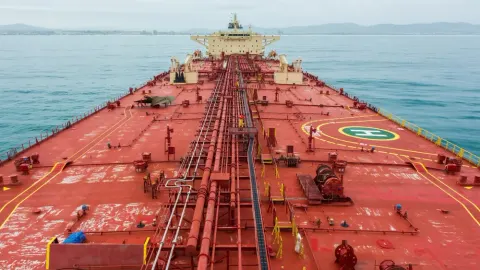
Reports from IRNA indicate that a third oil tanker has exploded after striking naval mines in a prohibited area east of the Strait within just 24 hours. This sequence of maritime incidents has injected a significant risk premium into the Toman. For Iranian traders, the Strait is the nation's economic jugular vein. Any disruption there doesn't just threaten oil exports; it signals a potential escalation in regional conflict that could lead to further sanctions or physical blockades. The market's immediate reaction—buying dollars and gold—is a classic flight to safety as the "war drum" beats louder in the Persian Gulf.

The Bullish Case for Hard Assets
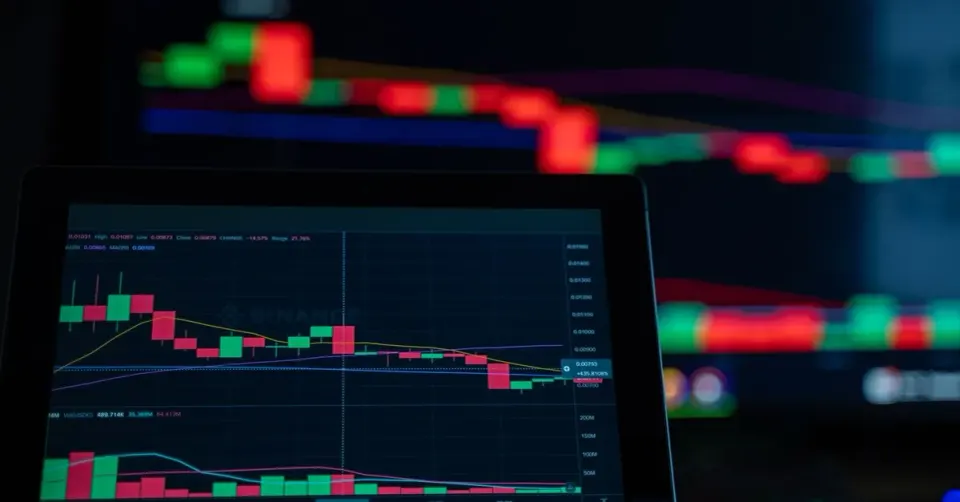
The bullish case for USD and Gold in the Iranian market is currently built on a foundation of geopolitical instability and global institutional trends. Beyond the local minefields, the global macro environment is adding fuel to the fire. MicroStrategy’s recent purchase of 485 Bitcoin for $33.4 million, alongside a massive $228 million buyback of its own shares, signals that institutional appetite for alternative assets remains voracious. This keeps Bitcoin stable at $65,222, providing a high floor for the USDT/IRR rate, which currently sits at a premium of 269,998 Toman.
Furthermore, political friction in the United States is contributing to global uncertainty. The Trump administration's Justice Department warning to Senator Elizabeth Warren regarding future investigations highlights a deeply divided Washington. For Iranian observers, a distracted or aggressive U.S. administration often correlates with unpredictable sanctions enforcement or sudden shifts in Middle East policy. When investors cannot predict the next move from Washington or the next explosion in the Gulf, they naturally gravitate toward the US Dollar and Gold, suggesting that the Toman may face further devaluation toward the 275,000 level in the coming week.
The Bearish Case and Diplomatic Buffers
Conversely, there are factors that could cap the Toman's fall and provide a bearish case for the USD/IRR pair. Foreign Minister Abbas Araghchi is currently in Islamabad for talks with his Pakistani counterpart, Senator Mohammad Ishaq Dar, on the sidelines of the Economic Cooperation Organization (ECO) meeting. Diplomatic successes in these regional forums can lead to improved trade corridors and currency swap agreements that bypass traditional Western banking hurdles. If these talks yield concrete results regarding border security or economic cooperation, some of the geopolitical tension may dissipate, leading to a correction in the dollar's price.
Additionally, Iran’s recent performance in the Shanghai Cooperation Organization (SCO) Games—highlighted by Mobina Alinasab’s gold medal in chess—serves as a symbolic reminder of Tehran’s "Pivot to the East" strategy. While a chess medal doesn't fix inflation, the underlying SCO framework represents a long-term effort to integrate Iran into a non-Western economic bloc. If China or Russia provides more than just symbolic support—such as increased crude purchases or credit lines—the central bank may find the ammunition it needs to defend the 265,000 Toman support level.
Nuanced View: A Fragile Equilibrium
In my analysis, the market is currently caught between the immediate fear of a maritime blockade and the long-term hope of regional integration. The 0.7% rise in USD is a warning shot, but it is not yet a full-scale panic. The key indicator to watch over the next 48 hours will be the insurance rates for shipping in the Persian Gulf. If those rates continue to climb due to the mine incidents, no amount of diplomatic talk in Islamabad will be able to stop the Toman from sliding further.

However, we must also consider the "reputational" shifts happening globally. Even the news of Gérard Depardieu dropping his appeal against a sexual assault conviction in Paris serves as a reminder of how quickly legal and social landscapes are shifting in the West. For Iranian capital holders, the West is no longer the predictable legal haven it once was. This could, paradoxically, keep more capital within the region or drive it into decentralized assets like Bitcoin. My view is one of cautious pessimism: expect volatility to remain high, and do not be surprised if the USD tests the 270,000 Toman mark before any meaningful diplomatic cooling occurs. This is an opinion based on current data, not a guarantee of future performance. ---
Frequently Asked Questions
چرا قیمت دلار با وجود مذاکرات دیپلماتیک در پاکستان کاهش نیافت؟
آیا خرید بیتکوین توسط مایکرواستراتژی بر قیمت تتر در ایران اثر دارد؟
سطح حمایتی بعدی دلار در صورت آرام شدن اوضاع چقدر است؟
Understanding Currency Devaluation under Sanctions: The Case of Iran’s Rial/Toman
Currency devaluation is the intentional or market‑driven decline in the value of a nation's money relative to foreign currencies. In a sanctioned economy like Iran, devaluation often accelerates because the country’s ability to earn hard‑currency revenues—principally from oil exports—is severely constrained. When oil sales are blocked or reduced, the central bank cannot acquire enough U.S. dollars or euros to meet demand for foreign exchange, forcing the domestic currency to weaken on the black market. This explains why the official USD/IRR rate can diverge dramatically from the market rate, sometimes by a factor of ten or more.
Iran’s exchange‑rate system is officially a managed float, but in practice there are multiple parallel rates: the official rate set by the Central Bank, a subsidized rate for essential imports, and the free‑market rate that reflects real supply‑and‑demand dynamics. Sanctions, regional tensions (such as the Strait of Hormuz tanker explosion), and capital flight all feed into the free‑market rate, pushing the toman (the unit equal to 10 rials) toward ever‑higher numbers like 270,000 per U.S. dollar. The government may intervene by selling foreign reserves or imposing capital controls, but these measures are often temporary and can create further distortions.
A devalued currency also reshapes other asset markets. Gold, priced in dollars, becomes an attractive store of value for Iranians, leading to spikes in domestic gold demand and higher local gold prices. Similarly, cryptocurrency firms like MicroStrategy view Bitcoin as a hedge against fiat‑currency risk, prompting large purchases that are publicized to signal confidence in alternative stores of wealth. Both gold and Bitcoin can help preserve purchasing power when the rial loses value, but they also introduce volatility and regulatory challenges.
Long‑term devaluation can have mixed effects. On one hand, a weaker rial makes non‑oil exports more competitive, potentially diversifying the economy. On the other hand, it raises the cost of imported goods, fuels inflation, and erodes real wages. Policymakers must balance these outcomes while navigating diplomatic pressures, such as negotiations led by officials like Abbas Araghchi in Islamabad, which aim to ease sanctions and stabilize the exchange rate. Understanding the mechanics of devaluation helps investors and citizens anticipate how geopolitical shocks translate into everyday price changes.
For anyone watching Iran’s macro‑economic trends, the key takeaway is that currency value is not just a number—it is the barometer of a nation’s access to the global financial system, its political stability, and the resilience of its alternative asset markets.