Trump’s 'No Extension' Threat Rattles Markets: USD Edges Up as Gold Bubbles Burst in Tehran
تهدید ترامپ برای پایان آتشبس: صعود دلار و سقوط سنگین حباب سکه در بازار شبانه
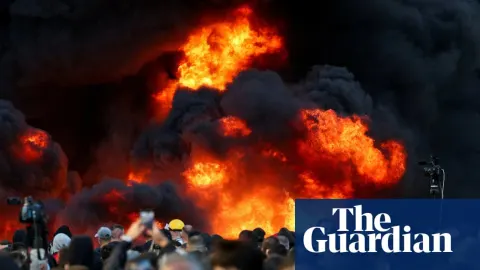
As the midnight deadline for the US-Iran ceasefire looms, President Trump’s refusal to grant an extension has sent the Dollar climbing to 153,450 Toman. Meanwhile, the domestic gold market is witnessing a violent correction, with Emami coins shedding over 14 million Toman in a single day.
At time of publishing
USD
153,450
Toman
Gold 18K
17.59M
Toman / gram
The Midnight Deadline and the Dollar's Ascent
The diplomatic tightrope between Tehran and Washington just became significantly thinner. On Tuesday evening, President Donald Trump delivered a blunt message via CNBC, stating he has no intention of extending the two-week ceasefire that has kept a fragile peace in the region. This declaration acted as an immediate catalyst for the currency markets. The US Dollar moved from 152,550 to 153,450 Toman, a 0.6% increase that reflects the market's growing anxiety over what happens when the clock strikes twelve tomorrow. While the percentage move might seem modest, the psychological breach of the 153,000 level suggests that traders are pricing in a return to hostilities rather than a breakthrough in Islamabad.
Vice President JD Vance’s trip to Pakistan remains in limbo, with U.S. officials citing a lack of response from Tehran as the primary hurdle. For the average Iranian, this isn't just a headline; it's a direct hit to purchasing power. When the 'Greenback' climbs in the unofficial market, the cost of imported goods, from electronics to essential raw materials, follows suit almost instantly. The market is currently in a 'wait-and-see' mode, but the bias is clearly skewed toward hedging. The lack of a diplomatic 'Plan B' has left the Rial vulnerable, and without a last-minute miracle in the Pakistan-mediated talks, the upward pressure on the Dollar is unlikely to abate before the morning session.
The Great Gold Correction: Bubbles Bursting
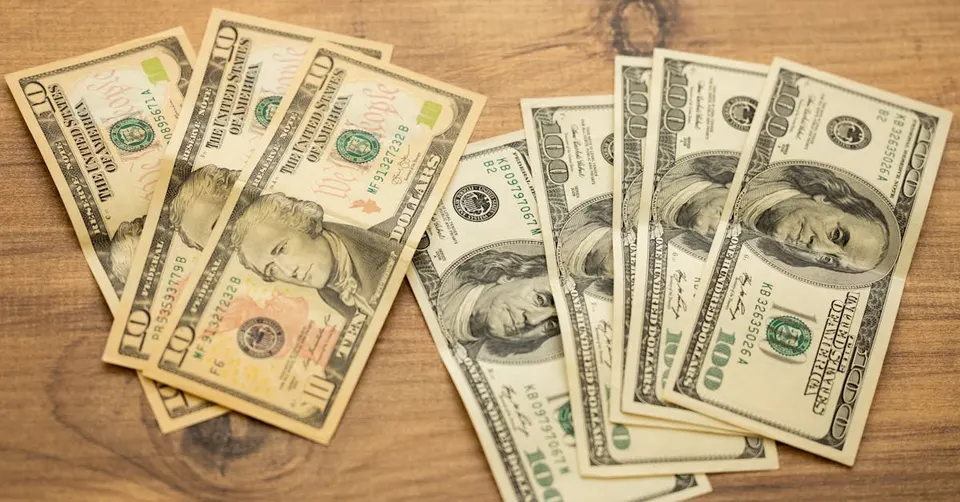
While the Dollar climbed, the gold market told a much more dramatic story of volatility and perhaps, a harsh reality check. The Emami coin experienced a staggering move, crashing from 188,000,000 to 174,000,000 Toman—a massive -7.4% drop in just 24 hours. Similarly, 18k gold fell from 17,860,012 to 17,594,764 Toman per gram (-1.5%). This divergence between a rising Dollar and falling Gold is rare in the Iranian context and suggests that the 'war premium' or the speculative bubble that had driven coins to astronomical heights is finally losing air.
Analysts suggest this crash is a combination of two factors: profit-taking by large institutional players who anticipate a 'sell the news' event regardless of the ceasefire outcome, and a liquidity crunch. As the BBC reports mass redundancies across Iran’s manufacturing and digital sectors due to the ongoing conflict, many households are likely being forced to liquidate their gold holdings to cover basic living expenses. When everyone rushes for the exit at once, the price floor collapses. The 14-million Toman drop in Emami coin value is a sobering reminder that even the safest havens aren't immune to the laws of supply and demand when panic or necessity takes over.

Global Shifts: From Apple’s New Era to AI Deepfakes
Beyond our borders, the financial world is grappling with its own tectonic shifts. The news of Tim Cook stepping down as Apple CEO marks the end of an era that defined the modern smartphone economy. As John Ternus prepares to take the lead in September, the focus is shifting toward Cook’s legacy in health tech and the Apple Watch. For Iranian tech enthusiasts and investors, this transition matters because Apple remains the gold standard for consumer electronics value; any shift in their global strategy or supply chain (especially amid U.S. trade tensions) eventually ripples down to the availability and pricing of these goods in the local gray market.
Simultaneously, the rise of AI continues to redefine digital security. YouTube’s expansion of its deepfake removal tools for celebrities highlights a growing trend: the war against misinformation. In a high-tension environment like the current US-Iran standoff, the potential for AI-generated fakes to trigger market panics or diplomatic incidents is at an all-time high. Investors should remain vigilant; in 2026, a video of a politician or a central bank governor might not be what it seems. As we move into tomorrow’s expiration of the ceasefire, the intersection of geopolitical brinkmanship and technological volatility makes for one of the most unpredictable trading environments in recent memory.
Practical Takeaway
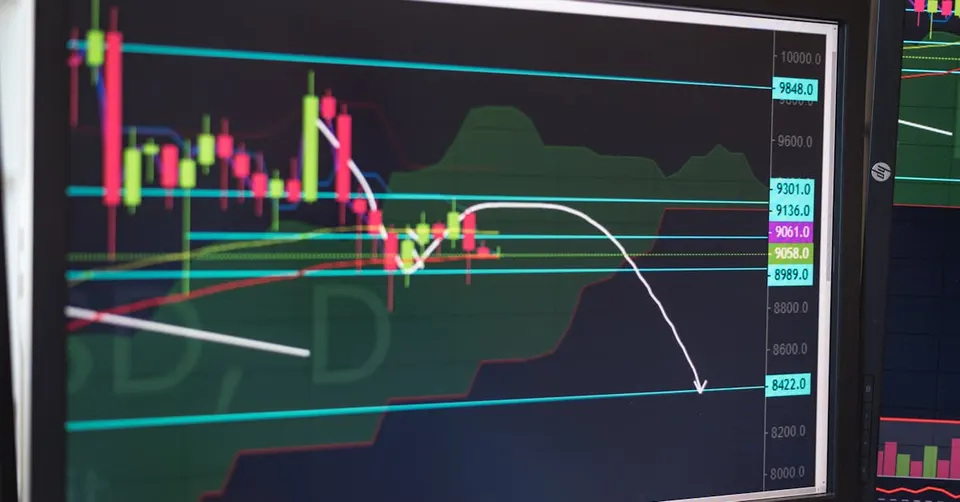
With the ceasefire set to expire tomorrow and Trump signaling a return to 'maximum pressure' or worse, the Dollar remains the primary defensive asset. However, the 7.4% crash in gold coins serves as a warning against buying into 'hype' during peak tension. If you are holding gold, the bubble is currently deflating; if you are looking to enter, wait for the political dust to settle in Islamabad. Diversification into stablecoins or physical USD remains the most prudent path for those looking to survive the potential volatility of the next 48 hours.
Frequently Asked Questions
Why did the gold coin price drop while the Dollar rose?
What happens if the US-Iran ceasefire is not extended tomorrow?
How does Tim Cook leaving Apple affect the Iranian market?
How Economic Sanctions Ripple Through Currency, Gold, and Crypto Markets
Economic sanctions are tools that governments use to pressure other nations by restricting trade, finance, and investment. When the United States imposes sanctions on Iran, they often target the ability of Iranian banks to access the dollar‑based global financial system. This blockage forces Iran to rely on alternative currencies, like the Iranian rial (IRR) and even unofficial digital assets, which can cause the official USD/IRR exchange rate to fluctuate wildly.
One immediate effect of sanctions is a surge in demand for tangible stores of value, especially gold. With the dollar becoming harder to obtain, Iranian investors turn to gold as a hedge against inflation and currency devaluation. This creates a “gold bubble” where prices rise sharply, but the market can also become volatile when sanctions tighten further or when political rhetoric—such as former President Trump’s “no‑extension” threat—stirs uncertainty.
Sanctions also spill over into the crypto space. The Emami coin crash, for example, was partly driven by investors seeking a shortcut around traditional banking restrictions, only to face sudden regulatory crackdowns that wiped out confidence. Such episodes illustrate how secondary sanctions—penalties imposed on non‑U.S. entities that facilitate prohibited transactions—can destabilize emerging digital assets.
Understanding the mechanics of sanctions helps explain why seemingly unrelated events—like Tim Cook’s departure from Apple or JD Vance’s talks with Pakistan—can indirectly affect market sentiment. Global investors watch any geopolitical shift for clues about future policy moves, which can amplify capital flows into or out of risky markets like Iran.
In short, sanctions act like a pressure valve on an economy: they constrain official channels, push activity into informal or alternative markets, and generate price swings in both fiat and precious‑metal assets. Recognizing this chain reaction equips readers to interpret rapid market movements that often accompany high‑profile political statements.