The 50/50 Ultimatum: Tehran Markets Slide as Trump Weighs Iran’s Ceasefire Proposal
اولتیماتوم ۵۰-۵۰ ترامپ: عقبنشینی دلار و طلا در سایه مذاکرات واشنگتن
Tehran's markets entered a sharp correction phase this Saturday as Donald Trump prepares to meet with top negotiators to decide the fate of a proposed ceasefire. With the USD falling 1.7% to 175,900 Toman, the tension between a 'grand deal' and renewed strikes has traders on edge.
At time of publishing
USD
175,900
Toman
Gold 18K
19.20M
Toman / gram
Bitcoin
$75,385
US Dollar
Tether
17,555.4
Toman
The 50/50 Ultimatum: Trump and the Tehran Correction
The Saturday night session in Tehran closed with a palpable sense of hesitation, as the domestic market reacted sharply to breaking reports from Washington. President Donald Trump has signaled a pivotal moment in regional geopolitics, stating he is meeting with special envoy Steve Witkoff and adviser Jared Kushner to review Iran’s latest ceasefire proposal. Trump’s characterization of the situation as a "solid 50/50" between a historic deal and renewed military strikes has forced speculative capital into a defensive crouch. In the currency market, USD moved from 179,000 to 175,900 Toman, marking a 1.7% decline as the 'war premium' began to evaporate under the hope of a diplomatic breakthrough.
This volatility isn't just about the headlines; it's about the proximity of a decision. Foreign Ministry spokesperson Esmaeil Baqaei confirmed that Tehran is working on finalizing a Memorandum of Understanding (MoU) with the US to end hostilities on all fronts, though notably excluding nuclear discussions for now. For the average Iranian, this 50/50 gamble translates to immediate price shifts at the gold shop and the exchange office. The Emami coin felt the weight of this uncertainty, dropping from 192,000,000 to 189,000,000 Toman (-1.6%), while 18k gold fell even harder, moving from 19,653,261 to 19,204,487 Toman per gram, a 2.3% decrease.

Central Asian Chokepoints and the Solar Shift
While the headlines are dominated by the White House, a quieter but equally significant economic shift is occurring on Iran's northern borders. The European Union’s 20th sanctions package is beginning to bite, forcing Kyrgyzstan to suspend the activities of over 50 companies suspected of helping Russia—and by extension, regional partners—circumvent Western trade barriers. This tightening of the Central Asian corridor adds a layer of complexity to Iran’s transit economy. As deputy prime minister Daniyar Amangeldiev noted, the pressure from the US and UK is no longer just rhetorical; it is resulting in the literal shutdown of trade entities that served as vital lungs for the regional economy.
Simultaneously, the global energy landscape is reacting to the prolonged era of high prices with a structural pivot. A massive boom in home solar installations is underway as consumers globally, and increasingly within the Middle East, seek to decouple from volatile oil and gas markets. This "solarization" of the household economy is a direct response to the energy insecurity caused by geopolitical friction. For Iranian investors, this serves as a reminder that while oil remains the state's lifeline, the private sector's future may lie in decentralized energy, especially as traditional infrastructure faces the dual threats of sanctions and regional instability.
Crypto’s Cold Shoulder: ETFs and the $75k Floor
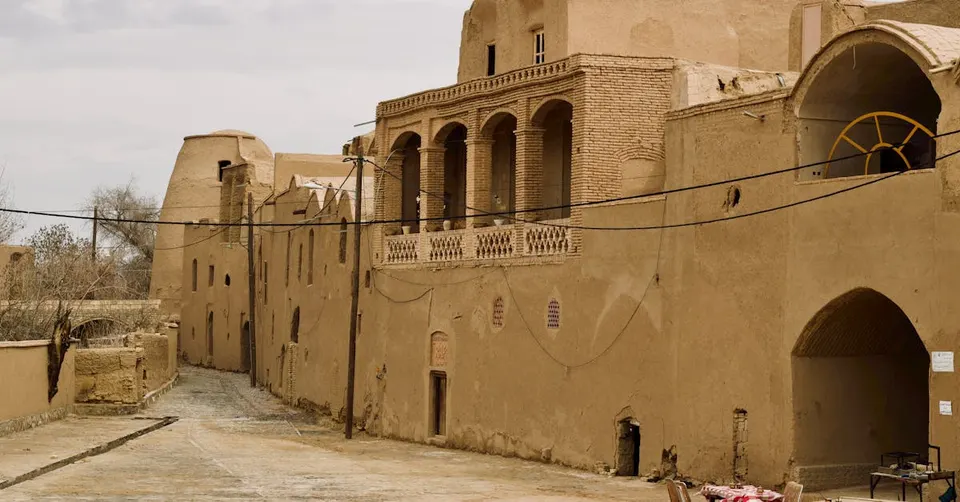
In the digital asset space, the mood is decidedly bearish. Bitcoin has struggled to maintain its footing, diving toward the $75,385 level as spot Bitcoin ETFs experienced their worst week since January, shedding $1.26 billion in assets. This cooling of institutional fervor is mirrored in the Ethereum market, which has seen a 10-day streak of outflows. For Iranian crypto traders, the Tether (USDT) price of 17,555 Toman reflects a narrowing gap with the physical dollar, suggesting that the local demand for digital hedges is stabilizing as the broader market corrects.
Despite the "frothy" nature of some market sectors, the underlying sentiment remains tied to the outcome of the US-Iran negotiations. As financial analysts warn of a 30% chance of a broader market crash over the next two years, the advice for the individual remains focused on utility and philanthropy rather than pure speculation. Much like the viral advice given to multimillionaires to find happiness by paying off layaway accounts at Walmart, the current market suggests that holding excessive risk in a 50/50 environment may not bring the peace of mind many are seeking. Tomorrow’s session will likely be the most consequential of the month, as the Sunday deadline for Trump's decision looms.
Frequently Asked Questions
Why did the USD price drop despite Trump's threat of military strikes?
What is the impact of the EU's 20th sanctions package on Iran?
Is the current dip in Gold 18k a buying opportunity?
Why are Bitcoin ETFs seeing massive outflows?
Geopolitical Risk and Financial Markets
Geopolitical risk refers to the potential for political events, international tensions, or conflicts to disrupt the stability of nations and global systems, subsequently affecting financial markets. These events can range from wars and terrorist attacks to diplomatic disputes, trade wars, elections, or significant policy shifts by major powers. Unlike purely economic factors, geopolitical risks are often unpredictable and can emerge suddenly, creating immense uncertainty for investors and businesses.
When geopolitical tensions escalate, financial markets typically react swiftly and often negatively. Investors, seeking safety, may flock to traditional safe-haven assets like gold, certain government bonds (e.g., U.S. Treasuries), or stable currencies like the U.S. dollar, leading to their appreciation. Conversely, assets perceived as riskier, such as emerging market currencies, local stocks, and commodities from affected regions, tend to depreciate. This flight to safety can trigger widespread sell-offs, increased volatility, and a general decline in market confidence.
For economies like Iran, which are often subject to international sanctions and geopolitical pressures, the impact of such risks is particularly acute. Any news regarding negotiations, sanctions relief, or heightened tensions can cause dramatic fluctuations in the local currency (like the Iranian Rial), gold prices, and domestic asset values. The prospect of a "ceasefire proposal" or "negotiations" can introduce both hope and skepticism, leading to rapid re-evaluations by market participants and significant price corrections as seen in the "Tehran markets slide." These markets are highly sensitive to political developments, as they directly influence trade, investment, and the overall economic outlook.