Trump’s 'Bombs or Benefits' Rhetoric Sends Toman and Gold Surging as G7 Closes
هشدار «بمب یا توافق» ترامپ؛ جهش قیمت دلار و طلا در پایان نشست G7
Despite a preliminary memorandum of understanding, President Trump's aggressive rhetoric at the G7 summit has injected fresh volatility into the Iranian market. With the US President threatening to 'go back to bombing' if terms aren't met, the Toman and gold prices have responded with sharp upward movements today.
At time of publishing
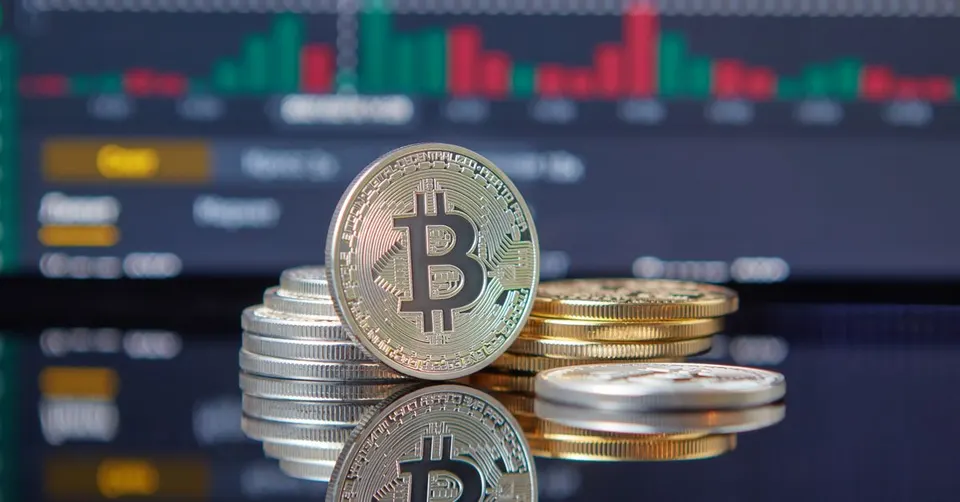
USD
156,600
Toman
Gold 18K
16.58M
Toman / gram
Bitcoin
$65,898
US Dollar
Tether
156,899
Toman
The Market Reacts to the 'Trump Gap'
The Iranian market did not wait for the formal conclusion of the G7 summit to express its skepticism. In a single day of trading, the US Dollar sell rate moved from 153,200 to 156,600 Toman, marking a 2.2% increase that caught many retail traders off guard. This volatility was even more pronounced in the gold sector, where 18k gold rose from 16,076,919 to 16,578,789 Toman (+3.1%), and the benchmark Emami coin surged by 4.1%, closing at 164,500,000 Toman. These movements suggest that while the headlines speak of a 'deal,' the market is pricing in the extreme unpredictability of the American administration.
For the average Iranian household, this price action is a sobering reminder that a memorandum of understanding (MoU) is not the same as a lifting of economic pressure. The rapid appreciation of the Dollar suggests a 'buy the rumor, sell the fact' dynamic where the initial optimism of a peace deal has been replaced by the cold reality of the conditions attached to it. When the Toman loses over 2% of its value against the greenback in 24 hours, it signals a rush toward hard assets as a hedge against what might happen if the current diplomatic fragile thread snaps.
Diplomacy Under the Shadow of Threats
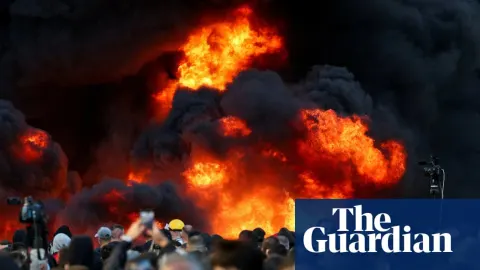
The primary driver of today's market jitters was President Trump’s closing remarks at the G7. While he hailed the preliminary agreement and claimed that US allies 'love' the progress, he simultaneously engaged in aggressive posturing. Trump explicitly stated that the US could 'go back to bombing' Iran if the deal isn't honored, describing the current state as a non-final memorandum. This 'carrot and stick' approach has historically triggered defensive buying in Tehran's Grand Bazaar, as traders interpret the 'bombing' rhetoric as a sign that the path to sanctions relief will be anything but smooth.
Furthermore, Trump’s adamant denial of a $300 billion reconstruction fund for Tehran has deflated hopes for a massive liquidity injection into the Iranian economy. By stating 'we’re not putting up 10 cents,' the President has signaled that any economic recovery will depend on private investment rather than direct US aid. This was further complicated by domestic US political friction, as Senator Tom Cotton broke with Trump over the delay of Jay Clayton’s nomination for intelligence director, suggesting that the US administrative machinery is still deeply divided over its Middle East strategy.
---
The Global Backdrop: Chips and Oil Surplus
While Iran grapples with geopolitical headlines, the global stage is seeing a massive divergence in asset classes. Leading semiconductor gear stocks like ASML, Applied Materials, and Lam Research hit record highs today, driven by the relentless demand for AI infrastructure. For the Iranian investor, this global tech rally serves as a reminder of the opportunity cost of isolation; while the world’s capital flows into 21st-century technology, the local market remains tethered to the volatility of 20th-century geopolitical disputes. This tech boom is also keeping the US Dollar strong globally, adding further pressure on emerging and frontier currencies like the Toman.
Looking ahead, the International Energy Agency (IEA) has released a startling forecast for 2027, predicting a massive oil surplus of 5 million barrels per day as Middle East supply returns following the potential peace agreement. While a return to the global oil market is a win for Iran's volume of exports, the IEA’s warning of a supply glut suggests that prices might stay suppressed. This means that even with sanctions relief, the 'oil windfall' that many expect might be thinner than anticipated. The practical takeaway for today? Diversify. Relying solely on the 'peace dividend' is risky when the architects of that peace are still talking about dropping bombs.
Tomorrow's Outlook
As we head into Thursday's session, all eyes will be on the opening rates in the Herat and Sulaymaniyah markets. If the 156,000 level for the USD holds, it could become the new floor for the short term. Investors should also monitor the 'Polymarket' clashing over whether the current MoU qualifies as a 'permanent peace deal,' as these decentralized prediction markets are becoming a leading indicator for sentiment. For now, the strategy remains cautious: stay liquid and don't over-leverage on the assumption of immediate stability.
Frequently Asked Questions
Why did the Dollar price rise despite news of a deal with the US?
What is the significance of the 156,600 Toman level for USD?
How does the global chip stock rally affect Iranian investors?
What does the IEA's 2027 forecast mean for Iran's economy?
Geopolitical Risk and the Flight to Safe-Haven Assets
Geopolitical risk refers to the potential for political instability, international tensions, or policy shifts to disrupt global economic and financial markets. Events like trade wars, military conflicts, or significant diplomatic rhetoric, as suggested by "Trump's 'Bombs or Benefits'" statement, introduce a high degree of uncertainty. This uncertainty makes investors and even ordinary citizens nervous about the future value of their assets, especially those tied to a specific national economy perceived to be at the center of the tension. When such risks escalate, capital tends to flee from perceived risky assets towards those considered more stable.
This phenomenon is known as a "flight to safety." During times of heightened geopolitical risk, investors seek out "safe-haven assets" – investments that are expected to retain or even increase in value during periods of market turbulence. Traditionally, gold has been the quintessential safe-haven asset due to its historical role as a store of value and its limited supply, making it less susceptible to inflation or political manipulation compared to fiat currencies. Other common safe havens include certain stable currencies like the U.S. dollar, Japanese Yen, or Swiss Franc, and government bonds from highly stable economies.
In the context of the headline, Trump's rhetoric concerning Iran would be perceived as a significant geopolitical risk. This risk would naturally lead to a depreciation of the Iranian Toman against major foreign currencies (like the USD) as people seek to convert their local currency into more stable alternatives or tangible assets. Simultaneously, the demand for gold and gold-backed instruments, such as the Emami Coin in Tehran, would surge as individuals and investors seek a tangible, universally recognized store of value to protect their wealth from potential economic fallout or currency devaluation. The surge in both USD/IRR and gold prices directly reflects this flight to safety.