Trump’s 'Don’t Blow It' Warning: Toman Holds Breath as Peace Deal Teeters on Beirut Strikes
هشدار ترامپ: «خرابش نکنید»؛ آرامش شکننده تومان در سایه حملات بیروت و توافق احتمالی
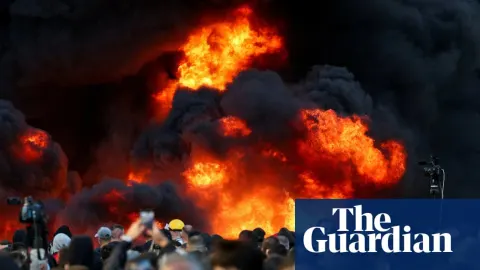
Tehran's markets closed in a state of 'watchful waiting' as Donald Trump urged restraint following Israeli strikes on Lebanon, fearing a collapse of the historic US-Iran peace deal. Despite the tension, the Toman remained remarkably stable, edging up only 0.1% as investors weigh the prospect of a diplomatic breakthrough against rising regional friction.
At time of publishing
USD
170,500
Toman
Gold 18K
17.42M
Toman / gram
Bitcoin
$63,883
US Dollar
Tether
170,687
Toman
The Diplomatic Tightrope: Trump’s Final Plea
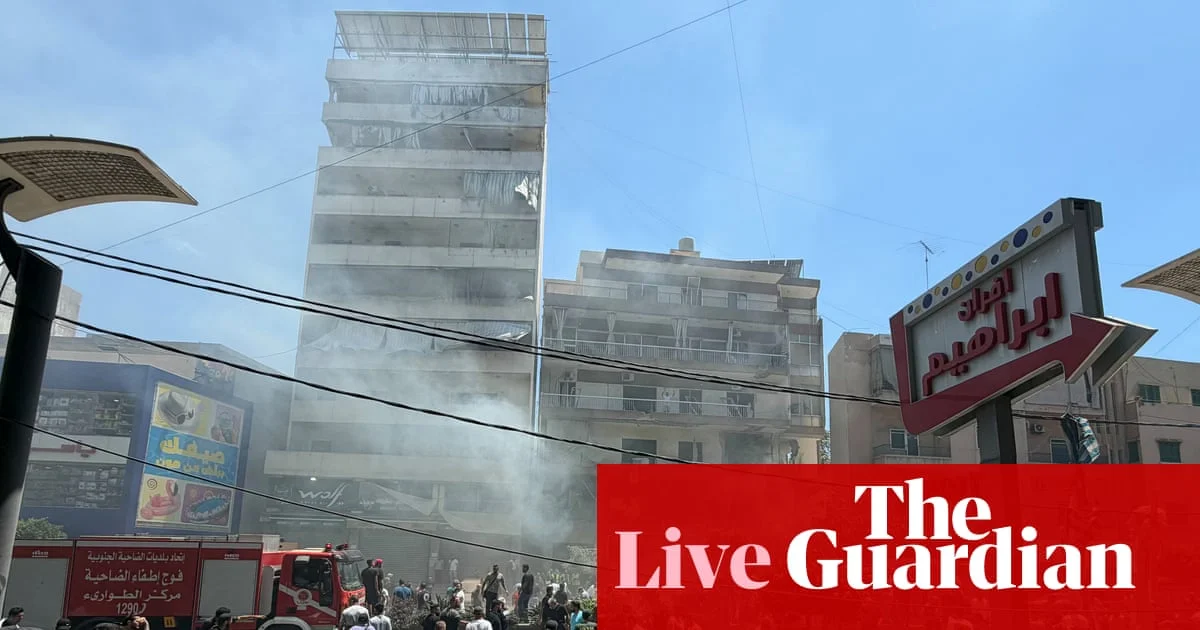
Today was supposed to be the "special day" for a signature that could redefine the Iranian economy for a decade. However, the air in Tehran’s markets tonight is thick with a mixture of hope and anxiety. Donald Trump’s warning to "not blow it" comes at a critical juncture, as Israeli airstrikes on Beirut’s Dahiyeh district threaten to derail the preliminary US-Iran peace deal. For the average Iranian, this isn't just a headline; it's the difference between a continued 170,000 Toman dollar and a potential return to economic normalcy. The US President's rare condemnation of Israeli actions suggests a desperate desire to secure this foreign policy win before his 80th birthday, even as Iranian hardliners vociferously push to reject the terms. The market’s reaction has been surprisingly disciplined. While geopolitics usually triggers a flight to safety, the USD moved from 170,300 to 170,500, a marginal +0.1% increase. This suggests that traders are pricing in a "diplomatic miracle" rather than a total collapse. Gold 18k followed a similar path, rising from 17,410,314 to 17,420,471 (+0.1%), while the Emami coin remained flat at 175,000,000 Toman. This stability indicates that the 'risk premium' has already been baked into the price, and the market is now paralyzed by the uncertainty of the next 24 hours.
Why the 'Blue-Collar' Reality Matters to You
Beyond the immediate noise of the peace deal, a quieter but equally significant story is emerging from Silicon Valley that Iranians should watch closely. The AI boom is hitting a "blue-collar" wall. While we often focus on the price of Nvidia chips or Bitcoin’s 63,883 USD level, the actual infrastructure of the future—electricians, grid engineers, and welders—is in short supply. This labor bottleneck in the West is driving up the cost of technology and energy infrastructure globally. For an Iranian economy looking to modernize post-sanctions, this means the cost of entry into the new digital age will be significantly higher than it was five years ago. Furthermore, the rejection of the Australian-backed waste project in Fiji highlights a growing global resistance to "energy imperialism." As Fiji's ambassador stated, they refuse to be the "Pacific’s ashtray." This sentiment is a mirror to the local debates in Iran regarding resource sovereignty. As we potentially re-enter global markets, the value of our energy exports will be judged not just by volume, but by environmental standards and the labor capacity to maintain them. The energy market is no longer just about pumping oil; it is about the skilled hands required to build the grids of 2026.
The Regulatory Shadow: From London to Tehran
While we watch the currency charts, a major shift in digital governance is occurring in the UK. Prime Minister Keir Starmer’s "Australia-plus" social media ban for under-16s marks a turning point in how governments interact with big tech. For Iranian entrepreneurs and parents, this signals a global trend toward more aggressive digital regulation. As the VivaTech show in Paris celebrates its 10th anniversary, the focus is shifting from "innovation at all costs" to "innovation within boundaries." This global shift will eventually influence Iranian domestic policy, especially as the country seeks to integrate its tech sector with the international community.
What does this mean for the Iranian market? It suggests that the "Wild West" era of the internet and unregulated crypto-assets is closing. Whether it's the 170,687 Toman price of Tether or the way we use social media for trade, the global tightening of digital rules will eventually hit our shores. The takeaway for tonight is clear: the peace deal is the immediate catalyst, but the structural shifts in global labor and digital regulation are the long-term tides we must learn to swim in. Investors should not just hedge against the Dollar, but prepare for a world where infrastructure and compliance are the new gold.
Frequently Asked Questions
Why did the Toman remain stable despite the strikes on Beirut?
How does the global shortage of 'blue-collar' tech workers affect Iran?
What is the significance of the UK's 'Australia-plus' social media ban for Iranians?
The Economic Ripple Effect of Geopolitical Risk
Geopolitical risk refers to the uncertainty and instability arising from political events, international relations, or potential conflicts that can significantly impact global or regional economies. When headlines warn of potential strikes or peace deals teetering, as seen with the US-Iran situation and threats concerning Beirut, markets immediately react to the heightened sense of unpredictability. This risk isn't just about military action; it encompasses diplomatic tensions, trade disputes, and even domestic political turmoil that can spill over into the economic sphere.
One of the most immediate casualties of escalating geopolitical risk is a nation's currency. In times of uncertainty, investors tend to move capital away from perceived risky assets and economies, seeking safer havens. For a currency like the Iranian Toman (or Rial), which has historically been sensitive to political developments, such warnings can trigger sharp depreciation. This happens as demand for the local currency falls, while demand for more stable foreign currencies (like the USD) or alternative stores of value increases, making imports more expensive and eroding purchasing power for ordinary citizens.
Conversely, safe-haven assets often see a surge in demand during periods of geopolitical tension. Gold, a classic example, is frequently sought after by investors looking to preserve wealth against potential economic shocks or inflation. Similarly, in economies facing severe sanctions or currency instability, cryptocurrencies like Tether can sometimes function as an alternative safe haven, offering a way to bypass traditional financial systems or hedge against local currency depreciation. The "night session" gold prices in Tehran mentioned in the keywords underscore this very dynamic, reflecting local responses to global anxieties.
Ultimately, understanding geopolitical risk is crucial for anyone trying to decipher market movements, especially in volatile regions. It highlights how political decisions and military posturing can have tangible, immediate effects on the everyday finances of individuals, from the value of their savings to the cost of goods in their local markets.