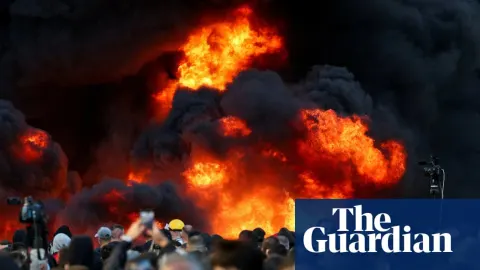
Iran's Market Slide: Currencies and Gold Retreat Amid Global Tensions
سقوط بازار ایران: کاهش ارزش ارز و طلا در میان تنشهای جهانی
Iran's currency and gold markets faced a notable retreat today. As geopolitical tensions continue, the Toman weakened and gold prices fell, impacting local buying power.
At time of publishing
USD
155,700
Toman
Gold 18K
15.94M
Toman / gram
Bitcoin
$62,640
US Dollar
Tether
156,664
Toman
What Actually Happened
Thursday's market session in Iran closed on a downward note as both the currency and gold markets saw a significant retreat. The Iranian Toman lost ground against the US dollar, moving from 156,700 to 155,700, marking a 0.6% drop in value. This weakening of the Toman comes amid ongoing geopolitical tensions, particularly highlighted by the US-Iran peace negotiations, which are yet to offer a clear resolution. Meanwhile, gold prices also fell, with the Emami coin dropping from 164,500,000 to 160,500,000 Tomans, a 2.4% decline.
These movements are not just numbers on a screen; they affect the daily lives of ordinary Iranians. A weaker Toman reduces purchasing power, making imported goods more expensive and potentially driving inflation higher. Similarly, the drop in gold prices, often seen as a safe haven, could signal reduced confidence among investors who are seeking stability amidst uncertainty.

Why This Matters
The fluctuations in Iran's financial markets reflect broader regional dynamics. The US-Iran negotiations, while a step towards peace, have not yet quelled economic anxieties. The US, according to recent statements by Vice President Vance, isn't offering financial concessions to Iran, which could prolong economic uncertainty. This situation has direct implications for Iranian consumers who rely on stable currency and gold values to maintain their savings and purchasing power.
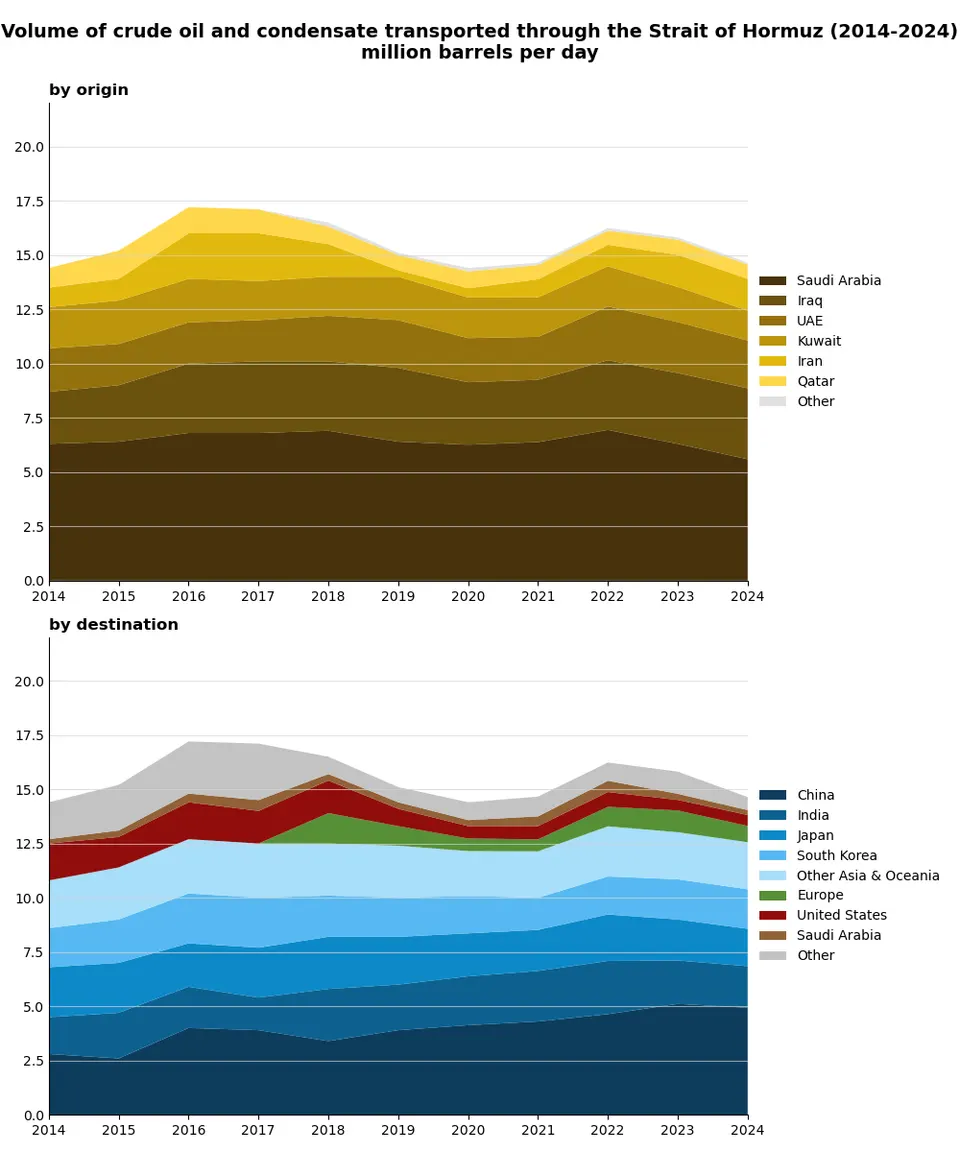
Additionally, the global oil market's response to the Middle East situation, with Brent crude prices falling below $77 per barrel, adds another layer of complexity. Iran, a significant oil exporter, may see its revenues affected, influencing national economic policies and possibly leading to further currency devaluation if the situation doesn't stabilize soon.
The Bigger Picture
The current market conditions in Iran are a microcosm of the broader geopolitical chess game unfolding in the Middle East. As the US and Iran navigate the complexities of their peace talks, the economic ramifications are felt across the region. The Iranian government's response to these market shifts will be crucial in the coming days. Measures such as monetary policy adjustments or fiscal interventions could be on the table to stabilize the Toman and reassure investors.
For everyday Iranians, the key takeaway is caution. With the currency's value in flux and gold prices unpredictable, diversifying savings and investments may be wise. Monitoring the ongoing negotiations and their outcomes will be essential for anticipating future market trends. Moreover, the global context, including oil price movements and international economic policies, will continue to play a pivotal role in shaping Iran's economic landscape.
Frequently Asked Questions
Why did the Iranian Toman weaken today?
How does a weaker Toman affect everyday Iranians?
Why did gold prices fall in Iran?
What are the implications of falling oil prices for Iran?
How should Iranians respond to these market changes?
Geopolitical Risk: How Global Tensions Shake Currencies and Gold
Geopolitical risk refers to the potential for political events—such as wars, sanctions, trade disputes, diplomatic crises, or regime changes—to disrupt international relations and, consequently, global and local economic stability. These risks introduce profound uncertainty into markets, making it difficult for investors and businesses to predict future conditions, thereby significantly influencing investment decisions, capital flows, and asset prices.
When geopolitical tensions escalate, investor confidence typically wanes, particularly in economies directly affected by or perceived to be vulnerable to these events. This often leads to capital flight, where investors move their money out of the affected country in search of safer havens. The increased selling of local assets and conversion of local currency (like the Iranian Toman) into more stable foreign currencies or other assets can lead to significant currency devaluation. This devaluation reflects a loss of trust in the local economy's stability and future prospects.
Historically, gold has served as a classic safe-haven asset, meaning investors often flock to it during times of economic and political uncertainty to preserve wealth. Its value is generally not tied to any single government or currency, making it an attractive store of value when other assets are volatile. Therefore, rising geopolitical tensions often drive up global gold prices. However, in specific, highly stressed local markets like Iran, complex internal dynamics, such as liquidity crises, government interventions, or forced selling by individuals needing cash, can sometimes lead to gold prices moving in unexpected ways, even retreating alongside currency.
Beyond currency and gold, geopolitical risk profoundly impacts a nation's broader economic landscape. It can deter foreign direct investment, disrupt supply chains, affect oil prices (especially for major producers or consumers), and complicate international trade. Negotiations, like those between the US and Iran, introduce periods of heightened volatility as markets react to every development, creating a challenging environment for businesses and individuals alike to plan and invest.