Toman Tumbles as Gold and USD Surge Amidst Global Tensions
افت تومان همزمان با جهش طلا و دلار در میان تنشهای جهانی
The Iranian Toman fell sharply today as global tensions drive up demand for gold and the US dollar. What does this mean for Iranians facing economic uncertainty?
At time of publishing
USD
180,150
Toman
Gold 18K
17.79M
Toman / gram
Bitcoin
$62,245
US Dollar
Tether
179,900
Toman
What Actually Happened
In a dramatic day for the Iranian economy, the Toman has taken a hit as global markets react to escalating geopolitical tensions. The USD/IRR exchange rate rose from 175,800 to 180,150, marking a 2.5% increase. This surge in the value of the dollar against the Toman comes amidst renewed conflict rhetoric from President Trump, who has declared the Iran ceasefire 'over' following an exchange of strikes. The uncertainty in the region has also driven the price of gold up, with 18k gold per gram increasing from 17,637,010 to 17,787,063 Tomans, a rise of 0.9%.
These developments are a direct response to the heightened tensions between the US and Iran, which have been exacerbated by recent military actions and diplomatic breakdowns. The increase in the USD and gold prices reflect a classic flight to safety, where investors seek refuge in stable currencies and tangible assets during uncertain times.
Why This Matters
For everyday Iranians, the implications of these market movements are significant. The rising value of the dollar against the Toman means that imported goods will become more expensive, exerting additional pressure on an economy already strained by sanctions and internal challenges. As the cost of living increases, families may find their purchasing power reduced, leading to tougher economic conditions.
Moreover, gold, often seen as a hedge against inflation and currency devaluation, is becoming more expensive. This could limit the ability of Iranians to protect their savings from inflation, a critical concern given the volatile economic conditions. With the Emami coin also climbing from 179,000,000 to 181,000,000 Tomans, those looking to invest in traditional safe havens might find themselves squeezed out by rising prices.

The Bigger Picture
The broader geopolitical context cannot be ignored. President Trump's actions and statements at the NATO summit, combined with his approach to the Iran ceasefire, have significant ramifications. By declaring the ceasefire over, Trump has set the stage for potential further military engagements, which could continue to destabilize the region and impact global markets.
This geopolitical uncertainty is not just a headline for Iranians but a reality impacting daily life. The potential for further sanctions, military action, or diplomatic fallout means that economic conditions could deteriorate further. Iranians must remain vigilant, as these developments could affect everything from currency stability to job security.
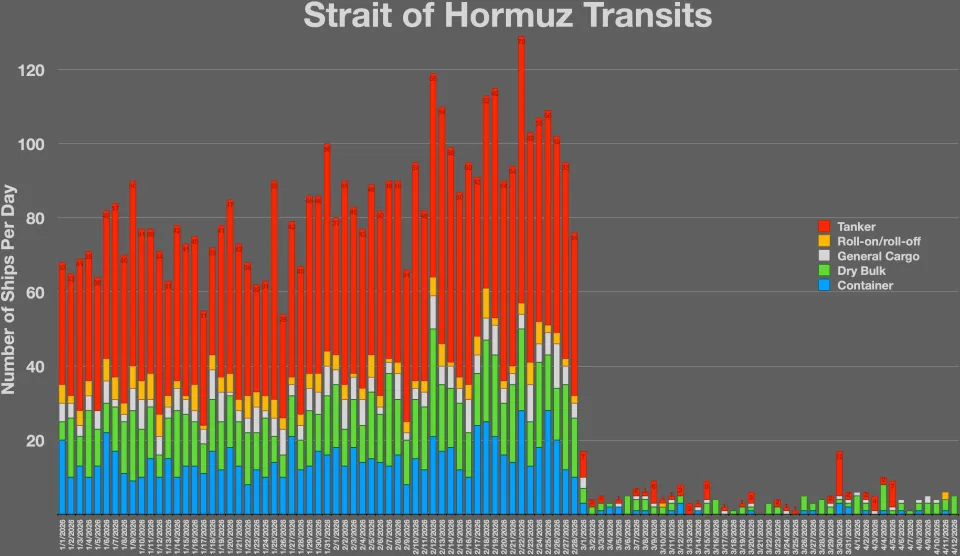
In conclusion, while today’s market movements highlight the immediate impacts of global tensions on Iran’s economy, they also serve as a reminder of the intricate interplay between geopolitics and personal finance. As Iranians brace for more turbulent times, staying informed and prepared is more critical than ever.
Frequently Asked Questions
Why did the Toman fall in value today?
How does the rising USD affect Iranian consumers?
Why is gold considered a safe haven?
What can Iranians do to protect their savings?
How are global tensions affecting Iranian markets?
The Allure of Safe Haven Assets Amidst Global Turmoil
When global tensions escalate and geopolitical uncertainty casts a shadow over markets, investors often seek refuge in what are known as "safe haven assets." These are investments that are expected to retain or even increase in value during periods of economic downturn or market volatility. The primary appeal of safe havens lies in their perceived stability and reliability when other, riskier assets are declining. This phenomenon is driven by a fundamental shift in investor sentiment from risk-taking to risk-aversion, as they prioritize capital preservation over potential growth.
Historically, gold has been the quintessential safe haven asset. Its intrinsic value, limited supply, and historical role as a store of wealth make it a preferred choice when fiat currencies or financial systems face instability. Beyond precious metals, certain major currencies also serve as safe havens. The U.S. Dollar (USD) is a prime example, often benefiting from its status as the world's primary reserve currency and the stability of the U.S. financial system. Similarly, the Japanese Yen (JPY) and Swiss Franc (CHF) are frequently sought after due to their countries' strong economic fundamentals and perceived political neutrality.
The recent headline illustrates this dynamic perfectly. As global tensions rise, the demand for gold and the U.S. Dollar surges, causing their prices to increase. Conversely, currencies of emerging markets or nations facing specific geopolitical pressures, like the Iranian Toman, tend to depreciate significantly. This depreciation reflects investors' reduced confidence in the stability of these economies and their flight towards assets perceived as more secure. The movement is a clear indicator of how geopolitical events directly translate into shifts in global capital flows and asset valuations.