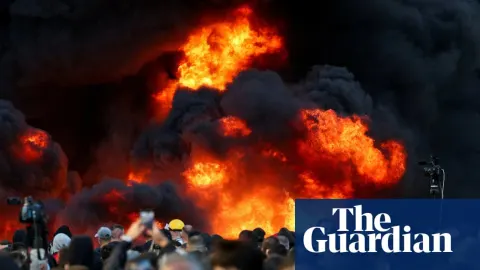
Markets Defy Mourning: Why the Rial and Gold Cooled as Tehran Gathers for the Final Farewell
آرامش بازار در روز وداع؛ چرا برخلاف انتظارات، تب دلار و طلا در تهران فروکش کرد؟
Despite the gravity of the national mourning period, the Iranian Rial saw a slight recovery as USD moved from 175,050 to 174,150 (-0.5%). We analyze why the 'fear floor' held firm and what global shifts in energy and labor mean for your long-term savings.
At time of publishing
USD
174,150
Toman
Gold 18K
17.64M
Toman / gram
Bitcoin
$63,005
US Dollar
Tether
173,800
Toman
A Quiet Close Amid National Mourning
As Tehran prepares for the funeral of the former Supreme Leader, the anticipated market volatility has, for now, failed to materialize in a destructive way. In a day marked by significant international attention—including the presence of the BBC in Tehran to cover the gathering of millions—the currency market showed surprising resilience. The US Dollar (USD) moved from 175,050 to 174,150, representing a -0.5% decrease. This cooling effect suggests that the initial shock of the political transition has been priced in, and the market is currently operating under a 'wait-and-see' protocol rather than a panic-selling spree.
Gold followed a similar downward trajectory, providing a rare breather for local buyers. Gold 18k/gram moved from 17,821,690 to 17,643,935, a notable -1.0% drop. Interestingly, the Emami coin remained perfectly flat at 177,000,000 (+0.0%), indicating that while the raw material price (gold) is softening, the psychological premium and demand for minted coins remain stubbornly high. This divergence often happens when institutional players hold their positions while retail investors hesitate to enter or exit during a period of national transition.
The Biofuel Pivot and Iran’s Energy Leverage
While domestic eyes are on Tehran, a significant structural shift is occurring in the East that every Iranian investor should monitor. Asian markets are increasingly betting on biofuels to dodge potential Middle East oil shortages. This move, driven by the need to decarbonize and secure supply chains, signals a long-term strategic threat to oil-dependent economies. If major buyers like China and India successfully diversify away from crude, the geopolitical 'oil card' that often supports the Rial's value could lose its potency over the next decade.
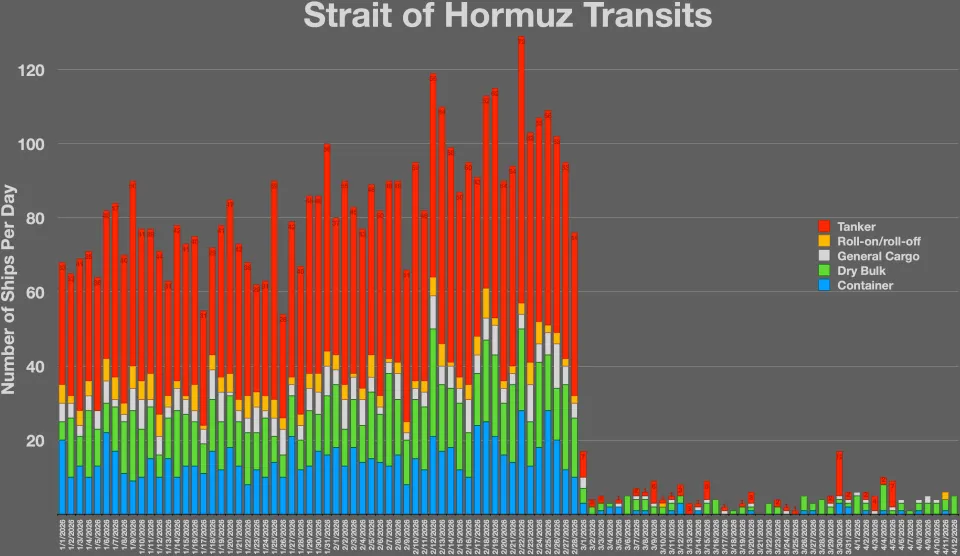
Simultaneously, the political tug-of-war in the United States over renewable energy continues. Despite the Trump administration’s previous skepticism toward wind power, courts and Congress are reportedly undoing the 'war on wind,' pushing forward with green transitions. For the Iranian reader, this isn't just about the environment; it’s about the global demand for fossil fuels. As the world builds more wind turbines and refineries for biofuels, the long-term price ceiling for oil—and by extension, Iran's primary source of hard currency—is being lowered by technological progress and judicial persistence.
Lessons from the 'Walmart Retired': Protecting Your Future
There is a sobering lesson for Iranian savers in recent headlines from the US labor market. A 76-year-old American worker recently shared their struggle of working at Walmart despite claiming Social Security at 62, only to find that payroll taxes still eat into their meager earnings. This story resonates deeply in Iran, where inflation often outpaces pension increases, forcing retirees back into the informal labor market. It highlights a universal truth: relying on state-managed systems or static cash savings is a high-risk strategy in an era of global monetary expansion.
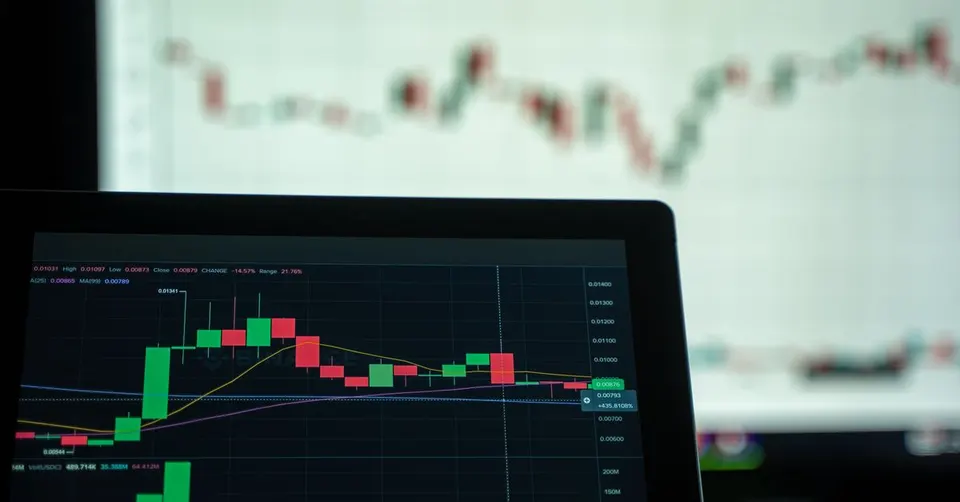
This is precisely why Bitcoin and Gold remain the primary 'exit ramps' for those looking to preserve wealth. Bitcoin currently sits at $63,005, showing stability despite warnings of increased exchange deposits and potential volatility. For the Iranian household, the takeaway is clear: as the Rial fluctuates and global energy markets evolve, diversification into assets that exist outside the traditional banking system—be it physical gold or digital assets—is no longer a luxury, but a necessity for survival in the 2026 economic landscape.
Watch
Iran begins public mourning for Ayatollah Ali Khamenei | BBC News
BBC News
Frequently Asked Questions
Why did the USD drop despite the political uncertainty in Iran?
Is the stagnation of the Emami Coin price a signal for buyers?
How do Asian biofuel bets affect the Iranian Rial?
What is the current outlook for Bitcoin in the Iranian market?
Political Risk and Market Resilience in Unique Economic Contexts
Understanding how financial markets react to major political events is crucial, especially in economies facing unique challenges like international sanctions. This concept, often termed Political Risk, refers to the potential for political decisions, events, or instability to affect a country's economic environment and, consequently, its markets. Typically, significant political uncertainty – such as the death of a prominent leader or a power transition – would lead to market volatility, capital flight, and currency depreciation as investors seek safer assets.
However, markets sometimes display counter-intuitive behavior, as suggested by the headline's observation of the Rial and gold prices cooling amidst national mourning in Tehran. This resilience or unexpected calm can be attributed to several factors in specific contexts. In an economy like Iran's, which is heavily influenced by sanctions and has a long history of navigating political complexities, markets may already have a high degree of political risk priced into asset values. This means that a new event, while significant, might not introduce substantially more uncertainty than what is already the baseline.
Furthermore, such markets might anticipate an orderly transition, or they could be subject to stabilization efforts by authorities to prevent panic. The lack of immediate policy shifts or a clear change in the broader political direction can also lead to a 'wait and see' approach from investors. For assets like gold, which often serve as a safe haven during crises, their cooling might indicate that the immediate perception of systemic risk did not escalate, or that local supply-demand dynamics and government controls played a more dominant role than pure geopolitical fear.
Ultimately, the interplay of pre-existing risk premiums, anticipated political continuity, and potential state intervention can lead to market reactions that defy conventional expectations. Studying these instances provides valuable insight into the complex mechanisms through which political events translate into economic outcomes, particularly in non-standard economic environments.