
USD and Gold Climb Amid Regional Tensions; Crypto Holds Steady
صعود دلار و طلا در میان تنشهای منطقهای؛ ثبات در بازار کریپتو
The Iranian Rial weakened as the USD rose to 181,100 Toman, reflecting regional instability. Gold also mirrored this climb, reaching new heights.
At time of publishing
USD
181,100
Toman
Gold 18K
17.87M
Toman / gram
Bitcoin
$62,759
US Dollar
Tether
180,009
Toman
What Actually Happened
The Iranian market experienced significant shifts today, primarily led by currency and gold movements against the backdrop of heightened regional tensions. The USD rose from 180,150 to 181,100 Toman, marking a 0.5% increase. This movement reflects the market's response to escalating geopolitical conflicts, particularly between Iran and Israel, which has kept investors on edge.
In tandem with the currency, gold prices also saw an upward trend. The price of 18k gold per gram moved from 17,787,063 to 17,874,786 Toman, a 0.5% increase. Meanwhile, the Emami coin price rose by 0.3%, demonstrating a parallel reaction to the same regional stressors. These shifts underscore a classic investor behavior where gold is seen as a safe haven amidst political uncertainty.

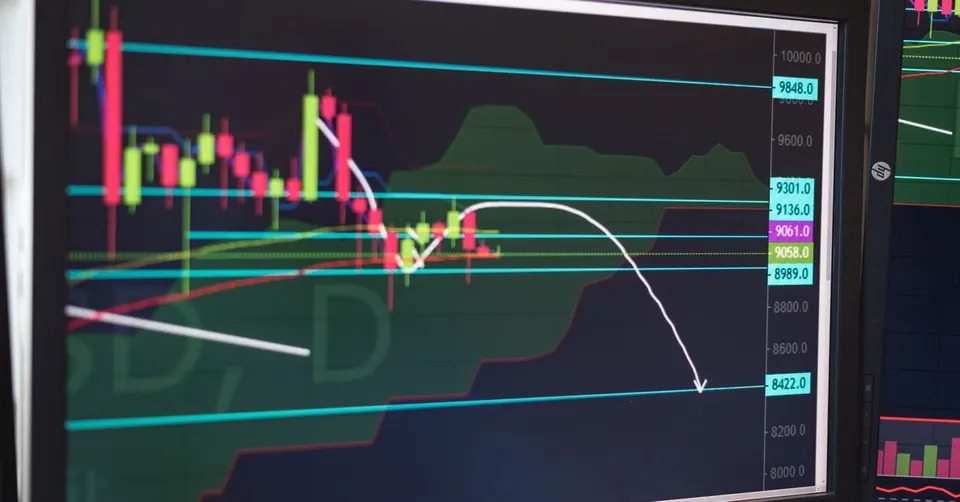
The cryptocurrency market, however, remained relatively stable. Bitcoin held its ground at $62,759, and Ethereum was priced at $1,740.43. Despite the volatility in traditional markets, crypto investors seem to be maintaining a wait-and-see approach, perhaps due to the looming $1.4 billion Bitcoin options expiry set to occur tomorrow.
Why This Matters
For everyday Iranians, the weakening of the Rial against the USD has immediate consequences. It drives up the cost of imported goods and can contribute to inflationary pressures, making daily expenses more burdensome. As goods and services become more expensive, household budgets are squeezed tighter.
Gold's rising price is a double-edged sword. While it increases the value of personal savings held in gold, it also signifies economic instability, which can erode purchasing power over time. Iranians frequently turn to gold as a hedge against currency devaluation, reflecting both a cultural and strategic financial response to uncertainty.
The resilience of cryptocurrencies amidst these changes suggests a growing confidence in digital assets as an alternative investment. This could indicate a shift in how Iranians perceive and utilize cryptocurrencies, potentially leading to greater adoption in the future.

The Bigger Picture
The broader context of these market movements is heavily influenced by the geopolitical landscape. Recent airstrikes and retaliatory actions have kept tensions high in the Middle East, particularly between Iran and its regional adversaries. This climate of uncertainty is likely to persist, affecting both local and global markets.
Internationally, markets are also reacting to U.S. Federal Reserve signals about potential energy price stabilization, even as conflicts threaten oil supply lines. The balance of power within OPEC, particularly with the UAE's recent moves, adds another layer of complexity to the energy sector's outlook.
For Iranians, these global dynamics underscore the importance of staying informed and adaptable. As geopolitical tensions evolve, so too will their impact on local economies and personal financial strategies. Keeping a close eye on currency, gold, and crypto trends is essential for navigating these turbulent times.
Frequently Asked Questions
Why did the USD price increase in Iran?
How does a rise in gold prices affect Iranian consumers?
What is the significance of stable cryptocurrency prices?
How do geopolitical tensions impact local economies?
What should Iranians watch for in the financial markets?
How International Sanctions Shape Currency Depreciation and Safe‑Haven Assets
When a country faces broad economic sanctions, its official currency often loses value rapidly. Sanctions restrict access to foreign exchange, limit trade, and deter foreign investment, creating a shortage of hard currency such as US dollars. In Iran, the rial has been under persistent pressure, prompting the government to adjust the official exchange rate and allowing a parallel market where the rial can trade at a much weaker level. This depreciation makes imported goods more expensive and erodes purchasing power, especially for households that rely on foreign‑priced items like medicine or technology.
Investors and ordinary citizens respond to this uncertainty by turning to assets perceived as stores of value. Gold, priced in US dollars, traditionally serves as a “safe‑haven” during geopolitical turmoil or currency crises. As the rial weakens and regional tensions rise, demand for gold in Iran spikes, pushing its local price upward even as the global spot price may be stable. The same logic applies to the US dollar itself, which often appreciates relative to a sanctioned currency because it remains the world’s primary reserve and trade medium.
Cryptocurrencies add a modern twist to this dynamic. While Bitcoin and other digital assets are volatile globally, they can appear attractive in sanctioned economies where traditional banking channels are blocked. In Iran, crypto exchanges have operated in a legal gray area, offering a way to bypass sanctions‑induced banking restrictions. However, the lack of regulatory clarity and the volatility of crypto markets mean that many Iranians still view them as a speculative hedge rather than a reliable store of value.
The interplay of sanctions, currency depreciation, and safe‑haven assets creates a feedback loop: as the rial falls, demand for gold and the dollar rises, which can further weaken the rial by draining any remaining foreign reserves. Understanding this mechanism helps explain why headlines frequently link a rising USD, higher gold prices, and relatively steady crypto markets during periods of heightened Middle‑East tension.