Tehran Markets Cool as Iran Vows 'Painful Response' to US Tanker Strikes; USD Dips to 225,000
عقبنشینی بازارها در اوج تنش؛ کاهش ۱.۵ درصدی قیمت سکه همزمان با هشدارهای نظامی تهران
Despite escalating military rhetoric in the Persian Gulf, Tehran's currency and gold markets saw a surprising correction today. The US Dollar moved from 226,800 to 225,000 (-0.8%), while Emami gold coins led the decline with a 1.5% drop.
At time of publishing
USD
225,000
Toman
Gold 18K
23.36M
Toman / gram
Bitcoin
$79,744
US Dollar
Tether
226,550
Toman
The Paradox of Conflict and Corrections
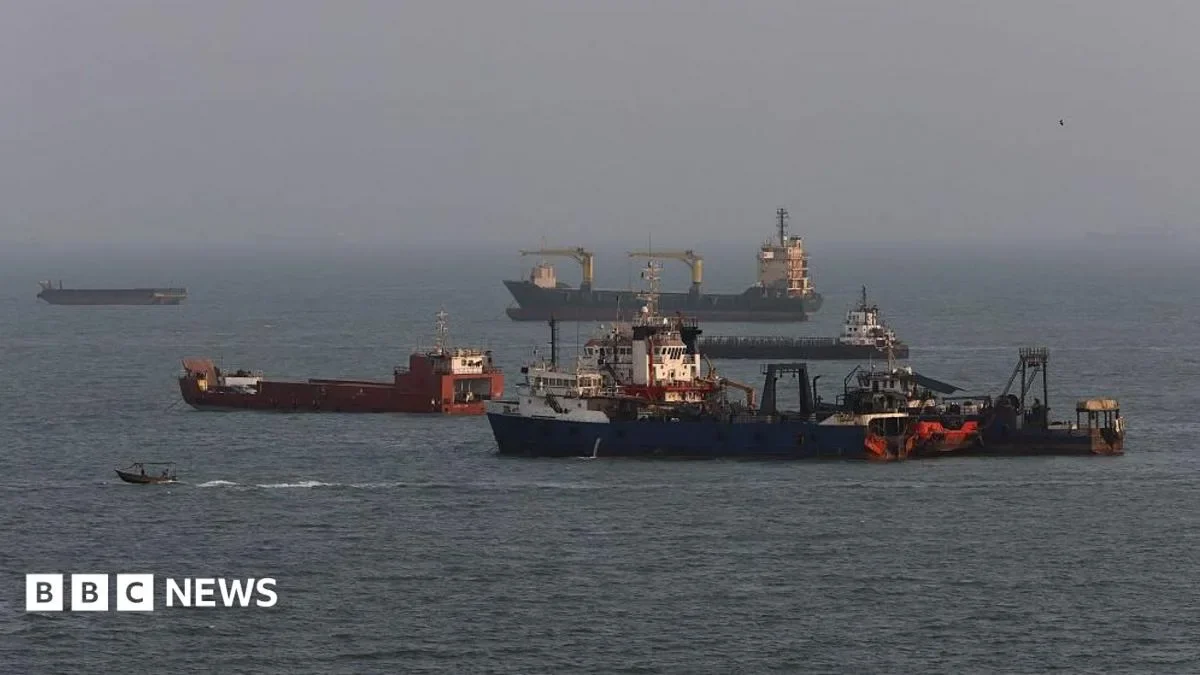
On a day dominated by aggressive headlines from the Persian Gulf, the Iranian financial markets behaved with a surprising degree of restraint. Iranian state media and officials issued warnings of a "faster, heavier, and more painful response" to recent US strikes on Iranian oil tankers. These strikes, which Washington claimed were retaliation for attacks on its warships, have pushed regional tensions to a boiling point. However, instead of the expected panic-buying, the Tehran market experienced a mild correction. The US Dollar moved from 226,800 to 225,000 Toman, marking a -0.8% decline. This suggests that much of the geopolitical risk had already been priced in during previous sessions, and traders are now engaging in profit-taking as they wait for the next concrete escalation or diplomatic signal.
For the average Iranian, this decoupling of rhetoric and price is a reminder that the market often "sells the news" of conflict. While the official stance from Tehran remains defiant, claiming that the time for proportionate retaliation is over, the liquidity in the unofficial currency market shows a cautious retreat. This could be due to a temporary exhaustion of buyers at higher levels or perhaps a belief that the current "tanker war" will remain contained within specific maritime boundaries without spiraling into a full-scale domestic economic shutdown. Nevertheless, the underlying pressure remains high, and any actual military engagement would likely reverse today's gains for the Toman instantly.
Gold and Global Macro Shifts
Gold, the traditional safe haven, also saw a cooling period in the domestic market. The Emami gold coin moved from 237,500,000 to 234,000,000 Toman, a significant -1.5% drop in a single day. This occurred even as global gold prices remained historically high at $4,431.10 per ounce. The domestic drop in gold prices is primarily a reflection of the cooling US Dollar and a reduction in the "bubble" premium that often attaches to coins during periods of extreme fear. Meanwhile, in the United States, Dow Jones futures are showing signs of volatility as investors react to the US-Iran friction, though tech giants like Nvidia and Micron are still flashing buy signals according to market analysts.
Beyond the Middle East, global energy dynamics are shifting in ways that could eventually impact Iran’s oil leverage. Colombia has recently moved to reverse its fracking ban, eyeing nearly $4 billion in new oil investment under a new right-wing administration. As more nations seek to diversify their energy sources to avoid the instability of the Persian Gulf, the long-term demand for Iranian crude—already hampered by sanctions—faces further structural challenges. This global context is crucial for Iranian investors to understand: the world is not standing still while the region remains locked in conflict, and new supply elsewhere can dampen the oil-price spikes that the Iranian government relies on for its budget.
Industrial Realities and the Crypto Frontier
While the focus remains on oil and currency, a broader industrial crisis is brewing in Europe that serves as a cautionary tale for globalized supply chains. Industry leaders in Brussels have warned that the EU faces 300,000 factory job cuts as China effectively "colonizes" European supply chains, particularly in the manufacturing sector. This shift highlights the growing dominance of Chinese manufacturing, which now enjoys a record €1 billion-a-day trade surplus with the EU. For Iran, which has increasingly leaned on China as a primary economic partner, this dominance is a double-edged sword: it provides a market for raw materials but stifles the growth of domestic high-tech manufacturing that can compete on a global scale.
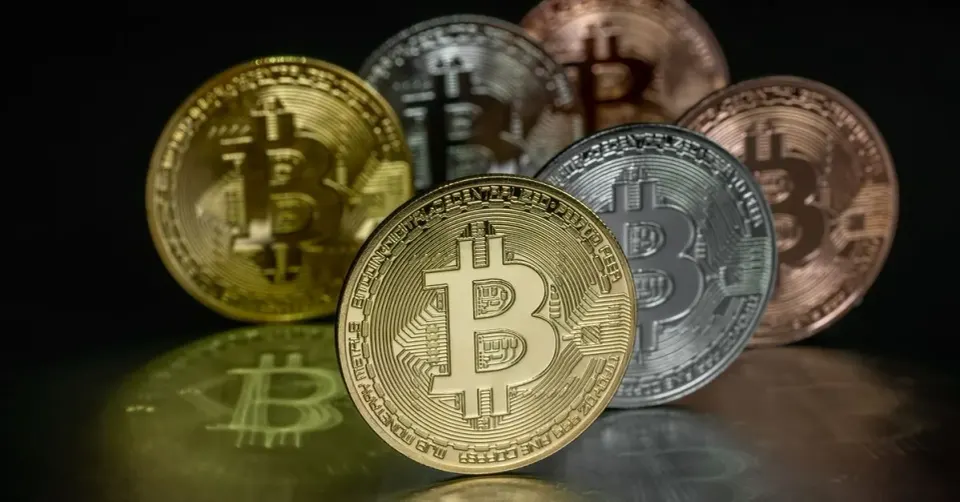
In the digital asset space, Bitcoin continues to tease the psychological barrier of $80,000, currently trading at $79,744. Despite the local Toman strengthening slightly, the interest in Tether (USDT) remains robust at 226,550 Toman, maintaining a premium over the physical greenback. This premium indicates that Iranian tech-savvy investors are still prioritizing digital portability over physical cash, especially as regional security remains unpredictable. The practical takeaway for tonight is clear: while prices have dipped, the geopolitical fundamentals have not improved. This correction should be viewed as a breathing spell rather than a trend reversal, and maintaining a diversified portfolio that includes both gold and digital assets remains the most prudent hedge against the looming "painful response" promised by officials.
Watch
We will ‘DESTROY’ Iran’s oil fleet: CENTCOM commander WARNS regime after strikes
Fox News
Frequently Asked Questions
Why did the Dollar and Gold prices drop despite the news of US attacks on Iranian tankers?
What is the significance of Bitcoin's current price of $79,744 for Iranian investors?
How does Colombia's move to reverse its fracking ban affect the Iranian economy?
Geopolitical Risk and its Ripples in Financial Markets
Geopolitical risk refers to the potential for political instability, international tensions, conflicts between nations, or significant shifts in global power dynamics to disrupt the normal course of economic activity. It encompasses a wide array of events, from wars and terrorist attacks to trade disputes and sanctions, all of which introduce a profound level of uncertainty into the global economic landscape. This uncertainty is a primary driver of market volatility, as investors struggle to price in potential future scenarios that are inherently unpredictable.
One of the most immediate and sensitive areas affected by geopolitical risk is the currency market. When geopolitical tensions escalate in a particular region, investors often become wary of holding assets denominated in the local currency. This apprehension can trigger capital flight, where investors move their funds out of the affected country and into perceived safe-haven currencies like the US Dollar, Japanese Yen, or Swiss Franc. Such a mass exodus of capital typically leads to a depreciation of the local currency's value against these safe havens, as demand for the local currency plummets. While specific market reactions can be complex and influenced by local factors, interventions, or short-term dynamics, the overarching trend is increased volatility and a re-evaluation of risk.
Beyond currency, geopolitical risk sends ripples across all financial markets. Stock markets in affected regions, and often globally, tend to "cool" or decline as investor confidence wanes and the outlook for corporate earnings becomes clouded. Commodity markets are particularly sensitive; for instance, oil prices can surge due to fears of supply disruptions in energy-rich regions, while gold, historically seen as a safe-haven asset, often sees its price rise as investors seek a store of value amidst turmoil. The "Emami coin price drop" mentioned in the keywords could be a local manifestation of this broader market cooling.
The headline regarding Iran's vows of response to US tanker strikes perfectly illustrates the concept of geopolitical risk in action. Such threats immediately heighten tensions, creating uncertainty about future trade routes, energy supplies, and regional stability. Markets react by adjusting asset prices to reflect this increased risk. Even if specific currency movements, like the temporary dip of the USD against the IRR, might be influenced by unique local market conditions or interventions, the underlying driver is the pervasive sense of uncertainty and potential disruption stemming from geopolitical events.
Ultimately, understanding geopolitical risk is crucial for investors, businesses, and policymakers alike. It highlights how political events, far removed from daily economic indicators, can profoundly and swiftly alter financial market dynamics, investment decisions, and the overall economic outlook. Monitoring these global tensions is not merely a matter of international relations; it is a fundamental aspect of economic forecasting and risk management in an interconnected world.