Hormuz Tensions Drive Toman Down, Gold Up Amid Saudi Tanker Attack Claims
تنش در هرمز، ریال را تضعیف و طلا را گران کرد؛ ادعای حمله به تانکر سعودی، بازار را ملتهب ساخت
Iranian markets closed Wednesday under the shadow of escalating regional tensions, with the Toman depreciating significantly against the dollar and gold prices soaring. A reported attack on a Saudi oil tanker in the Strait of Hormuz, coupled with ongoing U.S.-Iran strikes, has fueled investor uncertainty and driven demand for safe-haven assets.
At time of publishing
USD
221,900
Toman
Gold 18K
22.78M
Toman / gram
Bitcoin
$77,144
US Dollar
Tether
219,998
Toman
What Actually Happened
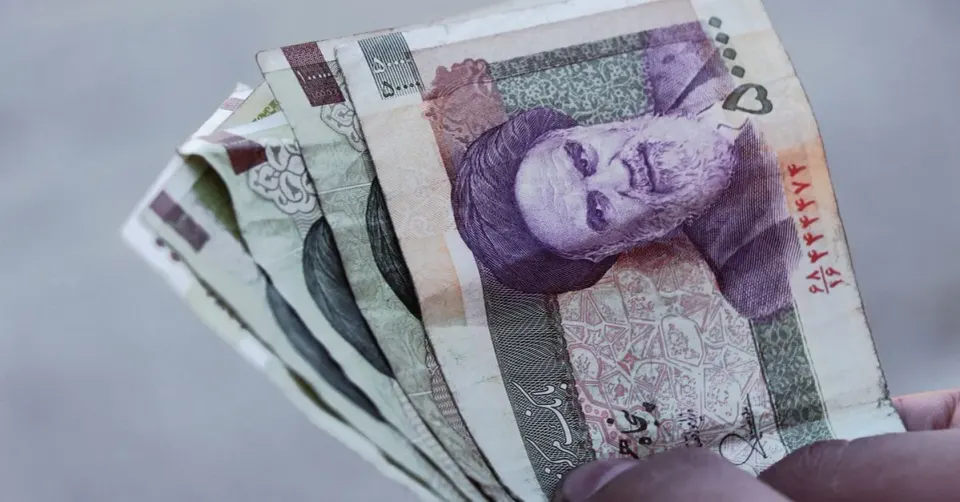
Wednesday's market session saw significant volatility, largely driven by heightened geopolitical tensions in the region. The U.S. dollar rose sharply against the Iranian Toman, moving from 215,900 to 221,900 Toman, marking a notable 2.8% increase over 24 hours. This immediate depreciation of the national currency often signals a flight to safety, as individuals and businesses seek to protect their wealth by converting Toman into more stable foreign currencies amid uncertainty.
In parallel, the gold market also experienced a substantial rally, reflecting its traditional role as a hedge against inflation and geopolitical risk. Gold 18k per gram surged from 22,173,230 Toman to 22,784,985 Toman, an increase of 2.8%. Similarly, the Emami coin, a popular investment vehicle in Iran, jumped from 221,500,000 Toman to 228,000,000 Toman, showing a 2.9% rise. These movements underscore a clear market reaction to the unfolding regional events, as investors sought refuge in tangible assets perceived as less susceptible to political instability and currency devaluation.
Why This Matters
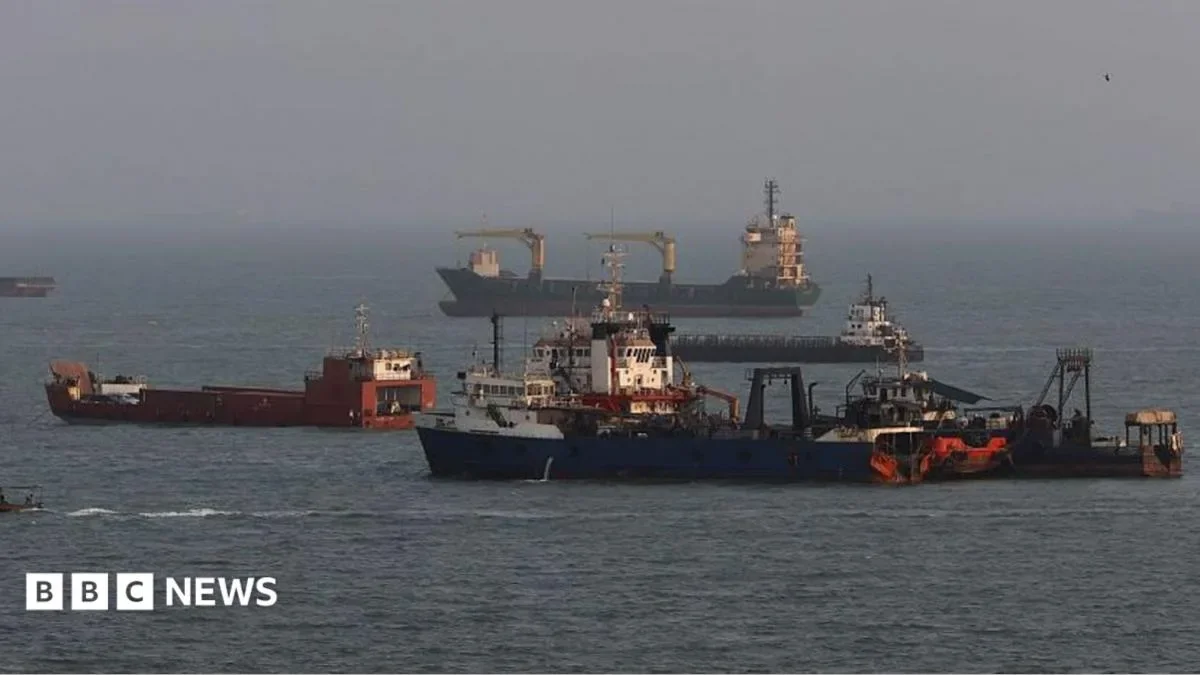
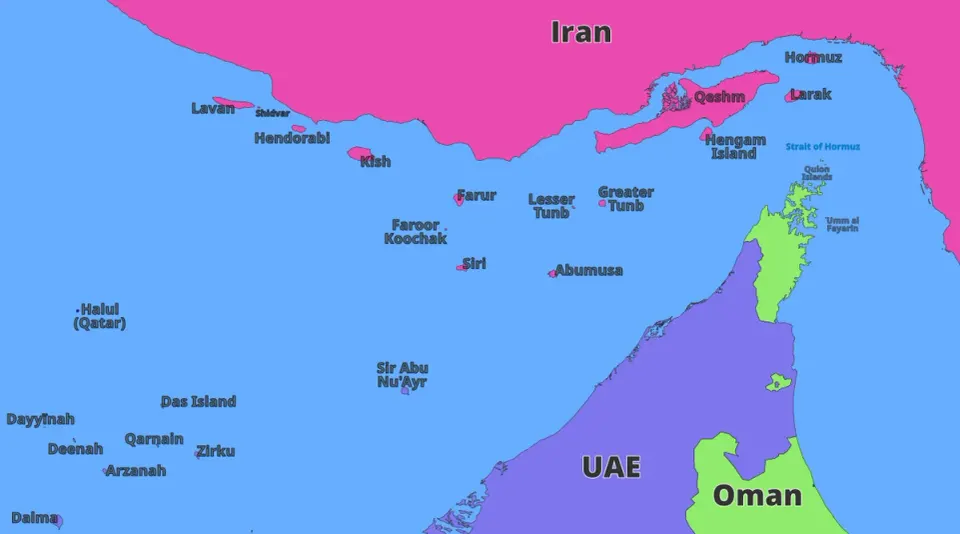
The primary catalyst for today's market shifts appears to be the escalating tensions in the Persian Gulf. Saudi Arabia has accused Iran of attacking a Saudi oil tanker, the Bahri-owned Sidr, in the Strait of Hormuz, claiming the incident resulted in the deaths of two Filipino sailors. This accusation, if proven, represents a serious escalation that directly threatens global energy supply routes, as the Strait of Hormuz is a critical chokepoint for a significant portion of the world's oil shipments. Such events invariably lead to increased risk premiums on oil, which can translate into higher energy costs for Iranian consumers and businesses, further fueling domestic inflation.
Adding to the instability, reports from the New York Times indicate that the U.S. and Iran are surveying damage after a night of intense strikes, with the American military claiming retaliation for recent attacks on U.S. forces and marine traffic. Iranian officials, however, claimed a wedding was hit and civilians were killed. This exchange of strikes exacerbates an already fragile regional security landscape, making investors, both domestic and international, extremely cautious. For everyday Iranians, this heightened geopolitical risk directly impacts their purchasing power, as the Toman weakens and the cost of imported goods, tied to the dollar, increases. The decision by OPEC+ to hold oil output steady, as reported by OilPrice, further highlights the market's sensitivity to supply disruptions amid these tensions, potentially creating upward pressure on crude prices that could both help and hurt Iran's economy depending on its export capabilities and sanctions regime.
The Bigger Picture
The current geopolitical climate is creating a challenging environment for Iran's economy. The persistent threat of regional conflict, particularly involving critical shipping lanes like the Strait of Hormuz, introduces immense uncertainty for trade, investment, and the overall economic outlook. Beyond the immediate impact on currency and gold, such instability can deter foreign investment, disrupt supply chains, and complicate efforts to manage inflation. The global bond market is also experiencing a sell-off, partly attributed to the 'Iran war' increasing energy costs and overturning earlier hopes of falling global inflation and interest rates, as noted by The Guardian. This broader global risk aversion further limits options for capital flow into emerging markets like Iran.
Looking ahead, the trajectory of the Toman and gold prices will remain highly sensitive to further developments in the region. Any de-escalation of tensions could provide some relief, potentially stabilizing the currency and moderating gold prices. Conversely, continued escalation, new sanctions, or direct military confrontations could lead to further depreciation of the Toman and a sustained rally in gold. For Iranians, closely monitoring these geopolitical events and understanding their direct link to market movements is crucial for making informed financial decisions in these volatile times. The U.S. political landscape, with figures like Hakeem Jeffries vowing 'serious response' amid rising Mideast tensions, also adds a layer of uncertainty regarding future policy directions that could impact Iran.
Frequently Asked Questions
چرا قیمت دلار و طلا امروز با چنین رشد چشمگیری مواجه شد؟
حمله به تانکر در تنگه هرمز چه تاثیری بر اقتصاد ایران دارد؟
آیا تصمیم اوپک پلاس برای ثابت نگه داشتن تولید نفت، به افزایش قیمتها کمک میکند؟
چگونه میتوانم در برابر نوسانات شدید بازار از داراییهایم محافظت کنم؟
چشمانداز بازار ارز و طلا در روزهای آینده چگونه خواهد بود؟
Understanding Geopolitical Risk and its Market Impact
Geopolitical risk refers to the potential for political events, conflicts, or instability between nations or regions to disrupt the global economy and financial markets. These events can range from military confrontations, terrorist attacks, and trade wars to political coups and major policy shifts. Unlike purely economic risks, geopolitical risks are often unpredictable and can escalate rapidly, creating widespread uncertainty that prompts investors to re-evaluate their strategies and asset holdings.
One immediate effect of heightened geopolitical risk is often felt in currency markets, particularly in countries directly involved or those perceived as vulnerable. As investors become wary of potential instability or sanctions, they tend to withdraw capital from the affected region, selling off local assets and converting local currency into more stable foreign currencies. This capital flight increases the supply of the local currency on international markets, leading to its depreciation, as seen with the Toman in the headline's context. A weaker currency can exacerbate inflation and make imports more expensive, further straining the domestic economy.
Conversely, periods of geopolitical tension typically drive up the demand for "safe-haven assets." These are investments that are expected to retain or increase in value during times of market turmoil and uncertainty. Gold is a classic example of a safe-haven asset, prized for its historical role as a store of value and its perceived independence from government policy or financial system stability. When geopolitical risks rise, investors flock to gold, driving up its price as they seek to protect their wealth from potential economic fallout or currency devaluation. Other safe havens can include certain government bonds (like U.S. Treasuries) or strong, stable currencies (like the U.S. dollar or Swiss franc).