Toman Slides as Gold Dips: Czech Fuel Caps and Yemen Tensions Weigh on Iranian Markets
سقوط تومان و افت طلا: سقفگذاری سوخت در چک و تنش یمن بر بازارهای ایران سایه انداخت
The Iranian Toman experienced a notable decline today, with the USD/IRR rate falling below 229,700. This, coupled with a significant drop in gold prices, suggests a shifting risk appetite. External factors, including European energy policy and regional geopolitical tensions, are increasingly influencing domestic market sentiment.
At time of publishing
USD
229,700
Toman
Gold 18K
23.63M
Toman / gram
Bitcoin
$85,906
US Dollar
Tether
228,642
Toman
What Actually Happened
The Iranian Toman saw a significant depreciation today, with the USD/IRR exchange rate closing at 229,700 Toman per dollar, down from its previous close. This marks a -0.5% change over the past 24 hours, indicating a weakening of the national currency against the greenback. Concurrently, the domestic gold market experienced a sharp correction. The Emami coin plummeted by 2.1%, settling at 234,000,000 Toman, and 18-karat gold per gram saw a 1.6% decrease, closing at 23,627,591 Toman. These movements suggest a broader trend of investors moving away from traditional safe-haven assets within Iran.
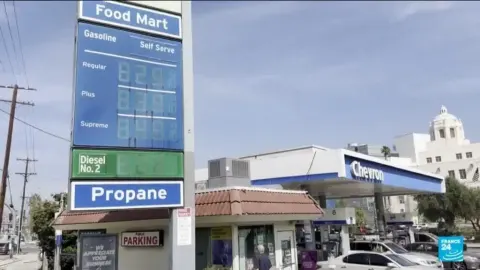
On the international stage, the Czech Republic has announced measures to cap fuel prices and tax refiners on excess profits. Starting October 1st, gasoline and diesel prices will be capped daily, with refiners facing taxes on margins exceeding certain levels. This move by Prague comes as Saudi Arabia's reduced crude allocations to Europe and disruptions in the Strait of Hormuz continue to put pressure on energy supplies. Meanwhile, Ansarullah leader Abdul-Malik al-Houthi declared that the Yemen revolution has secured independence and freedom, framing it as a step towards ending US domination. These external developments, while seemingly distant, often ripple through global markets and can influence investor sentiment and currency valuations in Iran.
Frequently Asked Questions
What caused the Toman to depreciate today?
Why did gold prices fall significantly?
How do European fuel caps and Yemen tensions affect Iran?
What is the significance of the Czech Republic's fuel price caps?
The Interplay of Geopolitics, Commodity Prices, and Currency Value with Safe-Haven Assets
The headline "Toman Slides as Gold Dips: Czech Fuel Caps and Yemen Tensions Weigh on Iranian Markets" highlights a critical economic phenomenon: the intricate relationship between geopolitical events, global commodity prices, and the stability of national currencies, often driving demand for safe-haven assets like gold. A nation's currency value is a barometer of its economic health and perceived stability. When factors like regional conflicts or international sanctions create uncertainty, they can erode investor confidence and impact trade, leading to a depreciation of the local currency.
Geopolitical instability, such as the "Yemen Tensions" mentioned, introduces significant risk into global markets. For countries like Iran, which often face external pressures and sanctions, such tensions can exacerbate existing economic vulnerabilities. Increased risk perception deters foreign investment, makes international trade more challenging, and can directly affect a country's export revenues or import costs, all of which put downward pressure on the national currency, in this case, the Iranian Toman (USD/IRR).
Simultaneously, global commodity price fluctuations, influenced by events like "Czech Fuel Caps" or broader shifts in "Global Energy Markets," play a crucial role. For commodity-exporting nations, higher prices can boost government revenues, but for importers, they mean increased costs. Unpredictable swings in these prices create economic uncertainty, further influencing currency values. When a national currency weakens significantly, its purchasing power diminishes, and the cost of imported goods, including essential commodities, rises, potentially fueling inflation.
In times of currency depreciation and heightened economic uncertainty, individuals and investors often seek to preserve their wealth by turning to safe-haven assets. Gold, historically revered for its intrinsic value and perceived stability, serves as a prime example. Assets like the "Emami Coin" in Iran become attractive alternatives to a depreciating currency, as they are seen as a hedge against inflation and economic volatility. While the headline mentions "Gold Dips," this can sometimes be a short-term market anomaly or a localized dynamic; the general principle is that gold tends to appreciate when currencies falter and economic outlooks are grim, acting as a reliable store of value. Understanding this interplay reveals how seemingly distant geopolitical events and global market dynamics can profoundly affect everyday economic realities, from the value of one's savings to the price of goods, compelling a deeper look into the interconnectedness of the global economy.