Regional Tensions and US Diesel Prices See Toman and Gold Dip Slightly
افت جزئی ارز و طلا در سایه تنشهای منطقهای و رکورد قیمت دیزل آمریکا
Today's market saw a slight dip in the Toman against the USD and a modest decline in gold and coin prices, reflecting a complex interplay of global energy concerns and regional geopolitical shifts. With US diesel prices hitting new highs and Saudi oil deliveries disrupted, the ripple effects are being felt, even as crypto markets face fresh scrutiny over alleged sanctions evasion.
At time of publishing
USD
230,800
Toman
Gold 18K
23.25M
Toman / gram
Bitcoin
$76,466
US Dollar
Tether
230,484
Toman
What Actually Happened
Today's market session closed with a notable, albeit slight, downward movement across key assets. The US Dollar, which had traded at 231,200 Toman at the open, settled at 230,800 Toman, marking a modest -0.2% decline. Similarly, the price of 18k gold per gram saw a minor dip, moving from 23,292,857 Toman to 23,246,687 Toman, also a -0.2% change. The Emami coin, however, experienced a more pronounced fall, dropping from 234,000,000 Toman to 231,500,000 Toman, a significant -1.1% decrease over the past 24 hours. These movements unfolded against a backdrop of intensifying global energy market volatility and escalating regional geopolitical tensions that continue to shape investor sentiment.
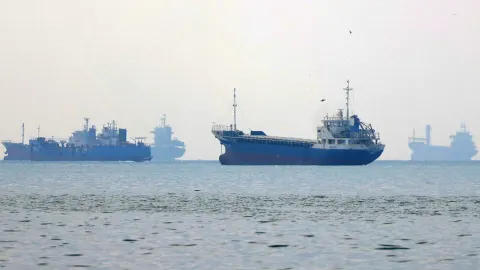
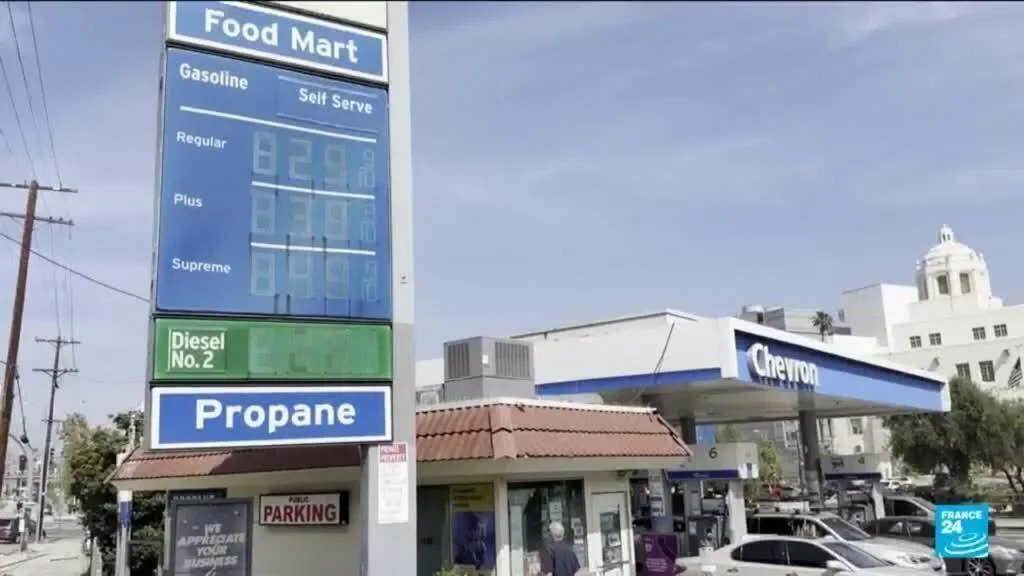
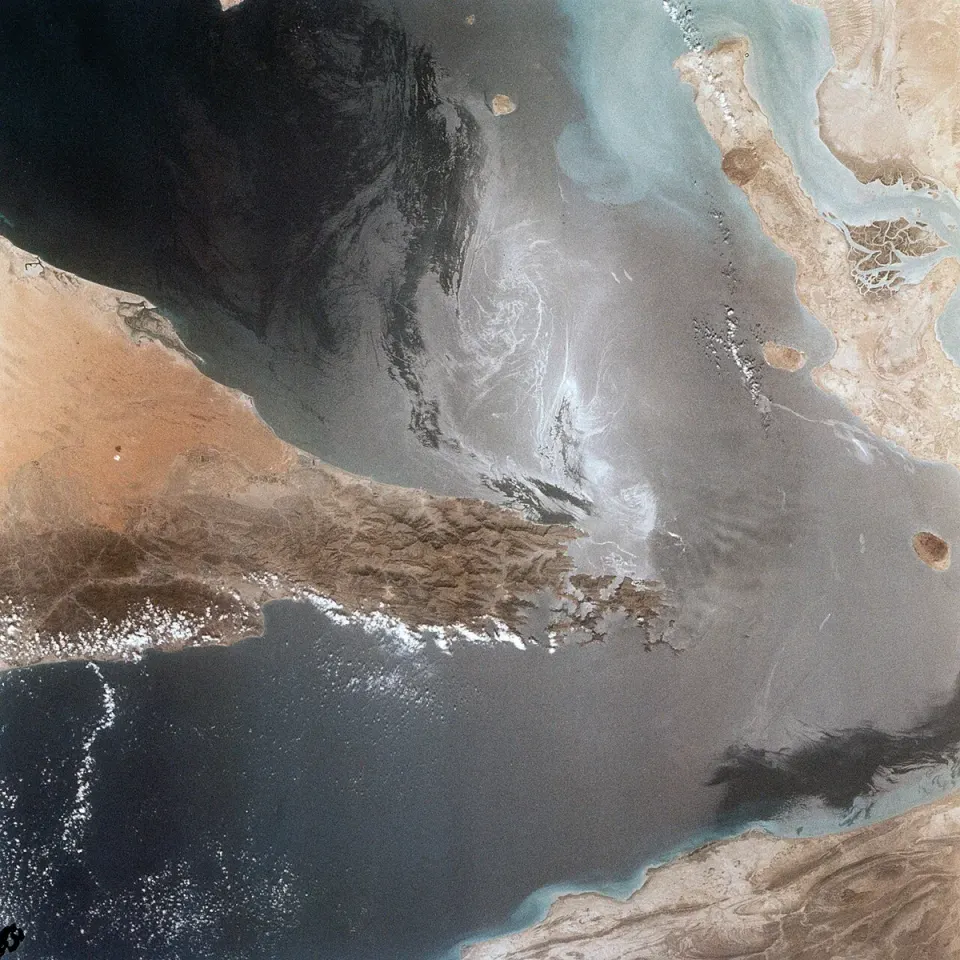
Globally, the energy sector remains a focal point, with US diesel prices hitting a new record high of just under $6.27 a gallon. This surge, as reported by France 24, has drawn political commentary, with President Donald Trump attempting to deflect blame towards Kyiv for attacks on Russian oil refineries, while downplaying the impact of Washington's conflict with Iran [1]. Further exacerbating supply concerns, Saudi Aramco has reportedly canceled or delayed crude deliveries to European refiners following the shutdown of its critical East-West pipeline, a route designed to bypass the Strait of Hormuz. This pipeline has been offline since an attack on September 10, highlighting the fragility of global energy supply chains [13]. Adding to the regional instability, Yemen's Iran-aligned Houthis claimed new attacks on Saudi targets and announced the seizure of strategic Red Sea islands, further bolstering their control over vital maritime shipping routes [10]. Meanwhile, the crypto sphere saw direct implications for Iran, with US prosecutors seeking the forfeiture of $61 million in cryptocurrency allegedly linked to an Iranian oil scheme, involving two Chinese companies and Binance accounts used to launder oil proceeds for the Iranian government and military [0].
Why This Matters to Iranians
The confluence of these global and regional events has direct and indirect implications for everyday Iranians, influencing currency expectations, trade dynamics, and overall economic confidence. The record-high US diesel prices, coupled with Saudi Aramco's supply disruptions and Houthi actions in the Red Sea, signal a tightening global oil market. While higher oil prices could theoretically benefit Iran's sanctioned oil exports, the reality is that the effectiveness of international sanctions severely limits the country's ability to capitalize fully on such surges. Instead, the persistent volatility and supply uncertainty contribute to a broader climate of economic instability, which often translates into pressure on the Toman and gold prices, even if today saw a slight reprieve.
Furthermore, the US pursuit of $61 million in crypto linked to alleged Iranian oil schemes underscores the increasing global scrutiny on alternative financial channels used to circumvent sanctions. This development sends a clear message about the risks associated with using cryptocurrencies for such purposes, potentially impacting individuals and entities in Iran who rely on digital assets for international transactions or as a store of value. The ongoing pressure on these financial lifelines can lead to higher transaction costs, reduced accessibility, and increased risk for those navigating the complex landscape of international finance under sanctions. The Pentagon's confirmation of US munitions shortfalls, attributed to a 'war with Iran' scenario, further exacerbates regional tensions and contributes to a sense of elevated geopolitical risk [12]. This perception of heightened risk can deter foreign investment, encourage capital flight, and put downward pressure on local asset values, including the Toman and precious metals.
The Bigger Picture and What to Watch
While today's market saw a slight cooling in USD and gold prices, the underlying currents suggest continued volatility driven by persistent geopolitical and energy market factors. The global energy landscape, marked by record US diesel prices, Saudi supply chain vulnerabilities, and the Houthis' strategic moves in the Red Sea, will remain a critical determinant of global inflation and, by extension, the perceived value of hard assets like gold. For Iranian investors, monitoring these international oil market dynamics is crucial, as they indirectly influence domestic commodity prices and the broader economic outlook, even under the constraints of sanctions.
The intensified focus on crypto-related sanctions enforcement, as evidenced by the $61 million forfeiture case, indicates a hardening stance against methods used to bypass financial restrictions. This trend demands vigilance from anyone involved in Iran's digital economy, highlighting the need for careful risk assessment and compliance awareness. Looking ahead, the interplay between regional military postures, global energy supply, and the ongoing enforcement of international sanctions will largely dictate the direction of the Iranian market. Investors should consider a diversified approach, prioritizing assets that offer relative stability or act as a hedge against inflation, while remaining acutely aware of the rapidly evolving geopolitical landscape. Staying informed on these developments is not merely an academic exercise; it is essential for protecting and growing one's wealth in a challenging economic environment.
Watch
US diesel prices hit new record high as Trump seeks to blame Kyiv • FRANCE 24 English
FRANCE 24 English
Frequently Asked Questions
How do record US diesel prices affect Iran's economy?
What is the significance of the Houthi actions in the Red Sea for Iranian markets?
How does the crypto forfeiture impact individuals in Iran using digital currencies?
Why did gold and coin prices drop today despite regional tensions?
What are the key factors for Iranian investors to watch in the coming days?
Understanding Iran’s Exchange Rate Regime and Its Market Impact
Iran’s foreign‑exchange market is famously complex, operating with multiple official and unofficial rates for the Iranian rial (IRR) against the US dollar. The “official" rate is set by the Central Bank of Iran (CBI) for government transactions, while a parallel market—often called the “free" or “black" market—reflects supply‑and‑demand dynamics among traders, importers, and investors. This dual‑rate system creates a spread that can exceed 100 % during periods of sanctions pressure or oil‑price volatility, directly influencing the price of imported goods such as diesel and the valuation of assets like gold in tomans.
The mechanics behind the spread are rooted in Iran’s exchange‑rate regime, which blends elements of a fixed (pegged) rate for official purposes with a managed float for the market rate. The CBI intervenes by buying or selling dollars to keep the official rate stable, but limited foreign‑currency reserves mean that the market quickly diverges when demand outpaces supply. Consequently, businesses that rely on imported fuel must convert at the higher market rate, raising the cost of US diesel and other petroleum products, while households see the purchasing power of the toman erode.
Because gold is priced internationally in dollars, the rial‑dollar gap also feeds into domestic gold prices. When the market rate weakens, gold becomes more expensive in tomans, prompting many Iranians to view gold as a hedge against currency depreciation. However, the same dual‑rate environment can cause sharp, short‑term price swings, as speculative trading in the parallel market reacts to news about sanctions, oil revenues, or Central Bank policy.
Understanding this regime is crucial for investors and policymakers alike. A move toward a single, market‑determined exchange rate—as the CBI has signaled in recent reforms—could narrow the spread, improve price transparency for diesel and other imports, and reduce the incentive for black‑market arbitrage. Yet such a transition also carries risks of short‑term inflation spikes if the new market rate initially settles at a much weaker level than the official peg.