Trump Rebuffs Cease-Fire as Toman Edges Higher; Araghchi Awaits 'Official' Word
رد پیشنهاد آتشبس توسط ترامپ و نوسان محدود دلار؛ عراقچی همچنان منتظر پاسخ رسمی است
Despite a blunt public rejection from Donald Trump regarding a proposed cease-fire, Tehran remains in a 'wait-and-see' mode, causing the Toman to slip 0.4% today. We break down why the market isn't fully pricing in a total diplomatic breakdown yet.
At time of publishing
USD
235,700
Toman
Gold 18K
23.93M
Toman / gram
Bitcoin
$84,423
US Dollar
Tether
235,970
Toman
The Iranian Toman experienced a slight downward correction in the Sunday night session, with the US Dollar moving from 234,700 to 235,700 Toman, a 0.4% increase. This movement comes as the market processes a complex web of diplomatic signals. While Donald Trump publicly rebuffed a cease-fire offer, Iranian Foreign Minister Abbas Araghchi stated that Tehran is still awaiting an 'official' response. Araghchi noted that a history of contradictory messaging from the U.S. administration means that public rhetoric might not represent the final diplomatic position. For the average Iranian, this means the 'Trump risk' is being priced in incrementally rather than in one sudden shock, as traders look for concrete policy shifts rather than campaign-style soundbites.
The Diplomatic 'No' That Markets Aren't Buying Yet
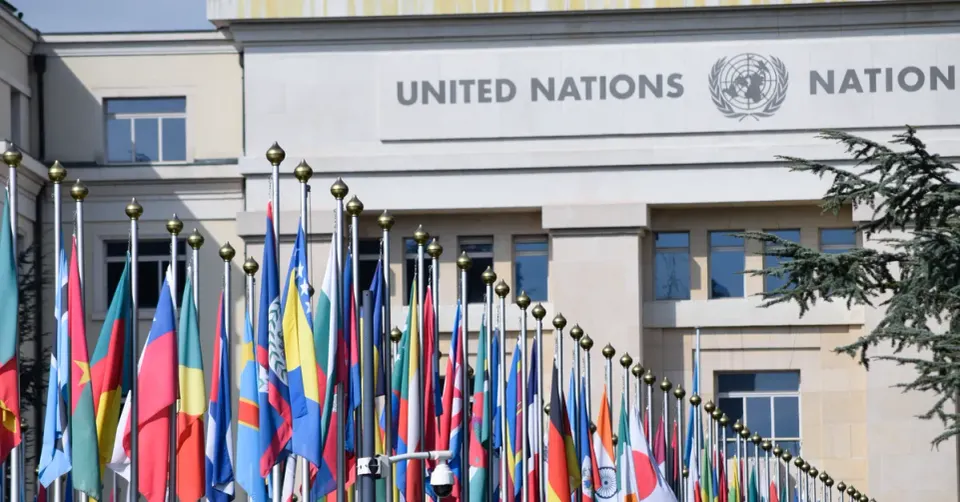
The tension between public statements and private negotiations is currently the primary driver of volatility. While Mike Waltz, the U.S. Ambassador to the UN, claimed that Iran was not negotiating 'in good faith' and was asking for too much relief upfront, the Iranian side appears to be betting on a more pragmatic outcome. Waltz echoed Trump’s stance that the current economic blockade is essential to force Iran to stop its activities in the Strait of Hormuz. However, the market’s reaction—a modest 0.4% rise in the dollar—suggests that investors are not yet convinced that the door to a deal is permanently shut. If the market truly believed a full-scale escalation was inevitable, we would likely see much sharper spikes in the currency rate.
This 'wait-and-see' approach is reflected in the gold market as well. Gold 18k moved from 23,858,442 to 23,927,697 Toman (+0.3%), tracking the currency move but showing a degree of hesitation. The real action was in the Emami coin, which rose from 238,500,000 to 240,500,000 Toman (+0.8%). The higher delta in the coin market suggests that retail investors are seeking physical hedges against geopolitical uncertainty, even if the professional currency traders are staying relatively cautious. This divergence shows that while the big money is waiting for 'official' words, the public is already buying insurance against a potential diplomatic failure.
The Strait of Hormuz: A Battle of Narratives
Geopolitics took center stage today as Parliament Speaker Mohammad Bagher Ghalibaf mocked U.S. assertions that Iran does not control the Strait of Hormuz. Ghalibaf claimed that 'market pricing tells a different story,' implying that the cost of shipping and insurance in the region reflects Tehran's strategic leverage. This rhetorical sparring is more than just talk; it directly impacts the 'geopolitical premium' added to the Toman. When officials on both sides trade barbs over the world's most important oil chokepoint, it creates a floor for the dollar price, making it difficult for the Toman to regain any significant ground even during periods of relative calm.
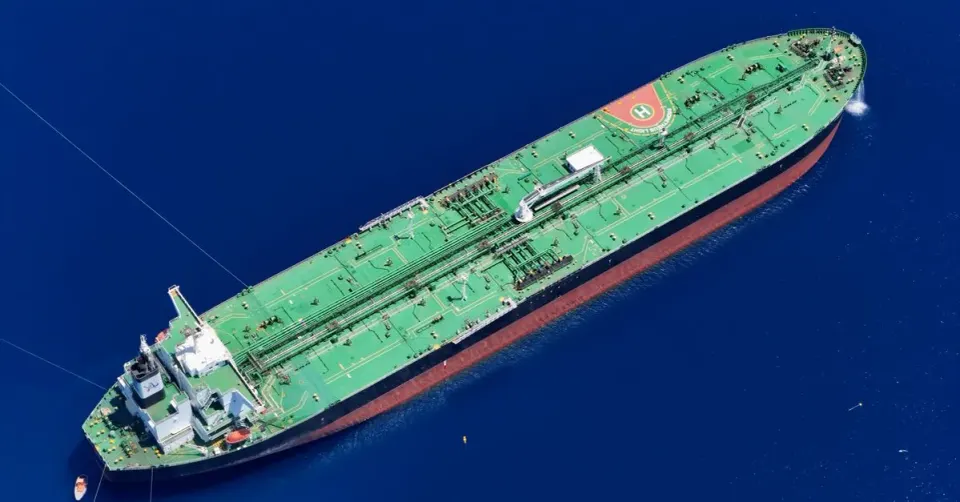
Beyond the rhetoric, the reality of the economic blockade mentioned by Ambassador Waltz remains the biggest hurdle for the Iranian economy. The U.S. is demanding an end to maritime interference before granting any sanctions relief, while Tehran is looking for 'everything upfront' to jumpstart its struggling industry. This classic deadlock is what keeps the Toman near its record lows. For the everyday reader, this means that until there is a breakthrough on the 'Hormuz issue,' inflation is unlikely to cool down significantly, as the cost of imports remains tied to these high-stakes security tensions.
Security Alarms and the Global Risk Premium
Adding to the day's jitters was a major security incident in the United Kingdom. Five men were arrested on suspicion of terrorism near RAF Fairford, a strategic airbase used by the United States during previous operations in the Middle East. While the full details of the plot are still emerging, the proximity of the incident to a base with clear links to regional conflicts adds another layer of anxiety to global markets. For Iranian investors, any news involving 'U.S. airbases' and 'terrorism' near Western military hubs acts as a signal of potential regional spillover, further driving demand for safe-haven assets like gold and the US Dollar.
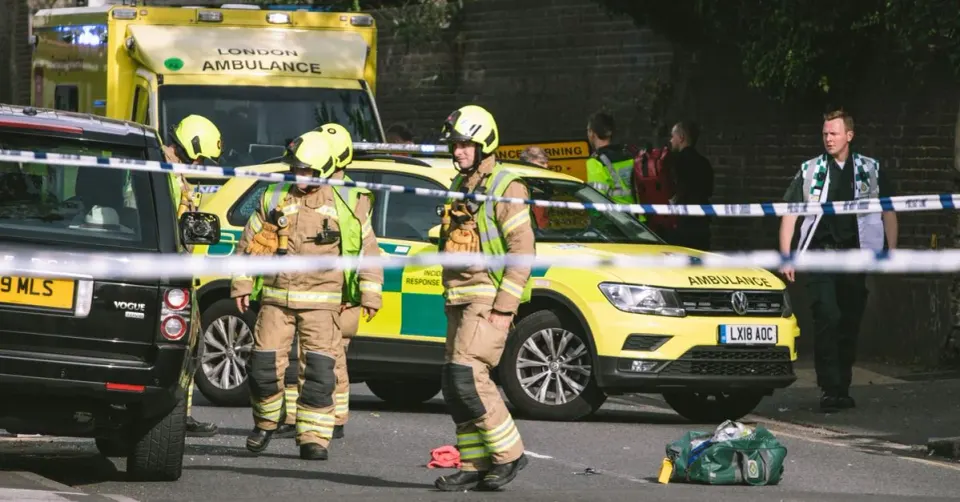
As we look toward tomorrow's opening session, the focus will remain on whether any 'official' channel—perhaps through Swiss intermediaries or the UN—confirms Trump’s public rejection. If a formal 'no' is delivered, we could see the Toman face renewed pressure. However, if Araghchi’s intuition is correct and a back-channel remains open, the market may continue its current trend of sideways movement with a slight upward bias. The practical takeaway for Iranians is clear: the market is currently a hostage to headlines. Diversifying into stable assets like the Emami coin or USDT (currently at 235,970 Toman) remains the most prudent strategy until the diplomatic fog clears.
Frequently Asked Questions
چرا قیمت سکه امامی بیشتر از دلار رشد کرده است؟
منظور عراقچی از انتظار برای «پاسخ رسمی» چیست؟
آیا حادثه پایگاه هوایی Fairford بر اقتصاد ایران اثر دارد؟
How Sanctions Shape Iran’s Currency: The Mechanics Behind the Rial’s Volatility
Sanctions are a powerful tool that can reshape a nation’s entire financial architecture. When the United States imposes broad economic sanctions on Iran, it blocks Iranian banks from accessing the global SWIFT system, restricts foreign investment, and limits the ability of Iranian firms to sell oil abroad. These measures cut off the primary sources of foreign currency—especially U.S. dollars—creating a chronic shortage of hard cash in the domestic market.
With fewer dollars available, the supply‑demand balance for the Iranian rial (IRR) tilts sharply. In a free market, a shortage of a currency drives its price up relative to the foreign currency, meaning more rials are needed to buy one dollar. This is why headlines frequently report a rising USD/IRR rate and a strengthening Toman (the informal term for 10 rials). The market reacts not only to the official exchange rate set by the Central Bank of Iran but also to a parallel “black‑market” rate where most businesses actually transact.
Iran has responded by operating a dual‑exchange‑rate system. The official rate is used for essential imports and government‑approved transactions, while the unofficial market determines the price for most private trade. The gap between the two rates can widen dramatically during heightened sanctions pressure, as seen in September 2026 when the USD/IRR surged while the Toman edged higher in local pricing of goods like the Emami coin.
Understanding this mechanism helps explain why political events—such as a cease‑fire rejection by former President Trump or diplomatic statements from officials like Abbas Araghchi—can instantly move the exchange rate. Any hint of renewed sanctions or a shift in diplomatic posture alters expectations about future dollar inflows, prompting traders to re‑price the rial in real time.
For investors and observers, the key takeaway is that the rial’s volatility is less about domestic monetary policy and more about the external flow of hard currency constrained by sanctions. Monitoring sanction announcements, oil export data, and the official‑vs‑black‑market spread provides a clearer picture of Iran’s macro‑economic health than headline political news alone.