UK PM Directly Links Iran to RAF Fairford Incident as Emami Coin Surges 4 Million Toman
اتهام مستقیم نخستوزیر بریتانیا علیه ایران و جهش ۴ میلیون تومانی سکه امامی
British PM Andy Burnham has cited 'strong indications' of Iranian involvement in a recent security breach at a major UK air base. While the USD remained nearly flat, the Tehran gold market reacted sharply with Emami coins jumping 1.6% in a single session.
At time of publishing
USD
255,900
Toman
Gold 18K
25.42M
Toman / gram
Bitcoin
$84,063
US Dollar
Tether
253,502
Toman
The Fairford Accusation and Diplomatic Escalation
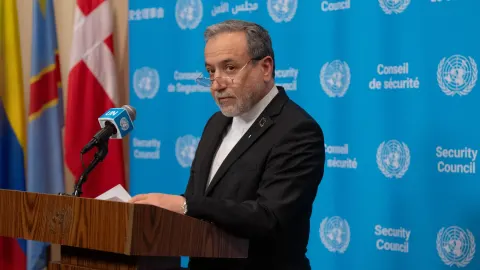
On Wednesday, September 30, 2026, the geopolitical temperature between Tehran and London reached a boiling point. British Prime Minister Andy Burnham, speaking at the conclusion of the Labour Party conference, stated there are "strong indications" that the Iranian government played a role in the security incident at RAF Fairford last Sunday. This follows the arrest of five individuals near the base, who were later released on strict bail conditions. While Burnham stopped short of providing classified evidence, the explicit naming of Iran marks a significant shift from cautious diplomatic language to direct confrontation. For Iranians, this isn't just a headline; it is a signal of potential new sanctions or a cooling of the already fragile trade channels with Europe.
This development comes at a time when the UK is also grappling with its internal security and justice system. In a separate but related context of border tensions, six smugglers were recently jailed for their roles in the 2021 Channel disaster. This atmosphere of heightened security and legal crackdowns suggests that the British government is in no mood for leniency, especially as Prime Minister Burnham even hinted at the possibility of the UK rejoining the EU—a move that could further align British and European sanctions policies against Tehran. The market is currently pricing in the risk that this 'Fairford Incident' could be the catalyst for a fresh round of Western pressure.

Market Reaction: Gold Decouples from the Dollar
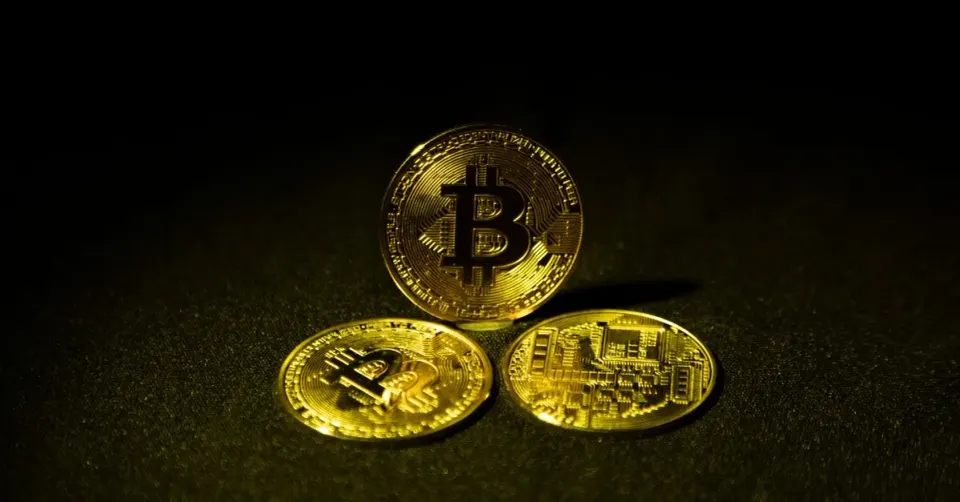
In the Tehran markets today, we witnessed a fascinating and somewhat rare divergence. The US Dollar was remarkably stable, moving from 255,800 to 255,900 Toman, a negligible +0.0% change. Usually, gold follows the dollar's lead, but today the Emami coin took its own path. The price of an Emami coin rose from 255,000,000 to 259,000,000 Toman, a sharp 1.6% increase. This 4-million Toman jump in a single session suggests that local investors are seeking a 'safe haven' within the domestic market, anticipating that the diplomatic spat with the UK might spill over into the currency market by tomorrow morning.
This 'pre-emptive' buying of gold coins is a classic behavior in the Iranian economy when geopolitical news breaks late in the day. While the Central Bank of Iran (CBI) may be working hard to keep the USD exchange rate pinned to the 255,900 level through market intervention, they have less control over the secondary gold coin market. The fact that the 18k gold gram remained flat at 25,418,994 Toman while the coin surged suggests that the 'bubble' or premium on the coin is expanding—a clear indicator of domestic anxiety rather than a reflection of global gold prices, which are currently hovering around $4,157 per ounce.
Global Context: Energy Shocks and Inflation
Beyond the bilateral tension with the UK, the global backdrop remains incredibly volatile. Europe is currently being hit by another energy-driven inflation shock, with Spain's inflation rate jumping to 5.0% in September. This is largely driven by the surging costs of fuels and lubricants, which are sensitive to the ongoing instability in the Middle East. For Iran, which relies on high oil prices to buffer its budget, the volatility in WTI (swinging between $67 and $107) creates a double-edged sword: higher revenues but also higher costs for imported goods and increased global pressure to stabilize the region.
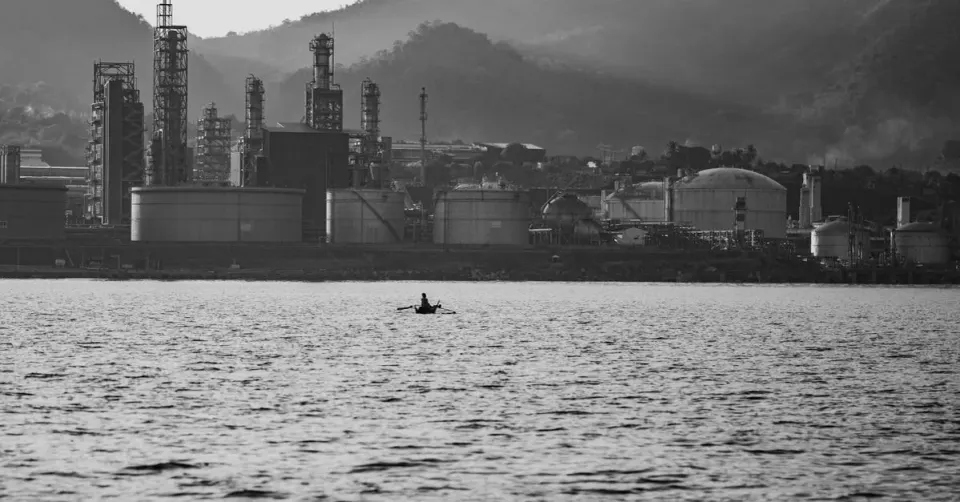
Adding to the supply-side pressure, a massive explosion at one of India’s largest refineries has tightened fuel markets even further. As India is a major buyer of regional crude, any disruption in its refining capacity ripples back to the producers. Between the diplomatic accusations from London and the logistical chaos in the global energy market, the Iranian Rial is under a quiet but immense pressure. While the official USD rate didn't buckle today, the surge in coin prices tells us that the market's internal 'fever' is rising. Tomorrow’s opening session will be critical to see if the dollar can maintain its current stalemate or if it will follow the lead of the Emami coin.
Practical Takeaway for Tomorrow
Watch the 'Coin Premium' closely. When the Emami coin moves 1.6% while the USD stays at 0.0%, it creates a gap that usually closes within 48 hours. If the UK provides more details on the Fairford incident tomorrow, expect the USD to finally break its current resistance level. For now, holding gold coins serves as a short-term hedge, but the 'bubble' is getting expensive. If you are looking to enter the market, wait for the opening 'Sana' rates tomorrow to see if the CBI intends to defend the 255,000 Toman level with increased supply.
Frequently Asked Questions
Why did the Emami coin rise while the US Dollar stayed flat today?
What happened at RAF Fairford and why does it matter to the Rial?
How is the inflation in Europe affecting the Iranian market?
How Economic Sanctions Ripple Through Currency and Commodity Markets
Economic sanctions are a foreign‑policy tool that restricts trade, finance, or investment with a target country. While the immediate goal is often political—pressuring a regime to change behavior—the secondary effects cascade through the target’s economy. By cutting off access to international banking systems, limiting oil exports, or prohibiting the purchase of critical technology, sanctions shrink foreign currency inflows and force domestic markets to adjust to scarcity. The result is a sharp depreciation of the local currency, as seen in the Iranian rial’s slide after renewed UK‑Iran tensions, and a surge in the price of hard assets such as gold and locally‑minted coins that people turn to as stores of value.
The mechanics behind the exchange‑rate shock are straightforward: fewer dollars flow into the country, while demand for dollars to pay for essential imports remains high. In a floating‑rate regime this imbalance pushes the domestic currency down, sometimes by hundreds of percent in a short period. Simultaneously, sanctions on oil and gas exports reduce national revenue, limiting the government’s ability to intervene in the foreign‑exchange market or subsidise fuel prices. The combined pressure fuels energy inflation, where the cost of electricity, gasoline, and related inputs spikes, feeding through to broader consumer prices.
Commodity markets react in predictable ways. When a sanctioned nation cannot easily sell its oil, global supply tightens, nudging up world oil prices. Inside the sanctioned economy, scarcity drives up the price of locally produced substitutes—such as the “Emami coin” mentioned in Tehran’s markets—while investors flock to gold as a hedge against currency risk. Gold’s price in Iranian toman often moves in lockstep with the rial’s weakness, creating a feedback loop that amplifies both currency and commodity volatility.
Understanding these dynamics helps explain why diplomatic flare‑ups, like the RAF Fairford incident, can have outsized economic repercussions far beyond the political headlines. Policymakers and investors watch sanction‑related indicators—exchange‑rate trends, gold premiums, and energy price indices—to gauge the broader health of an economy under pressure and to anticipate ripple effects that may spill over into neighboring markets, such as India’s refinery sector or European energy inflation.
For anyone following the intersection of geopolitics and economics, the key takeaway is that sanctions are not isolated political statements; they are catalysts that reshape monetary policy, alter commodity flows, and reshape everyday prices for households and businesses alike.