
Toman Slides to 269k as Persian Gulf Tensions Flare; Emami Coin Surges 5% in Speculative Rush
سقوط ریال به مرز ۲۷۰ هزار تومان؛ جهش ۵ درصدی سکه امامی در پی تنشهای لفظی در خلیج فارس
The Iranian Toman faced renewed pressure today as the USD rose 2.8% to 269,000, fueled by sharp diplomatic rhetoric regarding the Persian Gulf islands. Meanwhile, the Emami coin outpaced all other assets with a massive 5% daily jump, signaling a frantic search for liquidity among local investors.
At time of publishing
USD
269,000
Toman
Gold 18K
26.24M
Toman / gram
Bitcoin
$84,870
US Dollar
Tether
266,390
Toman
The Toman’s Saturday Slide
The start of the week in Tehran has been anything but quiet. According to the latest market data for Saturday, October 3, 2026, the USD rose from 261,700 to 269,000 Toman, marking a significant 2.8% depreciation of the local currency in a single session. This move toward the 270,000 threshold suggests that the market is pricing in a higher risk premium, likely driven by the intersection of regional geopolitical friction and domestic inflationary expectations. While the currency move was sharp, the real story lies in the gold market, where the Emami coin surged from 261,000,000 to 274,000,000 Toman—a staggering 5.0% increase that far outpaced the 1.1% rise in 18k gold grams.
This discrepancy between the coin and the raw gold price is a classic indicator of market anxiety. When investors rush to buy minted coins at a premium, it usually signals a desire for highly liquid, portable wealth in anticipation of further volatility. The fact that the coin is rising nearly five times faster than the underlying gold value suggests a speculative bubble is forming, or perhaps more accurately, a 'panic hedge' against a potential breakdown in diplomatic stability. For the average Iranian, this translates to a rapid erosion of purchasing power, as the cost of imported goods and services is expected to adjust upward almost immediately in response to the 269k dollar.

Geopolitics and the 'Three Islands' Rhetoric
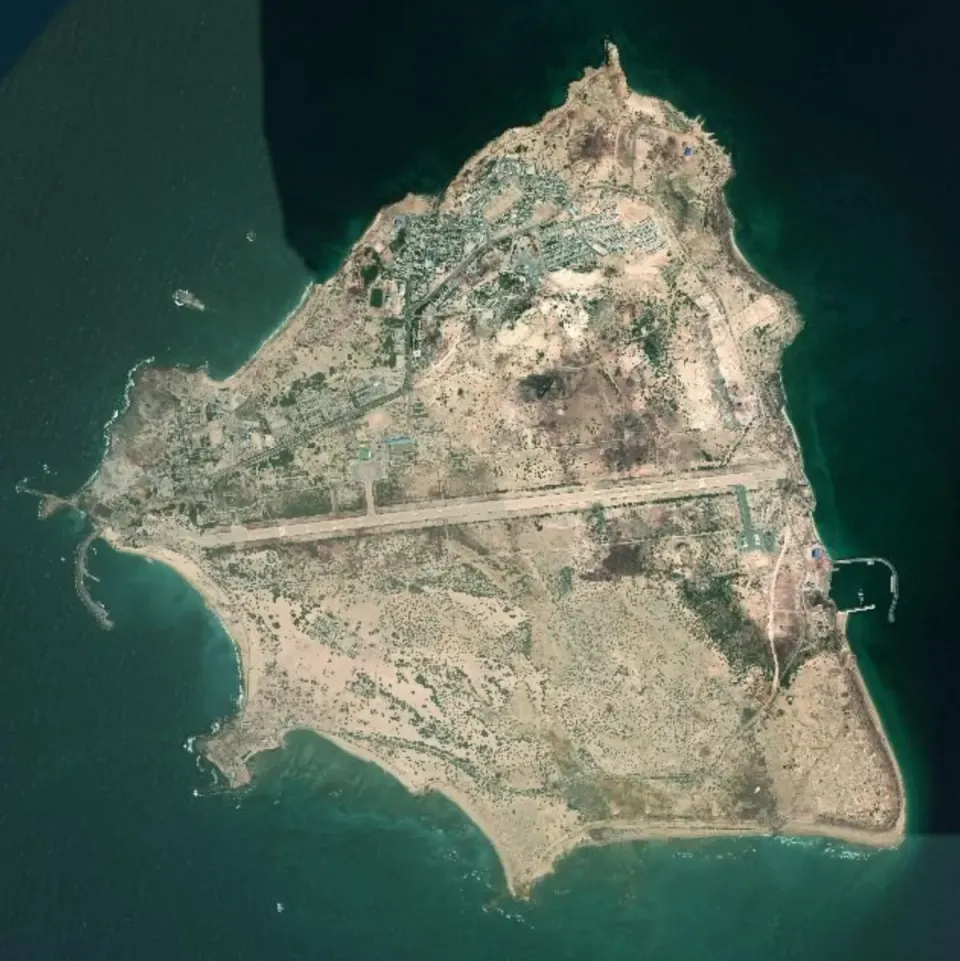
The immediate catalyst for today’s market jitters appears to be the sharpening rhetoric between Tehran and its neighbors. Ali Akbar Velayati, a senior adviser to the Leader of the Islamic Revolution, issued a stern warning to the United Arab Emirates, stating that the half-century-old state is 'better off not challenging Iran' over its sovereignty of the three Persian Gulf islands. While such statements are not uncommon in the long-standing territorial dispute, the timing—coupled with broader regional instability—has sent a clear signal to the markets. Iranian state media (IRNA) amplified these remarks, emphasizing that the UAE is not in Iran's 'military league,' a tone that rarely precedes a cooling of tensions.
In the currency markets, words are often as heavy as actions. When high-ranking officials adopt a confrontational stance, the 'Sana' and 'Nima' rates often struggle to anchor the open market. Traders in the Ferdowsi and Sabzeh Meydan districts are reacting to the perceived risk of a diplomatic spat escalating into something more tangible. For the Iranian public, this geopolitical posturing often feels like a double-edged sword: while it serves a nationalistic narrative, the economic cost is borne by the middle class, whose savings evaporate every time a headline triggers a fresh wave of Toman devaluation.
Global Context and the Inflationary Struggle
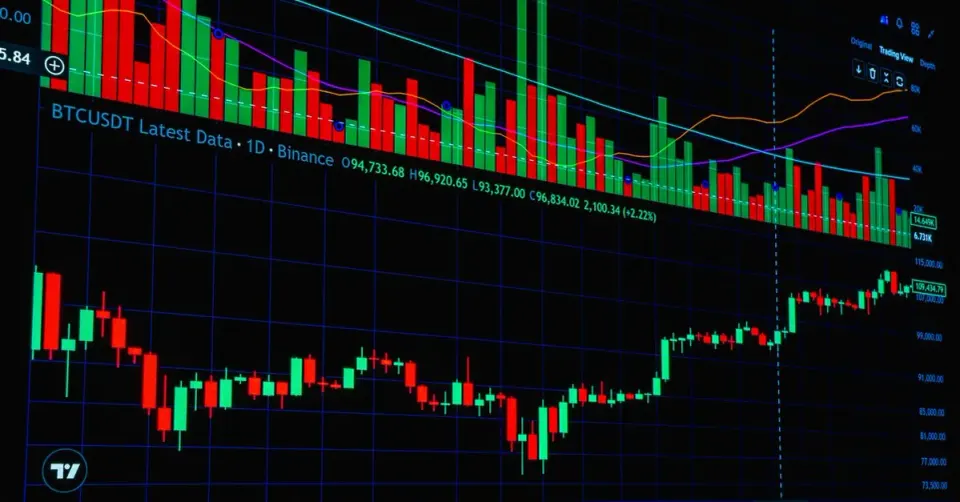
Beyond the borders of the Middle East, global events are adding layers of uncertainty to the financial landscape. In the United States, the resignation of Tennessee’s top prison official following a botched execution and a Florida jury's acquittal of a former deputy in a high-profile shooting case highlight a period of domestic social and political friction. While these events seem disconnected from the price of bread in Tehran, they contribute to a global 'risk-off' sentiment. When the world’s largest economy appears distracted or unstable, emerging and frontier markets often see a flight of capital toward safer havens like Bitcoin, which remains robust at $84,870, or gold, which is trading at a historic $4,141.80 per ounce.
Closer to the individual level, a report from MarketWatch suggests that in high-inflation environments, switching jobs is currently the most effective way to secure pay increases that outpace rising costs. This is a bitter reality for many in Iran, where the official inflation rate remains stubbornly high and wage growth is a distant second to the rising USD. As the Toman hits 269,000, the takeaway for the everyday professional is clear: staying stagnant in a fixed-income role is a recipe for financial regression. Hedging through assets like USDT (now at 266,390 Toman) or looking for opportunities in sectors that benefit from currency fluctuations may be the only way to maintain a standard of living.
Practical Takeaway for Tomorrow
As we look toward tomorrow's session, the 270,000 Toman level for the USD is the psychological line in the sand. If the market breaks and holds above this point, we could see a secondary wave of panic buying in the gold coin market. For those holding Rial, the 5% jump in Emami coins today suggests that 'buying the peak' is a dangerous game, as the premium on coins is now exceptionally high. A more prudent approach may be to monitor the regional diplomatic channels; any de-escalation in the 'Three Islands' rhetoric could lead to a short-term correction, offering a better entry point for those looking to diversify out of the local currency.
Frequently Asked Questions
چرا قیمت سکه امامی بسیار بیشتر از طلای ۱۸ عیار رشد کرده است؟
آیا تنش بر سر جزایر سهگانه واقعاً بر قیمت دلار تاثیر دارد؟
در شرایط فعلی، خرید طلا منطقیتر است یا دلار؟
Understanding Currency Devaluation and Its Inflationary Impact
Currency devaluation is the intentional downward adjustment of a nation’s official exchange rate, making its currency cheaper relative to foreign currencies. In Iran, the rial (or toman, equal to ten rials) has been repeatedly devalued, most recently sliding to around 269,000 rials per US dollar in late 2026. A weaker rial means that imports—especially essential goods like medicine, food, and technology—cost more in local terms, while exporters receive more rials for the same amount of foreign sales. This shift can boost export revenues but often comes at the price of higher domestic prices.
The link between devaluation and inflation is straightforward: as import prices rise, the overall price level in the economy tends to follow. Iran’s experience shows a classic case of “imported inflation,” where the cost of imported commodities such as wheat, oil derivatives, and even gold drives up the consumer price index. The gold price in Tehran, for example, is directly tied to the rial’s value; a weaker rial pushes gold prices higher in local currency, prompting households to spend more on a traditional hedge against inflation.
Devaluation also reshapes household financial strategies. Many Iranians turn to alternative stores of value—gold, cryptocurrencies like Bitcoin, or locally issued digital tokens such as the Emami coin—to preserve wealth. The speculative surge in the Emami coin, up 5% in a single day, illustrates how investors chase assets perceived as less vulnerable to currency risk. Simultaneously, a “job‑switching inflation strategy” has emerged, where workers seek higher‑paying positions or shift to sectors less exposed to exchange‑rate shocks, attempting to outpace the erosion of real wages.
Policymakers must balance the short‑term boost to export competitiveness against the longer‑term pain of higher inflation and reduced purchasing power. The International Monetary Fund (IMF) repeatedly warns that persistent devaluation without accompanying fiscal discipline can entrench inflation expectations, making it harder to stabilize the economy. Understanding the mechanics of devaluation helps citizens and investors gauge the real cost of living and the true value of speculative assets in a volatile macro‑environment.