Netanyahu’s Election Rhetoric and Saudi Oil Shifts Push Tehran Markets Higher: USD Closes at 270,700
سایه انتخابات اسرائیل بر بازار تهران؛ دلار به ۲۷۰ هزار تومان رسید و طلا گران شد
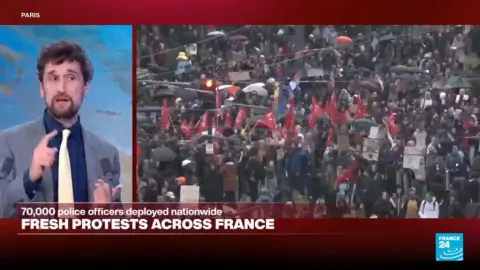
Tehran's markets closed Monday with a slight bullish lean as geopolitical rhetoric from Israel and a major shift in Saudi oil policy kept traders on edge. The US Dollar rose 0.4% to 270,700 Toman, while Gold 18k gained 0.9% as global prices held firm above $4,000.
At time of publishing
USD
270,700
Toman
Gold 18K
26.29M
Toman / gram
Bitcoin
$80,270
US Dollar
Tether
270,386
Toman
The Shadow of the Knesset
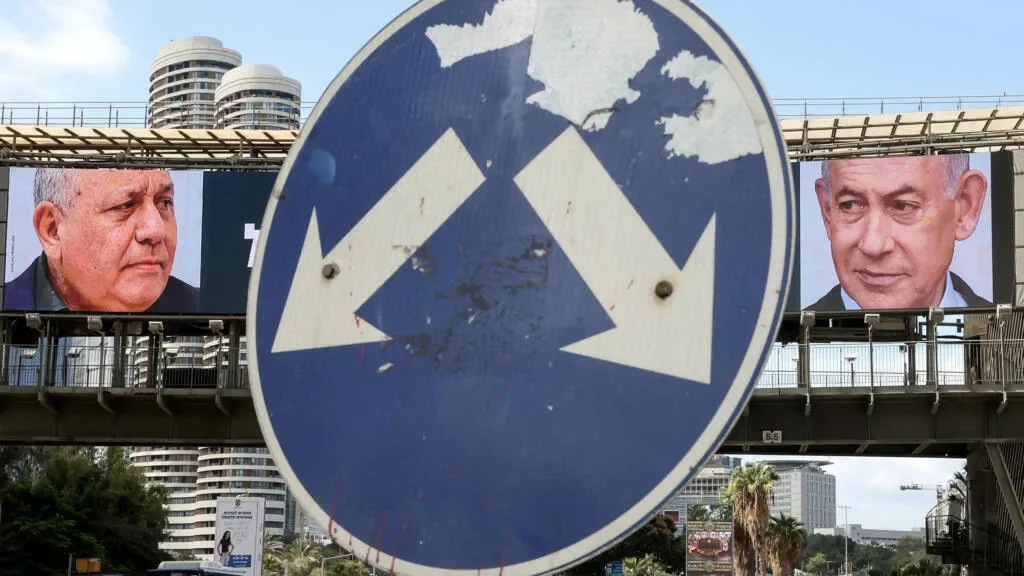
As Israel approaches its critical election on Tuesday, the political rhetoric in Tel Aviv is vibrating through the currency exchanges of Tehran. Prime Minister Benjamin Netanyahu has doubled down on his security credentials, explicitly labeling his main rival, former army chief Gadi Eisenkot, as "soft" on Iran. This is not merely a domestic Israeli dispute; for the Iranian market, it serves as a barometer of regional tension. Netanyahu’s campaign strategy of stoking fears of a direct confrontation with Iran to consolidate his base has historically led to a spike in the "war risk" premium for the Toman. Today, we saw the USD move from 269,500 to 270,700 (+0.4%), a movement that reflects the cautious hedging of local traders who fear that an escalation in rhetoric could precede a more tangible conflict.
Eisenkot, meanwhile, has accused Netanyahu of playing up the Iran threat for purely political gains, failing to achieve actual security goals. This internal friction, coupled with fresh backing for Netanyahu from Donald Trump, suggests that the regional posture toward Tehran will remain aggressive regardless of the winner, though the methods may differ. For the average Iranian, this political theater translates into a direct loss of purchasing power. When the prospect of expanded sanctions or military friction rises, the first reaction in the Ferdowsi market is to exit Rial positions in favor of hard currency or gold. This trend was evident today as Gold 18k/gram climbed from 26,063,068 to 26,293,919 (+0.9%), signaling a flight to safety.
Saudi Arabia’s New Energy Playbook
Beyond the immediate regional friction, a massive shift in global energy dynamics is underway that could redefine Iran’s economic breathing room. Reports indicate that Saudi Arabia has effectively abandoned its core oil rules—a move linked to the broader regional strategy known as "Operation Epic Fury." This strategic pivot, aimed at neutralizing regional threats and managing the influence of proxies like Hamas and Hezbollah, suggests a more volatile and less predictable oil market. While Wall Street analysts are being accused of misjudging the long-term effects of Persian Gulf tensions on oil futures, the reality on the ground is one of tightening supply-side pressure and shifting alliances.

This energy volatility is further complicated by Kazakhstan's recent $12 billion legal setback regarding the Kashagan oil field. As Western oil giants win arbitration cases against regional producers, the risk profile for energy investment in the East remains high. For Iran, which is currently sending President Masoud Pezeshkian to Moscow for the Gas Exporting Countries Forum (GECF), these shifts are critical. Tehran is looking to Moscow and the GECF to provide a counter-weight to Western-led energy dominance, but the internal disputes within the oil-producing world mean that a unified front remains elusive. The Toman's weakness today is partly a reflection of this uncertainty—if Saudi Arabia is changing the rules of the game, the old assumptions about oil-driven stability in the Middle East are no longer valid.
Market Pulse and the Digital Frontier
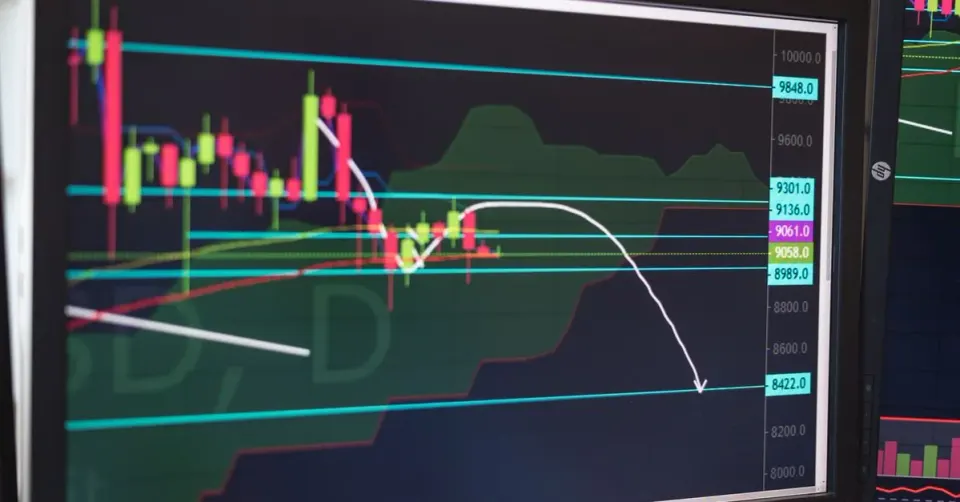
In the crypto space, Bitcoin (BTC) remains a formidable force, holding steady at $80,270. While some global analysts suggest a cooling period, the demand for USDT in Iran remains high, with Tether trading at 270,386 Toman, nearly parity with the physical dollar sell rate. This parity indicates that the digital dollar is no longer a niche asset but a primary vehicle for capital preservation among Iranians. The news of CoinDCX losing $16 million to a hack serves as a reminder of the risks inherent in the digital space, yet it has done little to dampen the local appetite for decentralized assets as a hedge against the Rial’s volatility.
As we look toward tomorrow, the opening of the Israeli polls will be the primary catalyst for movement. If the early exit polls suggest a landslide for the more hawkish elements, expect the Toman to face renewed pressure. Conversely, any signal of de-escalation or a shift in focus toward domestic Israeli issues could provide a temporary reprieve. For now, the practical takeaway for Iranians is clear: the market is pricing in a high-tension environment. Maintaining a diversified portfolio that includes both physical gold (which saw Emami coins rise 0.6% today to 268,500,000 Toman) and digital assets remains the most prudent path through this geopolitical fog.
Frequently Asked Questions
چرا انتخابات اسرائیل بر قیمت دلار در تهران تاثیر میگذارد؟
تغییر سیاست نفتی عربستان چه معنایی برای اقتصاد ایران دارد؟
چرا قیمت تتر در ایران با دلار فیزیکی برابر شده است؟
Topics
Related Articles