Tehran Markets Cool as Europe Burns: USD and Emami Coin Retreat Amid Global Inflation Protests
عقبنشینی معنادار دلار و سکه در تهران؛ تب بازار در سایه اعتراضات گسترده اروپا فروکش کرد
Tehran's financial markets saw a sharp correction this Saturday, October 24, 2026, with the USD slipping -0.6% and Emami coins dropping a significant -2.6%. As massive protests over purchasing power rock France and Spain, Iranian investors are pausing to recalibrate amidst a volatile global backdrop.
At time of publishing
USD
268,200
Toman
Gold 18K
25.92M
Toman / gram
Bitcoin
$80,160
US Dollar
Tether
268,212
Toman
A Technical Correction in the Heat of Autumn
The trading session on Saturday, October 24, 2026, delivered a much-needed breather for the Iranian Toman. After a week of relentless pressure, the USD moved from 269,700 to 268,200, marking a -0.6% decline. While this might seem minor, the ripple effect on the gold market was far more pronounced. The Emami coin, often the most sensitive barometer of local sentiment, shed over 7 million Toman in a single day, falling from 274,000,000 to 267,000,000 (-2.6%). This retreat suggests that the market had reached a temporary exhaustion point, with buyers hesitant to push further until new geopolitical or economic catalysts emerge.
For everyday Iranians, this dip is a double-edged sword. While it offers a slight reprieve for those looking to preserve their savings in hard assets, the underlying volatility remains high. The drop in 18k gold from 26,420,887 to 25,924,557 Toman (-1.9%) mirrors a global cooling of the 'risk-off' trade, even as the gold ounce hovers near the psychological $4,000 mark. Analysts suggest this local correction is driven by a combination of central bank intervention and a temporary lack of fresh escalations in regional tensions, though the floor remains fragile.
Global Unrest and the Purchasing Power Crisis
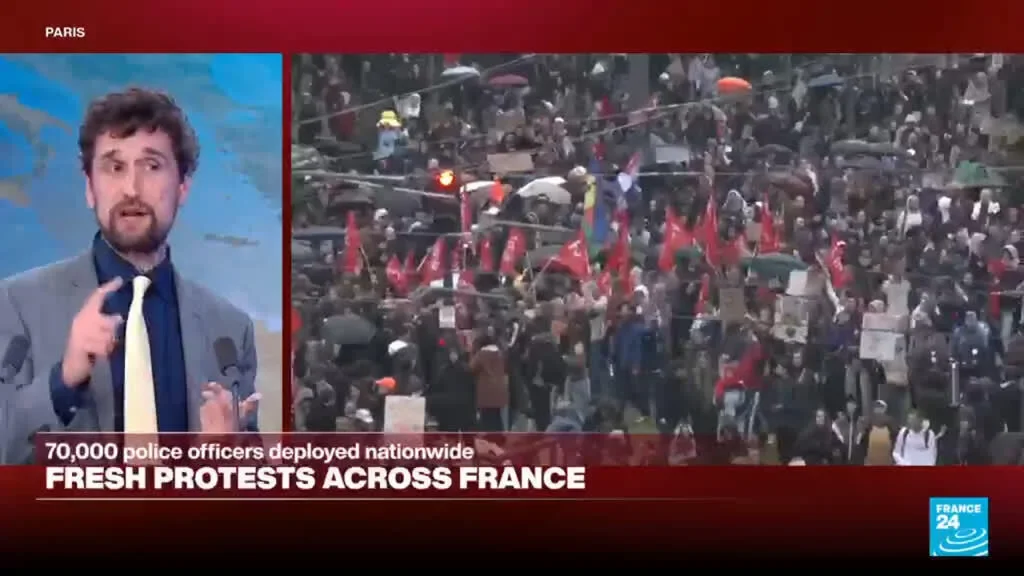
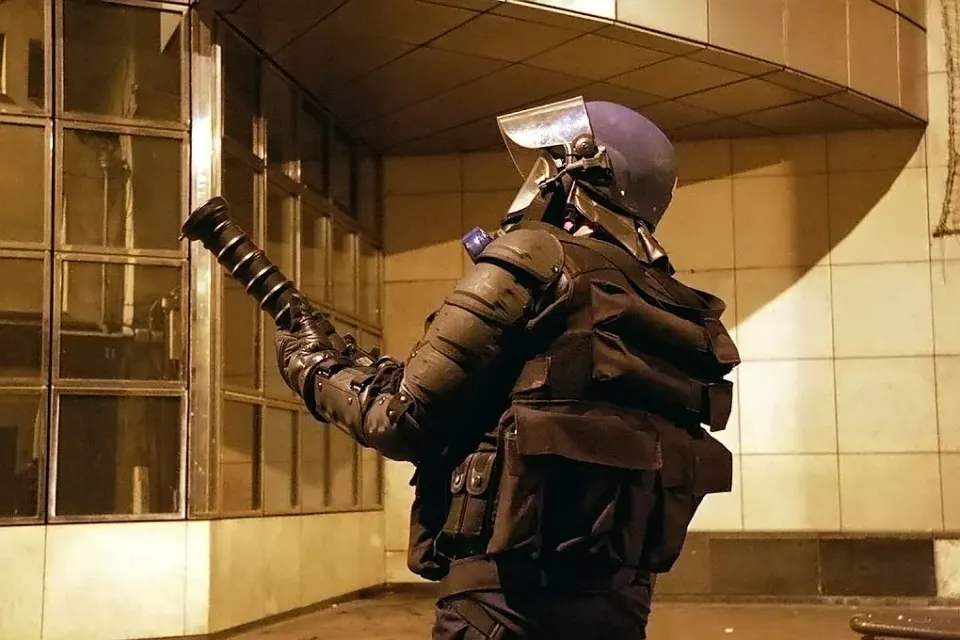
While Tehran saw a localized cooling, Europe is currently a theater of economic discontent. In France, the Interior Ministry reported that over 410,000 people—though unions claim up to 800,000—marched across cities like Paris, Bordeaux, and Marseille. The protests, which saw police deploy tear gas and water cannons, are centered on the eroding purchasing power of the Euro and the defense of public services. Similarly, in Madrid, approximately 25,000 people rallied to demand that pensions remain indexed to inflation. This wave of unrest across the Eurozone highlights a global theme: the struggle of the middle class against persistent inflationary pressures.
This matters for the Iranian reader because it signals that the 'global inflation' story is far from over. When major economies like France and Italy face civil unrest due to the cost of living, it limits the policy options for central banks, potentially keeping global commodity prices—including gold and oil—elevated. In Italy, luxury boutiques in Milan were boarded up as soldiers patrolled the streets to prevent looting. This instability in Europe often leads to a stronger US Dollar globally, which indirectly keeps the pressure on the Toman despite today's minor local recovery.
Policy Shifts and Legal Directives
On the domestic front, a significant legal directive has emerged. The Leader of the Islamic Revolution, Ayatollah Sayyid Mojtaba Hosseini Khamenei, has instructed the Judiciary to pursue compensation for damages resulting from "American-Zionist crimes." This move signals a hardening of the legal and diplomatic stance against Western sanctions and regional adversaries. While this is primarily a political and judicial development, it often translates into market sentiment as a signal of continued resistance and potential further friction in international trade and frozen asset negotiations.
Meanwhile, across the Atlantic, energy markets are watching Donald Trump’s latest moves. The US President is reportedly targeting a $6.2 billion offshore wind project, Revolution Wind, as part of a broader pivot back toward fossil fuels. By paying companies to relinquish renewable leases in favor of oil and gas, the administration is attempting to reshape the global energy landscape. For Iran, a major gas and oil producer, these shifts in US energy policy are critical. As the Iranian ambassador to Russia recently noted at the Gas Exporting Countries Forum (GECF), Iran is looking to strengthen multilateralism in energy diplomacy to bypass unilateral restrictions.

---
Practical Takeaway for the Week Ahead
Today's correction in USD and Gold should be viewed as a tactical pause rather than a trend reversal. With Bitcoin holding steady above $80,000 and global gold prices remaining near record highs, the macro environment is still inflationary. Investors should watch the 265,000 Toman support level for the USD; staying above this suggests the long-term upward trend remains intact. For those holding gold, the -1.9% drop in 18k gram prices is a reminder of the volatility inherent in physical assets during periods of high global unrest.
Frequently Asked Questions
چرا قیمت سکه امامی بیشتر از دلار ریزش کرد؟
آیا اعتراضات در فرانسه و اسپانیا بر قیمت ارز در ایران اثر دارد؟
تغییر سیاست انرژی ترامپ چه تأثیری بر اقتصاد ایران دارد؟
Understanding Iran's Exchange Rate Regime and Currency Devaluation
Exchange rate regimes are the rules a country uses to manage the value of its currency relative to others. They range from a fully floating system, where market forces set the price, to a fixed or pegged system, where the government or central bank commits to a set rate. In practice, many economies operate a managed float, intervening occasionally to smooth volatility. Knowing which regime a country follows helps investors anticipate how external shocks—like sanctions, oil price swings, or global inflation—will affect the local currency.
Iran operates a dual‑exchange system that has evolved under intense international sanctions. The Central Bank publishes an official rate used for essential imports and government transactions, while a parallel free‑market (or “black‑market”) rate emerges for private trade, foreign travel, and many domestic purchases. Because the official rate is often far above the market reality, a large spread develops, creating arbitrage opportunities and fueling inflation when importers must pay the higher market price for foreign goods.
When the rial depreciates—whether through official devaluation or market pressure—the price of imported commodities such as gold, electronics, and even cryptocurrencies like Bitcoin or the locally‑issued Emami coin rises in rial terms. For example, a drop in the USD‑to‑IRR rate from 50,000 to 55,000 rials means that a gold bar priced at $1,800 now costs roughly 99 million rials instead of 90 million, pressuring households and prompting “market corrections” as investors shift to hard assets.
In 2026, Tehran’s markets have shown a cooling effect as the rial stabilises modestly after a sharp correction earlier in the year. This reflects a combination of tighter monetary policy, limited capital outflows, and a temporary easing of sanctions‑related pressures. Nevertheless, the underlying dual‑exchange structure remains, so any future shock—such as a new wave of protests in Europe or changes in U.S. energy policy—can quickly widen the spread again, reigniting inflationary pressures.
Understanding Iran’s exchange‑rate architecture is essential for anyone tracking regional financial trends, whether you are watching the price of gold in Tehran, the volatility of the Emami coin, or the broader impact of global inflation protests on emerging markets. It illustrates how political and economic forces intertwine to shape everyday prices and investment decisions.