From Koohrang’s Tulips to Tehran’s Tellers: Why Markets Don’t Always Believe in ‘Peace’
از لالههای واژگون کوهرنگ تا صرافیهای تهران: چرا بازارها همیشه «صلح» را باور نمیکنند؟
While nature recovers in the plains of Koohrang, the Iranian Toman faces a fresh 3.3% dip despite political claims of 'terminated' hostilities. We explore why market sentiment often lags behind diplomatic headlines and how to protect your purchasing power during fragile transitions.
At time of publishing
USD
183,800
Toman
Gold 18K
20.63M
Toman / gram
Bitcoin
$78,257
US Dollar
Tether
18,228
Toman
The Resilience of the Inverted Tulip
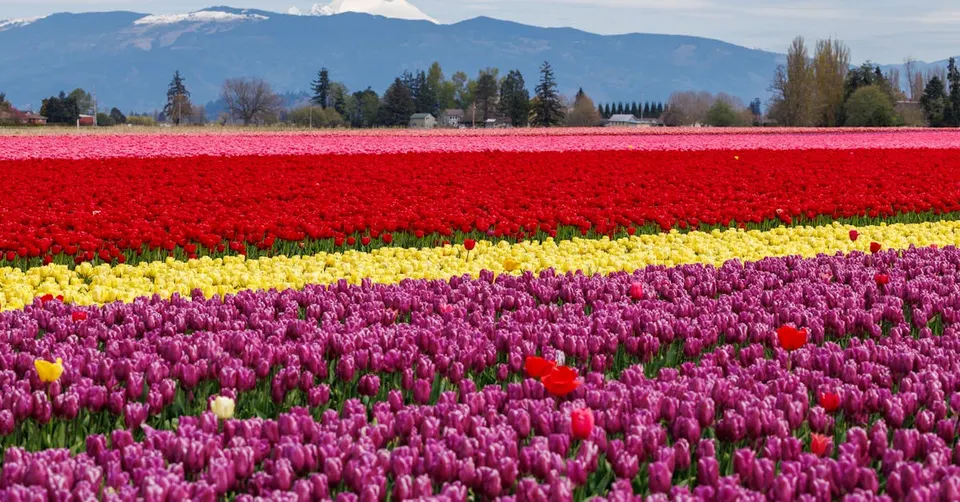
In the heart of Chaharmahal and Bakhtiari, a quiet miracle is taking place. The Plain of Reverse Tulips in Koohrang, which had dwindled from a vast 4,000 hectares to a mere 150 due to environmental stress and mismanagement, is finally showing signs of regeneration. This ecological recovery in Dimeh village is a powerful metaphor for the Iranian economy. Just as the tulips require specific conditions—protection from overgrazing and the right climate—to bloom again, a national economy requires stability and trust to flourish. However, while nature follows the slow, steady rhythm of the seasons, financial markets react with the speed of a lightning strike, often anticipating storms even when the sky appears to be clearing.
Today's market data reflects this tension. Despite the beauty of the re-emerging tulips, the Toman has slipped, with the USD selling rate climbing from 178,000 to 183,800 (+3.3%) in just 24 hours. This disconnect between the 'hopeful' news of natural recovery and the 'harsh' reality of the exchange rate highlights a fundamental truth in finance: resilience is not the absence of volatility, but the ability to survive it. For the average Iranian investor, the lesson of the Koohrang tulips is one of patience and the importance of preserving the 'roots' of one's wealth through diversification.
Why 'Terminated' Hostilities Didn't Lower Prices
On the diplomatic front, the headlines seem optimistic at first glance. US President Donald Trump recently informed Congress that military hostilities have 'terminated' following a ceasefire reached in early April. Under the War Powers Resolution, a 60-day deadline for congressional authorization expired this Friday, and the administration is signaling a pivot away from direct conflict. Yet, instead of the Toman strengthening on this news, we saw Gold 18k/gram jump 3.0% to over 20.6 million Toman. Why does the market refuse to celebrate? The answer lies in the 'Uncertainty Premium.'
Markets do not just price in what is happening today; they price in the risk of what might happen tomorrow. While the US President claims the war is over, the legal and constitutional battle within Washington over his authority suggests that the 'peace' is politically fragile. Furthermore, discussions between Iranian Foreign Minister Abbas Araghchi and his French counterpart, Jean-Noël Barrot, indicate that while diplomacy is active, a final, comprehensive resolution is still far off. Investors see this 'termination' as a pause rather than a full stop. When the future is a question mark, capital flows toward 'safe havens' like gold and hard currency, driving prices up even when the news cycle suggests a de-escalation.
Global Ripples and the Shield of Diversification
It is a mistake to view the Iranian market in a vacuum. Global events, from the record-breaking May warmth in Australia to the escalating conflict in Mali, contribute to a sense of global instability that keeps commodity prices high. In Mali, the loss of the Tessalit military camp to rebels and the involvement of Russian mercenaries remind us that geopolitical risks are interconnected. When conflict flares in one region, it affects global risk appetite. This is why the gold ounce remains at a staggering $4,615.40. For an Iranian household, this means that the price of an Emami coin (now at 206 million Toman) is being pushed by both local currency devaluation and a global rush for gold.
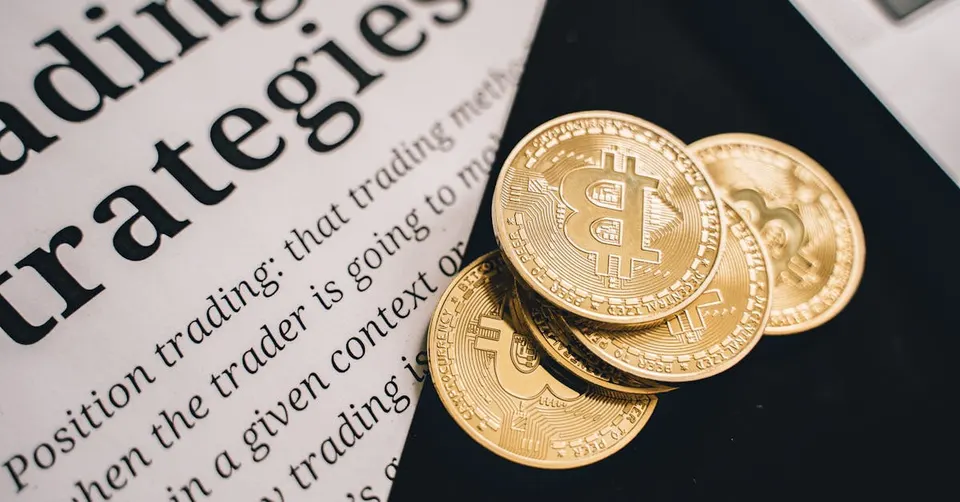
So, how should a savvy observer react? The key is understanding that 'peace' in the headlines does not immediately translate to 'stability' in the pocketbook. Just as the Koohrang tulips needed a protected environment to return, your savings need a 'protective fence' of diverse assets. This includes a mix of physical gold, perhaps a portion in stablecoins like USDT (which maintains its peg despite local volatility), and an eye on technological shifts like the new Bitcoin quantum security proposals. By not betting everything on a single diplomatic headline, you ensure that your financial 'plain' can regenerate, no matter how harsh the political winter has been.
Concept Diagram
Frequently Asked Questions
Why did the USD/IRR price increase if a ceasefire was announced?
How does the recovery of the Koohrang tulips relate to the economy?
Is gold still a good hedge even at 20 million Toman per gram?
What is the 'Uncertainty Premium' mentioned in the article?
Understanding the Market's "Risk Premium" in Times of Uncertainty
The global financial markets are inherently forward-looking, constantly assessing future events and their potential impact on asset values. When headlines speak of “markets not believing in peace” or mention geopolitical tensions like “Trump Iran war powers,” they're often referring to the concept of a Risk Premium. This is the additional return or compensation that investors demand for taking on a particular risk, above and beyond the return they would expect from a risk-free asset. In essence, it's the market's way of pricing in potential negative outcomes, demanding a higher reward for exposing capital to uncertainty.
This risk premium manifests in various ways across different asset classes. In currency markets, for instance, heightened geopolitical risk can lead to a depreciation of the local currency (like the Iranian Rial, IRR, against the USD) as investors move their capital to perceived safer assets abroad. This drives up the cost of foreign goods and services. Conversely, demand for traditional safe havens like gold tends to increase, pushing up its price, as investors seek to preserve wealth during periods of instability. The “market uncertainty premium” mentioned in the keywords is a specific form of this risk premium, reflecting the extra compensation required due to unpredictable future events.
Geopolitical events, diplomatic efforts such as “Araghchi Barrot diplomacy,” and the perceived likelihood of conflict or sanctions are significant drivers of the risk premium. Markets don't just react to current events; they try to anticipate future scenarios. If there's a perceived higher chance of conflict or prolonged instability, investors will demand a larger premium. This means higher borrowing costs for governments and businesses, lower valuations for domestic assets, and a general reluctance to invest, even in economies with underlying “resilience.” The long-term “USD IRR price” forecast, for example, would heavily embed such expectations of future stability or instability.
Understanding the risk premium is crucial for anyone trying to interpret market movements, especially in regions prone to political volatility. It explains why asset prices might not reflect fundamental economic strength alone, but also a complex calculus of perceived future risks. It highlights how political decisions and international relations directly translate into tangible economic costs, influencing everything from the price of gold to the daily exchange rate, ultimately impacting the cost of living and investment climate for ordinary citizens and businesses alike.