The 'Trump Risk' and Your Portfolio: Lessons from a Failed Australian Tower
ریسک ترامپ و سبد دارایی شما: درسهایی از شکست پروژه برج استرالیا
A massive 91-story Trump Tower project in Australia has collapsed, with developers citing regional tensions and political volatility. We break down how these distant headlines impact the 'risk premium' you pay for gold and dollars in Tehran today.
At time of publishing
USD
180,300
Toman
Gold 18K
20.48M
Toman / gram
Bitcoin
$81,212
US Dollar
Tether
18,023.004
Toman
The Australian Collapse and the 'Iran Factor'
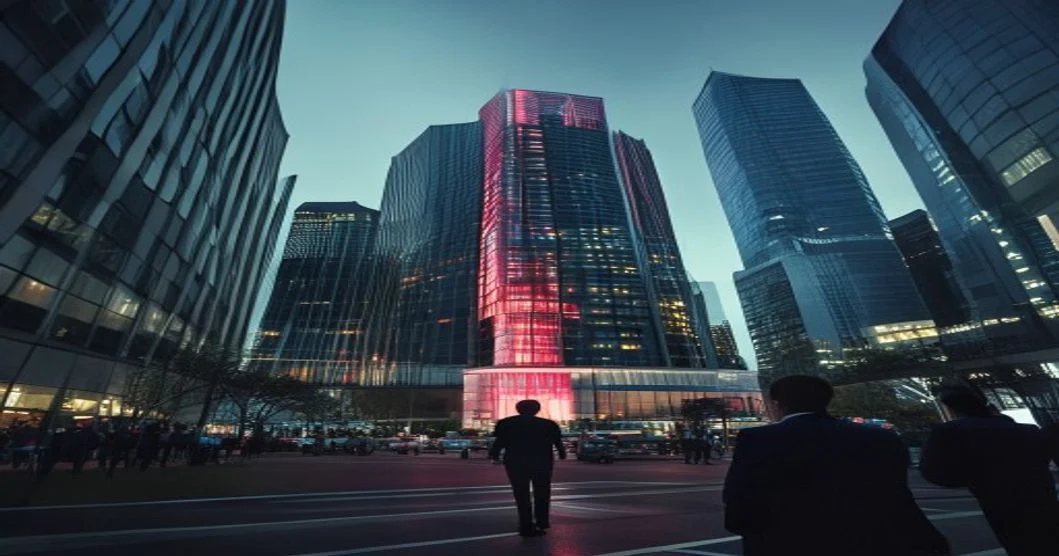
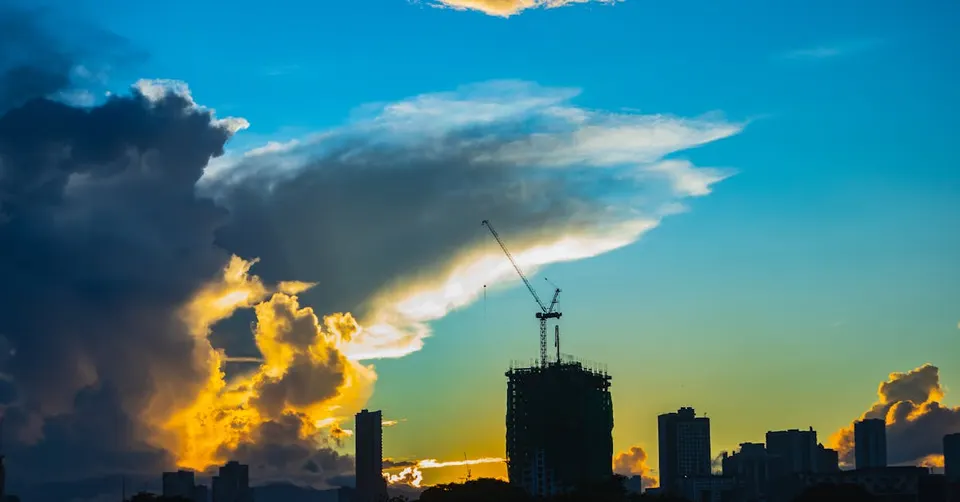
In a move that has sent ripples through both real estate and political circles, the planned 91-story Trump Tower on Australia's Gold Coast has officially fallen apart. The developer behind the project didn't mince words, explicitly blaming the ongoing geopolitical tensions involving Iran and the general "unpopularity" of the Trump brand in certain markets as primary reasons for the collapse. This isn't just a story about a failed building; it is a masterclass in how global sentiment and perceived risk can halt billions of dollars in investment before a single brick is laid. For investors, it serves as a stark reminder that the "Trump Factor" remains one of the most volatile variables in global finance.
When a developer cites "war in Iran" as a reason to cancel a project thousands of miles away, they are talking about the cost of capital and insurance. High-risk environments make lenders nervous. In the case of the Gold Coast project, the combination of regional instability and the controversial nature of the associated brand created a toxic mix that made the project unviable. This highlights a critical lesson for Iranian investors: the prices you see on your screens for USD or Gold are never just about local supply and demand. They are heavily weighted by how the rest of the world perceives the safety of the region.
Understanding the 'Risk Premium' in Tehran
Today’s market data reflects this global hesitation. We saw the USD/IRR price move from 181,200 down to 180,300, a modest decrease of 0.5%. More notably, the Emami gold coin dropped from 197,000,000 to 194,500,000 Toman, a 1.3% decline. While these might seem like small fluctuations, they represent the market "breathing out" as it digests global news. When projects like the Trump Tower fail, it signals a shift in how institutional money views the future. If big players are pulling back due to regional fears, it often creates a "risk premium"—an extra cost added to assets like gold and hard currency because people are paying for perceived safety.
This risk premium is the reason why gold in Iran often trades at a different rate than the global spot price would suggest. It’s an invisible tax on instability. Even as Bitcoin remains steady at $81,212, the local volatility in gold coins shows that Iranian traders are highly sensitive to news that links the domestic situation to global political figures. Events like the protests in London regarding Palestine Action or the institutional distrust seen in the Australian inquests into police conduct all contribute to a general global atmosphere of friction. In such a world, liquid assets like the USD and Gold become the ultimate refuge, even if their local prices fluctuate daily.
From Physical Failure to Digital Stability
While physical real estate deals are collapsing under the weight of politics, the digital world is building new bridges. A significant development out of Japan today shows that major enterprises are launching a yen-linked stablecoin on the Ethereum and Japan Open Chain layers for B2B settlements. This is the flip side of the coin: while traditional projects fail due to "risk," technology is attempting to automate and stabilize commerce. For an Iranian audience, this is the most important takeaway. The world is moving toward systems that try to bypass the very political volatility that killed the Trump Tower project.
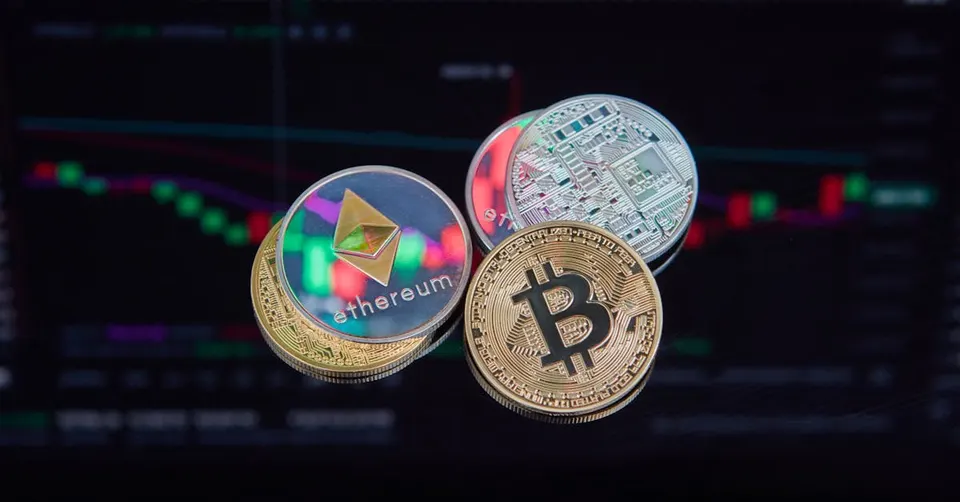
For the average investor in Tehran, the message is clear: diversification is no longer optional. When you see headlines about Ghana evacuating citizens from South Africa or legal battles in London, you are seeing a world where traditional borders and safety nets are being tested. To protect your wealth, you must look beyond just physical gold or local currency. The rise of enterprise-led stablecoins and the continued strength of Bitcoin—even amid these geopolitical storms—suggests that the future of wealth preservation lies in assets that are not tied to the success or failure of a single political brand or a single building project. Stay informed, stay liquid, and always look at the "why" behind the price change.
Concept Diagram
Frequently Asked Questions
Why did the developer blame Iran for a project in Australia?
How does a failed building in Australia affect the price of USD in Tehran?
What is a 'Risk Premium' in the context of the Iranian market?
Is the Japan stablecoin news relevant to Iranian crypto users?
Understanding Geopolitical Risk in Investment
Geopolitical risk refers to the potential for international political events, conflicts, and policy shifts to disrupt global stability and, consequently, financial markets. This broad category encompasses everything from wars and regional conflicts to trade disputes, elections, and changes in government policies that reverberate beyond national borders. Unlike traditional economic risks, geopolitical risks are often sudden, unpredictable, and can have far-reaching, non-linear impacts on investor sentiment and asset valuations. Understanding this risk is crucial for navigating today's interconnected global economy.
When geopolitical tensions escalate, markets typically react with increased volatility. Investors often seek "safe haven" assets, such as gold, certain government bonds, or stable currencies like the U.S. dollar, driving up their prices while riskier assets like equities or emerging market currencies may decline. This shift reflects an increased "risk premium" – the additional return investors demand for holding assets perceived as more vulnerable to political uncertainty. For instance, the prospect of sanctions or trade wars can directly impact corporate earnings, commodity prices, and exchange rates, making long-term planning challenging for businesses and investors alike.
For a curious reader and investor, recognizing geopolitical risk isn't about predicting specific events, but rather understanding their potential systemic impact. It encourages diversification across different asset classes and geographies, scenario planning for various political outcomes, and a keen awareness of global political developments. While specific events like a failed tower project might seem isolated, they often serve as tangible reminders of how political decisions, even at a local level, can be amplified by broader geopolitical narratives and influence global market sentiment, ultimately affecting portfolio performance.