

From Heatwaves to Hashrates: Why the Energy Crisis is the New Compass for Crypto and Gold
از موج گرما تا نرخ هش؛ چرا بحران انرژی قطبنمای جدید بازار رمزارز و طلاست؟
As extreme heatwaves push global power grids to their limits, the cost of maintaining the digital economy is coming under fire. We analyze how energy scarcity and AI's massive power hunger are reshaping the value of Bitcoin and traditional hedges like gold.
At time of publishing
USD
161,500
Toman
Gold 18K
15.91M
Toman / gram
Bitcoin
$62,423
US Dollar
Tether
161,412
Toman
The Physical Cost of a Digital World
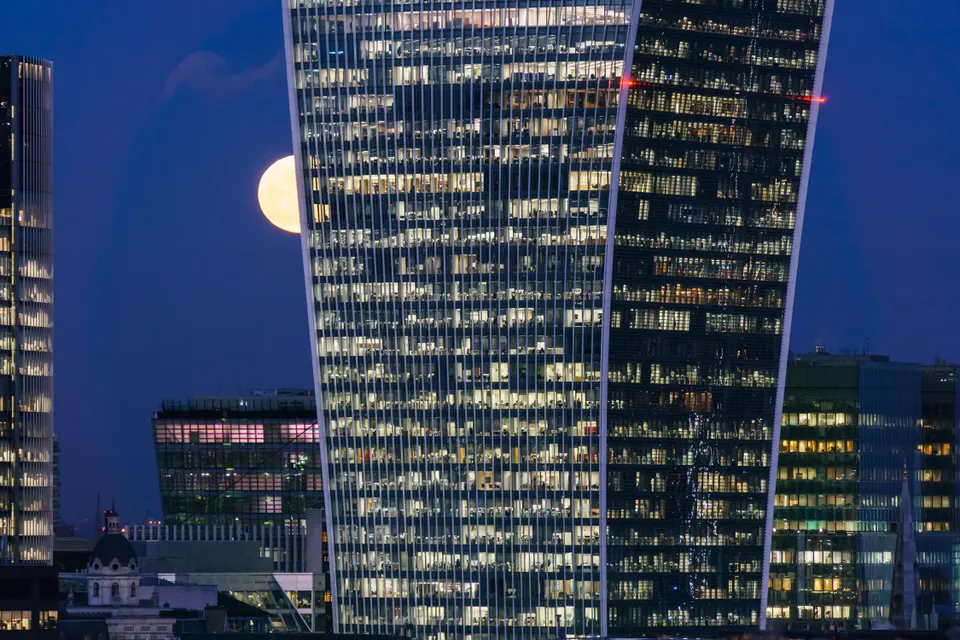
As the UK braces for record-breaking 40C temperatures and Europe grapples with what scientists call a 'Godzilla' El Niño, the financial world is waking up to a harsh reality: our digital assets are physically tied to the weather. Recent data suggests that mining a single Bitcoin now consumes the energy equivalent of nearly 500 barrels of oil. This isn't just an environmental concern; it is a fundamental shift in how we value 'digital gold.' When heatwaves strike, power grids prioritize cooling homes over running server farms, creating a direct conflict between human survival and the maintenance of blockchain networks.
This energy crunch is exacerbated by the rise of AI data centers, which are competing for the same electricity that powers Bitcoin miners. For investors in Iran, where energy subsidies and grid stability are constant topics of conversation, this global trend is a mirror of local challenges. The 'energy cost' of money is becoming a more significant price floor than technical chart patterns. If the world cannot keep the lights on during a summer peak, the infrastructure supporting decentralized finance faces a literal burnout, forcing a re-evaluation of what 'scarcity' really means in a world short on volts.
---
Market Sentiment and the Great Decoupling
While the physical world heats up, the crypto market is experiencing a chilling correction. Bitcoin (BTC) has slid toward the $62,423 mark, a move driven by fears of persistent high interest rates and massive ETF outflows. Interestingly, we are seeing a 'decoupling' where Bitcoin falls while some altcoins remain steady, having already bottomed out over the past two years. This shift suggests that the 'smart money' is no longer treating all digital assets as a single block. Instead, they are looking for utility and efficiency.
In the UK, political shifts are adding to the uncertainty. With calls for a 'swift transition' of power to figures like Andy Burnham and a focus on net-zero targets to drive growth, the regulatory landscape for energy-intensive industries is shifting. This geopolitical noise, combined with debates over multiculturalism in Australia, creates a 'risk-off' environment. When the future of leadership and energy policy is unclear, institutional investors tend to pull back from volatile assets like BTC, even as contrarian indicators suggest we might be near a local bottom. For the everyday trader, this means that watching a political debate in London or a weather report from Sydney is now just as important as watching the candle charts.

---
The Iranian Perspective: Inflation and Energy Hedges
Back home, the market data tells a story of local pressure meeting global trends. The USD/IRR exchange rate rose from 159,850 to 161,500 (+1.0%) in the last 24 hours, reflecting a continued demand for the dollar as a safety net. Interestingly, while the global ounce of gold sits at a high of $4,113.70, local Gold 18k per gram actually fell from 16,133,708 to 15,907,244 (-1.4%). This divergence often happens when the local market overshoots and then corrects, or when liquidity shifts toward the currency market to cover immediate needs.
Technological trends like the rise of DJI-backed Amflow e-bikes show that the world is moving toward high-efficiency battery tech, even in leisure. This reflects a broader shift: the future belongs to those who can manage energy best. For an Iranian investor, 'inflation hedging' no longer just means buying whatever is available. It means understanding which assets—whether it's the Emami coin (up 0.3% to 164,000,000 Toman) or a stablecoin like USDT—offer the best liquidity during times of regional and global energy turmoil. As the Strait of Hormuz remains a focal point for global energy security, the link between the oil in the gulf and the price of the digital coin in your wallet has never been tighter.
Concept Diagram
We use cookies for analytics and advertising. You can accept or reject. See ourPrivacy PolicyandCookiesfor details.