Strait of Hormuz Tensions & Global Risks: How Distant Crises Echo in Your Iranian Wallet
تنشهای تنگه هرمز و ریسکهای جهانی: چگونه بحرانهای دوردست در کیف پول ایرانی شما پژواک مییابند؟
Recent incidents in the Strait of Hormuz underscore how regional geopolitical flashpoints directly influence Iran's economic landscape, affecting everything from currency stability to gold prices. This guide explores how seemingly distant global crises, from health emergencies to political shifts, create ripple effects that land squarely in your daily financial life, impacting your investments and savings.
At time of publishing
USD
164,950
Toman
Gold 18K
16.33M
Toman / gram
Bitcoin
$60,251
US Dollar
Tether
167,176
Toman
In the interconnected world of today, events unfolding thousands of kilometers away or within critical regional waterways can have immediate and tangible effects on your financial well-being here in Iran. This past week has offered a stark reminder of this reality, with geopolitical tensions escalating in the Strait of Hormuz, coupled with ongoing global health concerns and shifts in international political alliances. These developments are not just headlines; they are direct drivers of market movements, influencing the value of your Toman, the price of gold, and the stability of your investments.
Today, we saw the USD/IRR exchange rate climb slightly from 164,750 to 164,950 (+0.1%), while 18k gold per gram rose from 16,229,281 to 16,333,164 (+0.6%), and the Emami coin surged from 163,000,000 to 167,000,000 (+2.5%). These increases are not random; they reflect the market's immediate reaction to a complex web of global and regional uncertainties. Understanding these connections is crucial for any Arzbin reader looking to navigate the financial landscape effectively.
The Strait of Hormuz: A Lifeline Under Pressure
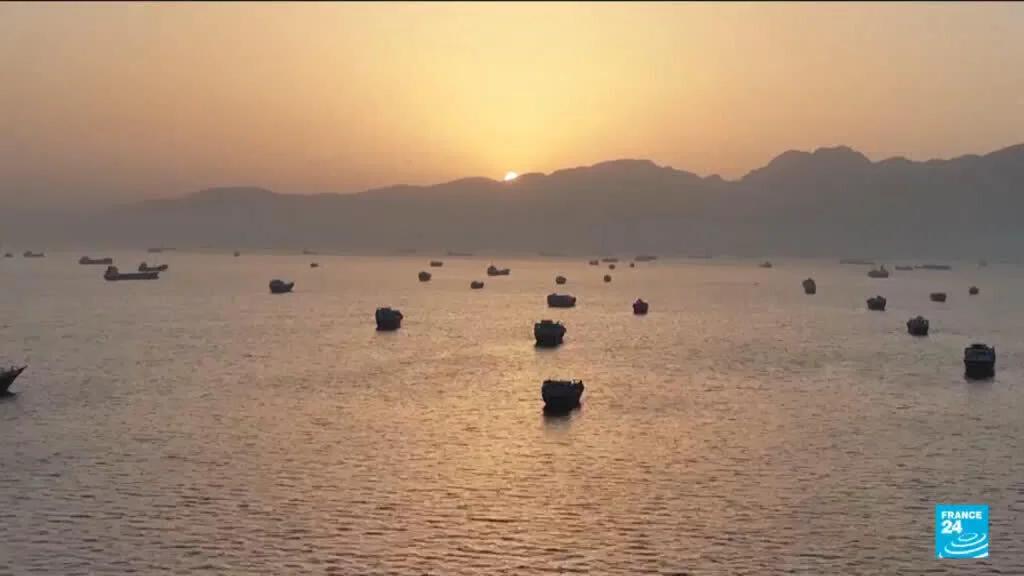
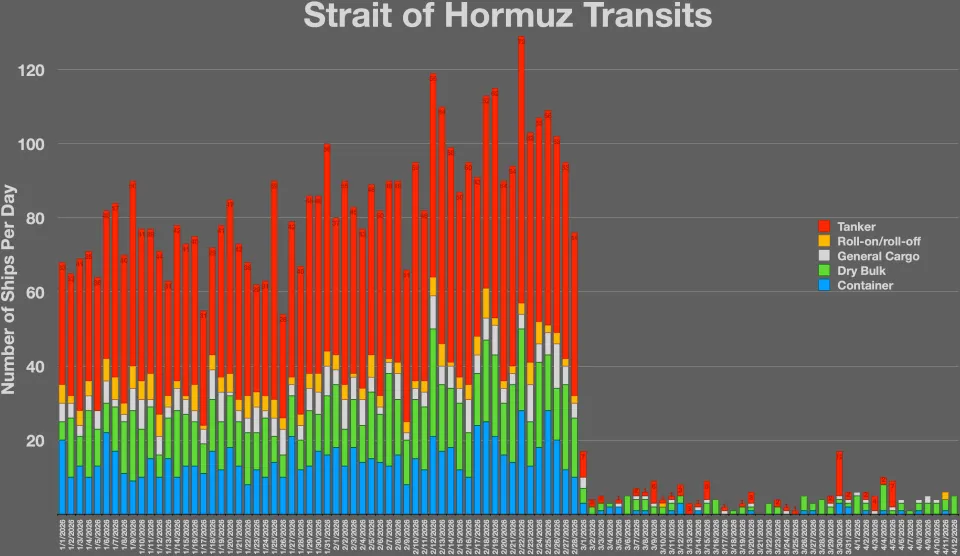
Recent reports have highlighted renewed volatility in the Strait of Hormuz, a critical choke point for global oil and gas shipments. France 24 reported that a cargo ship in the Strait was targeted, with President Donald Trump blaming Tehran for the incident and describing it as a "foolish violation" of the ceasefire (News Index 4). This incident was quickly followed by the US military carrying out strikes on Iran in response. Concurrently, IRNA reported that Tehran condemned US air raids on several locations along the country’s southern coast, stating these attacks violated a recent memorandum of understanding (MoU) ending the war and reaffirming Iran's right to respond under international law (News Index 24). These events unfold at a particularly delicate moment, amidst ongoing negotiations between Washington and Tehran aimed at securing an interim peace agreement.
Such escalations in the Strait of Hormuz carry profound implications for Iran's economy and regional stability. The Strait is a vital artery for international trade, and any disruption or perceived threat to shipping security immediately impacts global oil prices, shipping insurance costs, and investor confidence in the region. For Iranian citizens, this translates directly into increased uncertainty around currency stability and the cost of imported goods. The slight but noticeable increase in the USD/IRR exchange rate, alongside the significant rise in gold and coin prices today, serves as a clear indicator of how quickly markets react to geopolitical tensions that could affect trade routes and economic outlooks. Investors often turn to safe-haven assets like gold during times of heightened risk, explaining the Emami coin's robust 2.5% gain.
Beyond Borders: How Distant Crises Land at Home
While the Strait of Hormuz dominates regional headlines, it's important to recognize that even seemingly distant global events can ripple back to impact local markets. Consider the ongoing Ebola crisis in Congo, where frontline Congolese workers are risking their lives to contain what experts fear could become the worst-ever outbreak (News Index 0). These volunteers face not just the risk of infection but also the anger of terrified communities, highlighting the profound societal and economic disruption a health crisis can unleash.
While Ebola might seem geographically removed from Iran, its global implications are not. Major health crises in any part of the world can impact global supply chains, divert international humanitarian aid and resources, and shift investor sentiment away from emerging markets towards perceived safer havens. A widespread epidemic can reduce global demand for commodities, affect travel and tourism, and strain global financial systems. For Iran, this means that even indirect effects — such as a slowdown in global trade or a shift in international investment patterns — can eventually influence commodity prices, trade volumes, and the overall economic climate. The world is a tightly woven tapestry, and a tug on one thread, no matter how far, can cause tremors elsewhere.

Political Shifts and Market Sentiment
Geopolitical dynamics are not limited to military actions or health crises; political shifts in key global players also cast long shadows. Recent New York elections, for instance, have led Israelis to fear a further rupture in the U.S.-Israeli relationship, influenced by growing criticism of Israel’s war in Gaza and concerns over the Iran war (News Index 1). This suggests that Israel’s solid support from Washington may be on borrowed time, indicating a potential shift in U.S. foreign policy priorities and regional alliances.
Such a potential rupture in a critical bilateral relationship could have significant implications for the broader Middle East. Changes in U.S. policy towards its allies, or a re-evaluation of its role in regional conflicts, can directly affect the geopolitical balance, sanctions regimes, and diplomatic efforts that impact Iran. For Iranian investors, this means closely monitoring these shifts, as they can influence everything from oil prices and trade agreements to the Toman's stability. A less predictable U.S. foreign policy posture could introduce greater market volatility across the region. In a lighter vein, while global attention grapples with these weighty issues, a story about Gracie the giraffe, who wandered off in Texas and was safely found after nearly two weeks (News Index 3), serves as a curious contrast, reminding us that even amidst profound global challenges, the human (and animal) interest stories persist, sometimes drawing significant, albeit fleeting, public attention away from the core economic narratives.
Navigating Uncertainty: What This Means for You
The events of the past week, from the Strait of Hormuz tensions and US retaliatory strikes to the distant but globally impactful Ebola crisis and evolving US-Israeli relations, all underscore a fundamental truth: financial markets are deeply intertwined with geopolitical realities. For Arzbin readers, this means understanding that your investments and savings are not insulated from these broader currents. The consistent rise in USD, gold, and coin prices today is a testament to how quickly markets price in perceived risks and uncertainties.
To navigate this complex environment, staying informed is paramount. Diversification across different asset classes – perhaps a mix of local and international assets (where accessible), and considering a portion in stable stores of value like physical gold or highly-liquid cryptocurrencies such as USDT (currently trading at 167,176 Toman) – can help mitigate risks. While no strategy can eliminate all volatility, a well-informed approach that accounts for geopolitical shifts and global crises is your best defense against unexpected market tremors. Remember, in times of uncertainty, knowledge is your most valuable asset.
Frequently Asked Questions
How do geopolitical tensions in the Strait of Hormuz directly impact the Iranian Toman?
Can a health crisis like Ebola, far from Iran, truly affect local investment decisions or commodity prices?
What is the significance of the US-Israeli relationship for Iran's economic outlook?
Given these global uncertainties, what are practical steps Iranian investors can take to protect their assets?
How do events like the US assaults on coastal facilities influence international trade and shipping insurance costs for goods entering/leaving Iran?
Geopolitical Risk and Its Echoes in Local Economies
Geopolitical risk refers to the potential for political decisions, instability, conflicts, or shifts in international relations to disrupt global affairs and, consequently, financial markets and economies. This broad concept encompasses everything from regional wars and diplomatic tensions to trade disputes and even global health crises, all of which can introduce significant uncertainty. For instance, tensions in a critical shipping lane like the Strait of Hormuz, a vital chokepoint for global oil supplies, instantly elevate geopolitical risk.
The mechanisms through which geopolitical risk impacts economies are multifaceted. When such risks escalate, they often trigger market volatility. Investors, seeking to protect their capital, may withdraw from riskier assets and move towards perceived safe havens, such as certain government bonds or precious metals like gold. Simultaneously, disruptions to supply chains—especially for critical commodities like oil—can lead to price spikes. Higher oil prices, for example, increase production and transportation costs globally, feeding into inflation and potentially slowing economic growth.
For local economies, particularly those in geopolitically sensitive regions like Iran, these global tremors have direct and often immediate consequences. Increased geopolitical risk can lead to a weakening of the local currency (e.g., the Toman against the USD) as capital flees or as import costs rise. Conversely, the price of gold in local markets may surge as individuals seek to preserve their wealth against currency devaluation and inflation. This phenomenon directly illustrates how distant crises or regional tensions can profoundly affect the purchasing power and financial stability of ordinary citizens, echoing strongly in their daily economic lives.
Understanding geopolitical risk is therefore crucial for both policymakers and individuals. It highlights the interconnectedness of the global economy and demonstrates how events seemingly far removed can have tangible impacts on local markets, from the price of a barrel of oil to the value of one's savings. Recognizing these dynamics allows for better preparation and more informed decision-making in an increasingly complex world.