Telstra's Network Woes and Crypto's Volatility: A Tale of Two Crises
مشکلات شبکه تِلسترا و نوسانات ارز دیجیتال: حکایت دو بحران
While a major Australian telecom faces scrutiny over network failures, the crypto market grapples with its own volatility. This explainer dives into what's driving these events and how they might indirectly impact your financial decisions, especially in Iran.
At time of publishing
USD
179,650
Toman
Gold 18K
17.65M
Toman / gram
Bitcoin
$64,356
US Dollar
Tether
178,250
Toman
When the Network Fails
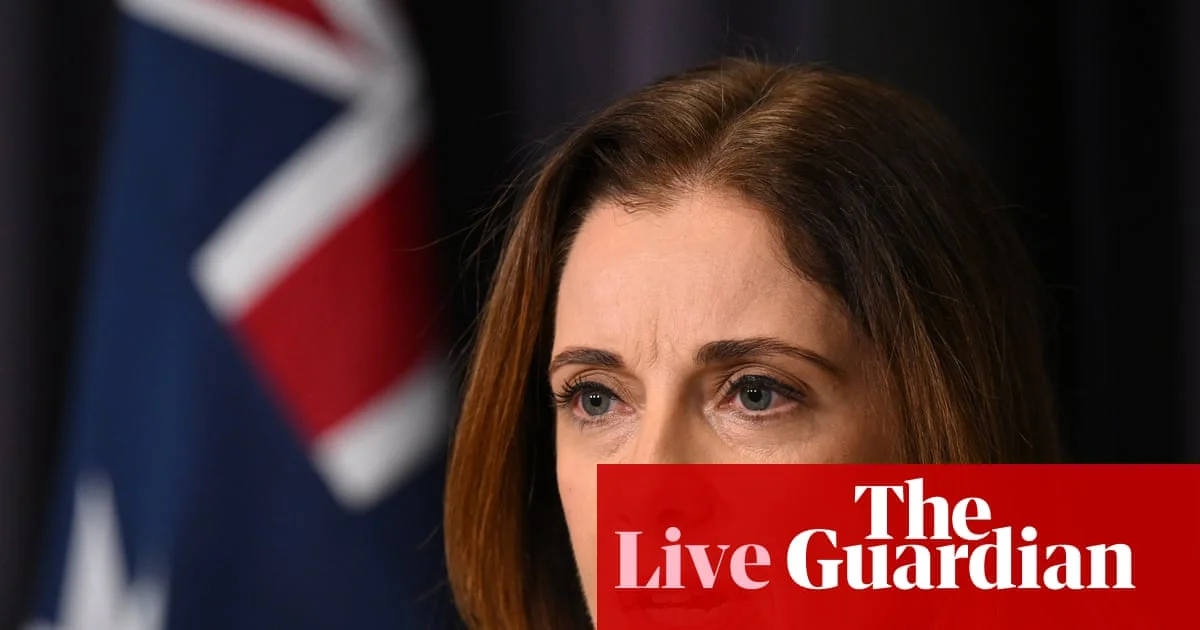
In Australia, telecommunications giant Telstra finds itself under a harsh spotlight. The company is reportedly aware of a police investigation into a death that occurred during recent network issues. While the exact link is still under investigation, this incident brings a stark reminder of how critical infrastructure failures can have devastating real-world consequences. The Australian government, through Minister Anika Wells, has stated that Telstra must 'face the music,' indicating a strong push for accountability. This situation highlights the immense pressure on large service providers to maintain uninterrupted operations, especially when lives can be on the line.
These network failures, often stemming from complex technological systems and cybersecurity vulnerabilities, can shake public trust and lead to significant financial repercussions for the company. Beyond the immediate human tragedy, such events trigger regulatory scrutiny, potential lawsuits, and a hit to the company's stock price. For investors, it's a case study in the risks associated with essential service providers – a sector often seen as stable, but susceptible to catastrophic failures.
Crypto's Rollercoaster Ride
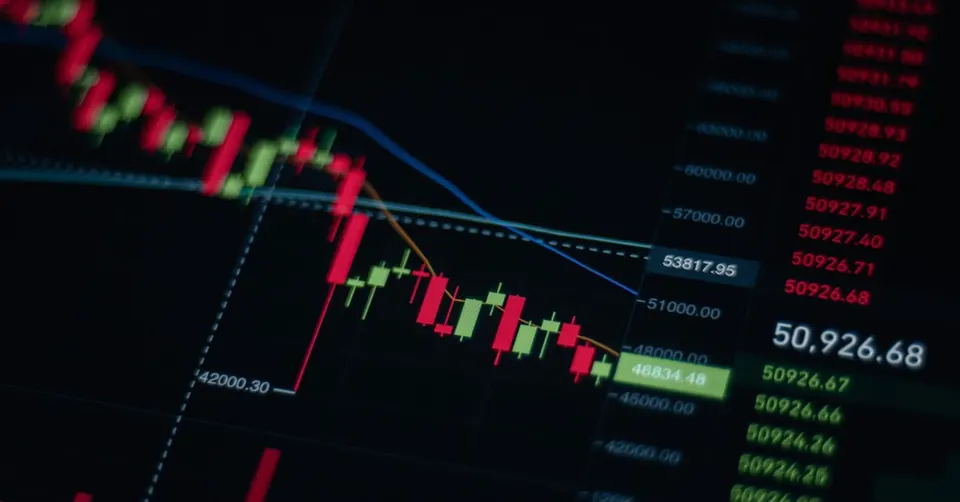
Meanwhile, the cryptocurrency market is experiencing its own brand of turbulence. Bitcoin, the market leader, is showing some positive signals, with a reliable momentum gauge like the MACD flipping bullish, suggesting potential for further upside. Key levels are being watched closely by traders to see if this bounce can sustain itself and evolve into a broader uptrend. Despite this potential, the crypto market remains inherently volatile, influenced by a myriad of factors from regulatory news to macroeconomic shifts and investor sentiment.
However, not all cryptocurrencies are moving in lockstep. Reports indicate Bitcoin is performing strongly in USD terms but lagging in JPY, as the Japanese Yen strengthens due to intervention fears. This divergence illustrates the complex interplay of global currencies and their impact on digital assets. For Iranian investors, who often turn to cryptocurrencies like USDT as a hedge against local currency fluctuations, understanding these global dynamics is crucial. The demand for stablecoins like USDT, and their perceived stability against the Toman, is directly linked to the overall sentiment and risk appetite in the broader crypto and financial markets.
Connecting the Crises: Risk, Stability, and the Toman
While the Telstra incident and the crypto market's fluctuations seem disparate, they both touch upon fundamental themes of reliability, risk, and the search for stability. In Australia, the focus is on the reliability of essential services. In crypto, it's about the stability of digital assets and the underlying technology. For us in Iran, these global events, even when distant, ripple through our local markets.
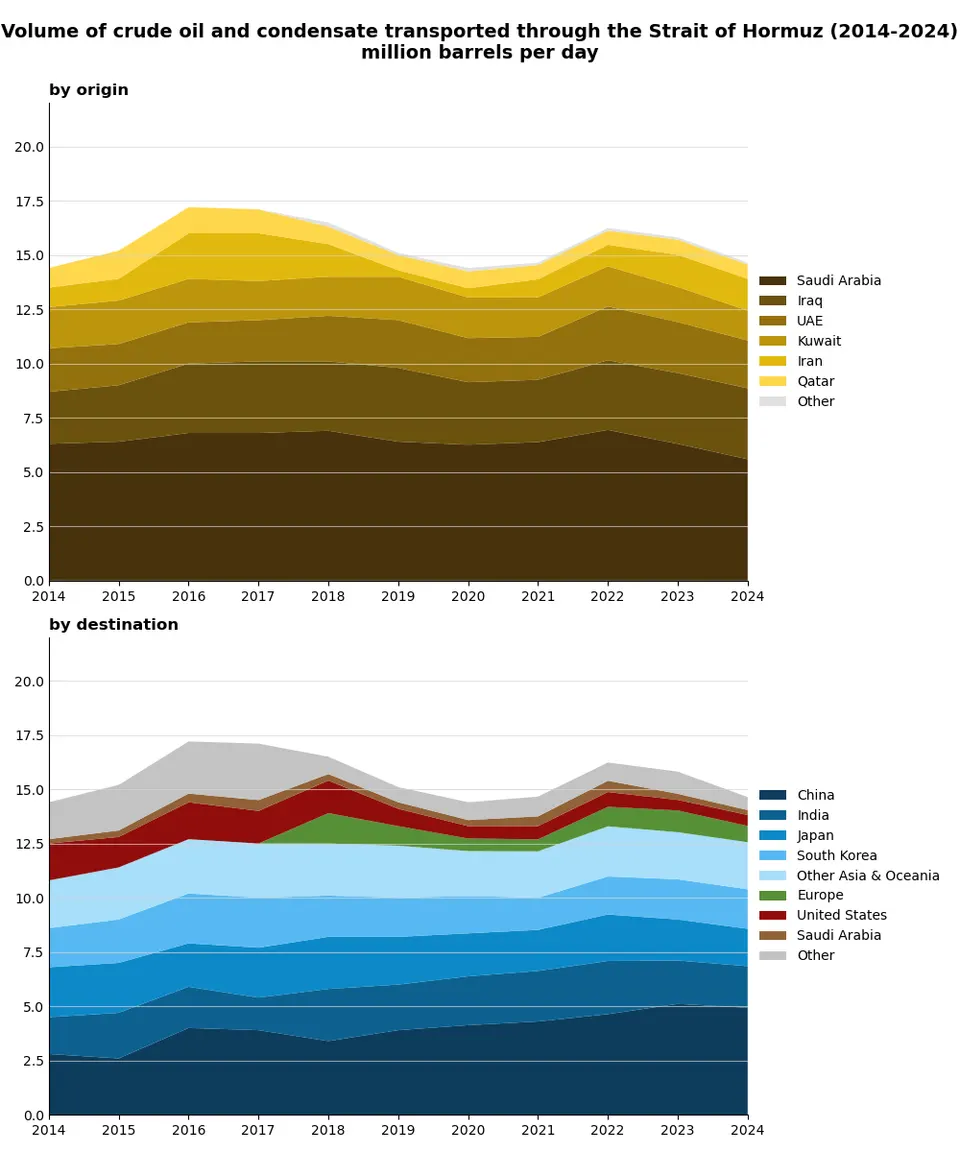
Increased global geopolitical tensions, as hinted by renewed hostilities in the Strait of Hormuz affecting LNG carriers, can indirectly influence oil prices and regional stability. While today's reports show LNG carriers braving the waters despite renewed hostilities, any escalation could increase regional risk premiums. This heightened risk environment often drives demand for safe-haven assets like gold, while simultaneously putting pressure on currencies like the Toman. The fluctuating price of gold and the USD/IRR exchange rate are direct reflections of this global uncertainty and local economic pressures.
Furthermore, the broader economic climate, including factors like potential shifts in global monetary policy or even political developments in countries like the US (though the specific Colorado primary news is less directly relevant here), can influence international capital flows and investor sentiment. When global markets are perceived as riskier, investors may pull back from emerging markets and riskier assets, which can indirectly affect demand for foreign currency in Iran. Understanding these interconnected global events, from telecom network health to the intricate movements of Bitcoin and the geopolitical stability of vital shipping lanes, is key to navigating our own financial landscape.
FAQs
Q: How does a network failure at a company like Telstra affect the broader financial market?
A: While a single company's network failure might not directly crash global markets, it can impact investor confidence in the telecommunications sector or essential service providers. It can also lead to stock price drops for the affected company and potentially trigger regulatory investigations that have financial consequences. Indirectly, it highlights the fragility of modern digital infrastructure, which underpins many financial transactions and services.
Q: Why are Iranian investors interested in USDT, and how is its stability maintained?
A: Many Iranian investors use USDT (Tether) as a stablecoin to hedge against the volatility of the Iranian Toman and the broader economic uncertainty. USDT aims to maintain its peg to the US dollar through various mechanisms, including reserves of assets (like cash, treasury bills, and commercial paper) held by its issuer. However, the actual stability and transparency of these reserves have been subjects of debate and scrutiny, making it a complex choice for users.
Q: What is the MACD indicator mentioned in relation to Bitcoin, and why is it important?
A: The MACD (Moving Average Convergence Divergence) is a popular technical analysis indicator used to identify momentum and potential trend changes in financial markets. It's calculated by subtracting the 26-period exponential moving average (EMA) from the 14-period EMA. When the MACD line crosses above the signal line, it's often interpreted as a bullish signal, suggesting potential upward price movement, as seen with Bitcoin recently. A 'bullish flip' indicates a shift from bearish to bullish momentum.
Q: How do geopolitical events in the Strait of Hormuz impact local prices in Iran?
A: The Strait of Hormuz is a critical chokepoint for global oil and gas shipments. Renewed hostilities or tensions there can disrupt supply routes, leading to increased global oil prices. Higher oil prices can fuel inflation worldwide. For Iran, increased regional instability can also lead to capital flight, increased demand for foreign currency (like USD), and pressure on the local Toman, as well as potentially affecting the price of gold and other commodities within the country.
Concept Diagram
Watch
JUST IN: Iranian targets OBLITERATED as Strait of Hormuz crisis unravels
Fox News
Frequently Asked Questions
How does a network failure at a company like Telstra affect the broader financial market?
Why are Iranian investors interested in USDT, and how is its stability maintained?
What is the MACD indicator mentioned in relation to Bitcoin, and why is it important?
How do geopolitical events in the Strait of Hormuz impact local prices in Iran?
Understanding Single Points of Failure (SPOF)
In our increasingly interconnected world, systems – be they physical infrastructure, digital networks, or global supply chains – often rely on critical components whose failure can bring down the entire operation. This vulnerability is known as a Single Point of Failure (SPOF). An SPOF is any part of a system that, if it fails, will stop the entire system from working. Identifying and mitigating SPOFs is crucial for ensuring resilience and stability across various domains, from national telecommunications networks to vital international trade routes.
Consider the example of Telstra's network woes. If a core router, a central data center, or even a specific fiber optic cable experiences a catastrophic failure without adequate redundancy, millions of users could lose internet access, impacting businesses, emergency services, and daily life. Similarly, the Strait of Hormuz, a narrow waterway crucial for a significant portion of the world's oil and gas shipments, acts as a geopolitical SPOF. Any major disruption in this strait, whether due to conflict or natural disaster, could trigger a global energy crisis and severe economic repercussions.
Even in the realm of decentralized cryptocurrencies, the concept of SPOFs can manifest in unexpected ways. While Bitcoin's underlying network is designed to be highly distributed and resistant to single points of failure, components of the broader crypto ecosystem might not be. For instance, a major centralized exchange could be an SPOF if it's hacked or collapses. Furthermore, stablecoins like USDT, which aim to maintain a pegged value, can introduce SPOFs through their collateral mechanisms or the centralized entities managing their reserves. If the backing assets are insufficient, illiquid, or mismanaged, the stablecoin's peg could break, leading to market instability.
The danger of SPOFs lies in their capacity to cause widespread disruption, economic loss, and even national security threats. To counter these risks, strategies like redundancy (having backup systems), decentralization (distributing control and resources), diversification (spreading investments or routes), and robust contingency planning are employed. By consciously designing systems with multiple pathways and fail-safes, we can build more resilient societies and economies capable of withstanding unexpected shocks, whether from technical glitches, market volatility, or geopolitical tensions.