Beyond the Label: What Vitalik’s Ethereum Rebuild and the ‘Craft Beer’ Scandal Teach Investors
فراتر از برچسبها: درسهای بازسازی اتریوم و جنجال «آبجوی دستساز» برای سرمایهگذاران ایرانی
Just as big brewers are accused of faking 'craft' credentials, the crypto world is facing its own identity crisis. We explore Vitalik Buterin’s massive Ethereum overhaul and what institutional shifts mean for your USDT and Bitcoin holdings this week.
At time of publishing
USD
175,250
Toman
Gold 18K
17.73M
Toman / gram
Bitcoin
$62,692
US Dollar
Tether
174,980
Toman
The 'Craft' Mirage: Marketing vs. Reality
In the world of consumer goods, the word "craft" implies something small-scale, authentic, and independent. However, the Campaign for Real Ale (Camra) in the UK has recently raised a red flag, accusing major global brewers of misleading consumers by using craft labels on mass-produced products. This isn't just about beer; it's a masterclass in how marketing can obscure the underlying structure of an asset. For the Iranian investor, this mirrors a frequent problem in the fintech and crypto space: projects that claim to be "decentralized" or "community-led" but are actually controlled by a handful of large entities or venture capital firms.
When we look at the current market, where the USD has risen 1.0% to 175,250 Toman in just 24 hours, the need for authenticity becomes even more critical. Investors often flock to assets they believe are "independent" of state control, yet many stablecoins and protocols carry hidden centralization risks. Just as Camra is asking the Competition and Markets Authority to investigate these "anti-competitive tactics," crypto users must look past the flashy UI of a decentralized exchange (DEX) to see who actually holds the keys. If the infrastructure is fragile or controlled by a few, the "craft" premium you are paying might just be an expensive illusion.
[IMAGE: A traditional wooden bar counter in a London pub with a 'Craft Beer' tap next to a modern laptop displaying a crypto trading chart]
Ethereum’s 'Biggest Rebuild' and the Quest for Privacy
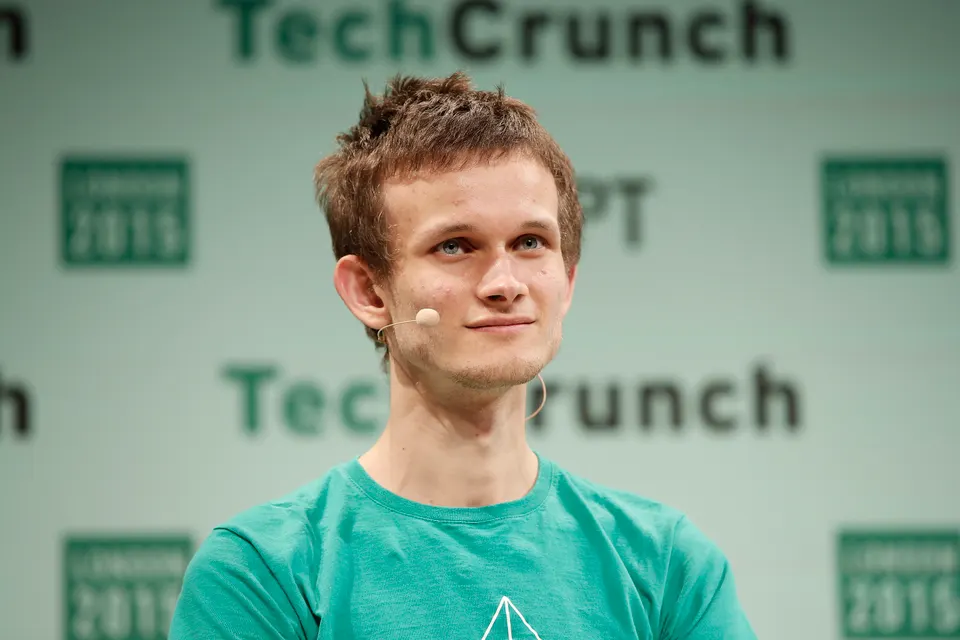
Vitalik Buterin, the co-founder of Ethereum, recently announced what he calls the protocol's "biggest rebuild" since the Merge. This isn't just a minor update; it is a fundamental overhaul designed to move privacy and quantum resistance to the top of the priority list. As Ethereum (ETH) trades around $1,760, this technical shift is a response to the growing realization that the current blockchain structure might not be enough to survive the next decade of technological advancement. For users in Iran, where financial privacy is often a matter of necessity rather than preference, these updates could eventually change how daily transactions are shielded from prying eyes.
However, this rebuild also highlights a systemic issue: the gap between a developer's vision and the user's reality. While Buterin talks about quantum resistance, the average trader is more concerned with the high gas fees and the complexity of moving assets. This disconnect is similar to the failure of institutions to protect the vulnerable, such as the recent tragedy in New South Wales where child protection services failed to act despite multiple reports. In finance, "protection" often comes too late. If the Ethereum rebuild succeeds, it could set a new standard for decentralized security, but if it remains too academic, it risks leaving the average user behind in a sea of complexity.
Macro Shadows: FOMC, SpaceX, and the Toman
As we enter the week of July 6, the global financial stage is set for significant volatility. With the FOMC minutes scheduled for release and SpaceX joining the Nasdaq 100, the line between private innovation and public market sentiment is blurring. These events dictate the "risk-on" or "risk-off" mood of global capital. When the Fed signals a hawkish stance, liquidity dries up, and speculative assets like Bitcoin—currently struggling at $62,692—feel the heat first. For Iranians, this global tightening often translates into a stronger USD/IRR rate, as seen in today's 1% climb to 175,250 Toman.
Furthermore, we must treat official narratives with caution. Whether it is Beijing defending its "Ethnic Unity" laws as a protective measure or the Iranian state media's portrayal of the massive funeral processions in Tehran as a sign of total national unity, the underlying economic reality is often different. While state television focuses on the crowds in Mashhad and Tehran, the market is quietly pricing in the uncertainty of a leadership transition. Gold 18k remains flat at 17,733,967 Toman, suggesting that while the currency is devaluing, the "safe haven" of gold hasn't yet seen a panicked surge. This suggests a market that is waiting for a clear signal before making its next big move.
Concept Diagram
Frequently Asked Questions
Why is Vitalik Buterin rebuilding Ethereum now?
How does the 'Craft Beer' scandal relate to my crypto portfolio?
Why did the USD/IRR rise 1% while gold remained flat today?
What is the significance of SpaceX joining the Nasdaq 100 for crypto?
Understanding 'Decentralization Theater' in Blockchain
Decentralization is often touted as the bedrock principle of blockchain technology and cryptocurrencies, promising a world free from central points of control, censorship, and single points of failure. This ideal envisions a network where power is distributed among many participants, making it resilient, transparent, and trustless. For projects like Ethereum, a core goal of its ongoing 'rebuilds' and upgrades is often framed around enhancing or maintaining this decentralized ethos, ensuring the network remains robust and resistant to external influence.
However, the concept of 'Decentralization Theater' highlights a critical distinction between the stated ideals of decentralization and its practical implementation. This term describes situations where a project publicly champions decentralization, yet in reality, retains significant centralized control, often by a core development team, large token holders, or specific infrastructure providers. This can manifest in various ways, such as a small group holding disproportionate voting power, reliance on centralized hosting services for nodes, or the ability of a few key figures to significantly influence the project's direction and technical roadmap.
The reasons for this 'theater' are often complex. True, radical decentralization can introduce significant challenges related to governance, scalability, and efficiency. Centralized elements can sometimes accelerate development, streamline decision-making, or improve network performance. Yet, for investors and users, it's crucial to look beyond the marketing rhetoric and critically assess the actual distribution of power and control. A project that appears decentralized on the surface might still have vulnerabilities or points of control that undermine its long-term promise of censorship resistance and trustlessness.
Understanding 'Decentralization Theater' encourages a more nuanced perspective on blockchain projects. It's not about dismissing decentralization as a goal, but rather recognizing that it exists on a spectrum and requires continuous vigilance. Evaluating a project's true level of decentralization — by scrutinizing its governance mechanisms, token distribution, development leadership, and infrastructure reliance — is essential for anyone seeking to understand the genuine resilience and integrity of a blockchain network.