Trump’s 'Decimate' Threat vs. The Rial: Why Markets Aren't Panicking—Yet
تهدید ترامپ به «نابودی» و واکنش ریال: چرا بازارها هنوز وحشتزده نشدهاند؟
As Donald Trump warns of 'decimating' Iran following reports of assassination plots, the Iranian Rial has surprisingly strengthened by 1.2%. We explore why geopolitical 'noise' sometimes fails to move the needle and how to manage your assets when the drums of war beat louder.
At time of publishing
USD
176,150
Toman
Gold 18K
17.50M
Toman / gram
Bitcoin
$64,220
US Dollar
Tether
177,800
Toman
The 'War Premium' and the Psychology of Risk
The rhetoric coming out of Washington has reached a fever pitch. With Donald Trump explicitly warning that the U.S. would "decimate" Iran if any harm comes to him, many expected the open market to spiral into a frenzy. However, today’s data shows a counter-intuitive movement: the USD/IRR pair actually fell from 178,250 to 176,150, a 1.2% drop. This phenomenon is often what traders call "pricing in the risk." When threats become a daily routine, the market builds a thick skin. Investors in Tehran have heard versions of this story for decades, and unless there is a physical move—like a blockade or a missile launch—the 'war premium' often stays capped by local liquidity realities.
It is essential to distinguish between a rhetorical threat and a structural economic shift. While the headlines are terrifying, the actual demand for hard currency today seems to be tempered by a lack of Rial liquidity in the hands of the general public. Furthermore, the news of the "Hormuz Toll" crisis being managed through diplomatic channels in Muscat has likely provided a temporary floor for the Rial. The market is currently in a "wait and see" mode, choosing to ignore the bark until it sees the bite. For the average saver, this means that buying into a panic spike can be the fastest way to lose money if the tension de-escalates as quickly as it rose.
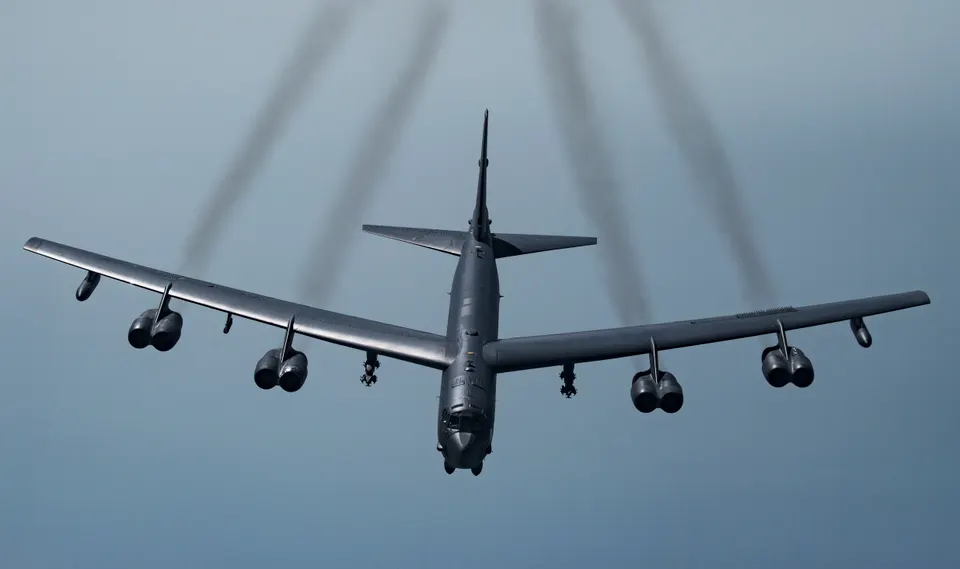
Gold: The Global Sanctuary at $4,100
While the local dollar price saw a slight correction, gold remains the undisputed king of the crisis. Globally, the gold ounce is trading at a staggering $4,121.40. Locally, 18k gold dropped slightly by 0.5% to 17,496,190 Toman per gram, following the dollar's lead, but the broader trend is unmistakable. Gold acts as an "inflation hedge" and a "geopolitical insurance policy." In a scenario where the U.S. president threatens total destruction, gold is the only asset that doesn't rely on a government's promise to pay. It is tangible, borderless, and historically resilient.
For Iranian investors, the Emami coin’s 2.5% drop to 177,000,000 Toman today reflects a cooling of the "bubble" or the premium that usually sits on top of the coin's actual gold value. This suggests that the initial shock of the Trump-Khamenei funeral rhetoric is wearing off. When you see coins dropping faster than the price of raw gold, it’s a sign that speculative fever is breaking. This is often a better time to evaluate long-term positions rather than chasing the market during the 5% daily swings that characterize high-tension weeks.
Crypto and the Digital Border
In the digital realm, Bitcoin is currently "coiling" below the $64,700 resistance level, trading at 64,220. For Iranians, crypto is no longer just a speculative tech play; it is a vital bridge to the outside world when traditional banking feels like a trap. The USDT (Tether) price in Toman currently sits at 177,800, which is slightly higher than the physical dollar rate. This "Tether Premium" exists because of the ease of movement. You cannot easily carry $50,000 across a border in your pocket, but you can carry a seed phrase in your head.
However, the crypto world is not without its own dramas. The recent news of the DOJ moving to dismiss charges against an alleged $722M BitClub fraudster serves as a reminder that the "wild west" of finance requires extreme caution. Whether it's a global superpower threatening sanctions or a fraudulent platform stealing your keys, the principle remains the same: self-custody and diversification are your only real defenses. As we look at the week ahead, the interplay between Trump’s rhetoric and the actual flow of oil through the Strait of Hormuz will be the true North Star for your portfolio's value.
The Bigger Picture: Navigating the Noise
It’s easy to get lost in the noise of dinosaur discoveries in Thailand or museum installations made of peanut butter, but for the Iranian investor, the focus must remain on the three pillars: the Dollar, Gold, and Crypto. Today’s 1.2% drop in the USD is a reminder that markets do not move in a straight line, even during a crisis. The media, as former BBC presenter John Humphrys recently noted, often thrives on the "irritating" and the sensational. Your job as a savvy investor is to filter that sensation and look at the underlying numbers.
If the U.S.-Iran conflict escalates into a kinetic war, no asset class is truly "safe," but history shows that those who remain calm and avoid panic-selling usually fare better than those who react to every tweet. Diversify across different "risk buckets." Keep some in gold for the ultimate catastrophe, some in stablecoins for mobility, and keep a very close eye on the Toman's liquidity. The current midday session shows a market that is bruised but not broken. Stay informed, stay skeptical of official narratives, and remember that in the world of finance, silence is often more expensive than a loud headline.
Watch
DEVELOPING: New intelligence cites alleged Iranian assassination plot against Trump
Fox Business