Missiles, Markets, and Your Money: Why Geopolitical Tensions Drive the Toman Down
موشک، بازار و جیب شما: چرا تنشهای نظامی قیمت دلار و طلا را بالا میبرند؟
When geopolitical sparks fly, the Iranian market reacts with a predictable 'flight to safety.' Today’s reported strikes in Bahrain and Jordan have pushed the USD up 2.0%, but understanding the underlying mechanics of 'risk premiums' can help you stay calm during the storm.
At time of publishing
USD
186,900
Toman
Gold 18K
18.33M
Toman / gram
Bitcoin
$64,804
US Dollar
Tether
187,484
Toman
The Anatomy of a Risk Premium
Geopolitics and finance are two sides of the same coin in the Iranian economy. When the Islamic Revolution Guards Corps (IRGC) claims to have carried out strikes against US military facilities in Bahrain, Jordan, and Kuwait—as reported by state media outlet IRNA regarding 'Operation Nasr-2'—the market doesn't wait for a formal confirmation from the other side. Instead, it immediately prices in the 'uncertainty.' This is what economists call a risk premium. Today, we saw the USD sell rate jump from 183,200 to 186,900 Toman, a crisp 2.0% increase in a single session. This isn't just a number; it is the collective anxiety of thousands of traders and millions of citizens manifested as a price tag.
When news of military escalation hits the wires, the first instinct for any rational actor is to preserve purchasing power. In Iran, the traditional 'panic button' is the US Dollar. The logic is simple: if the situation worsens, international trade becomes harder, sanctions might tighten, and the local currency's value could erode further. Therefore, people sell Toman to buy Dollars, even at a premium. This surge in demand, coupled with a sudden scarcity as sellers hold onto their hard currency, creates the rapid price spikes we witnessed today. It is a cycle of fear that feeds itself until the news cycle stabilizes or a new equilibrium is reached.
Gold: The Ultimate Hedge Against Chaos
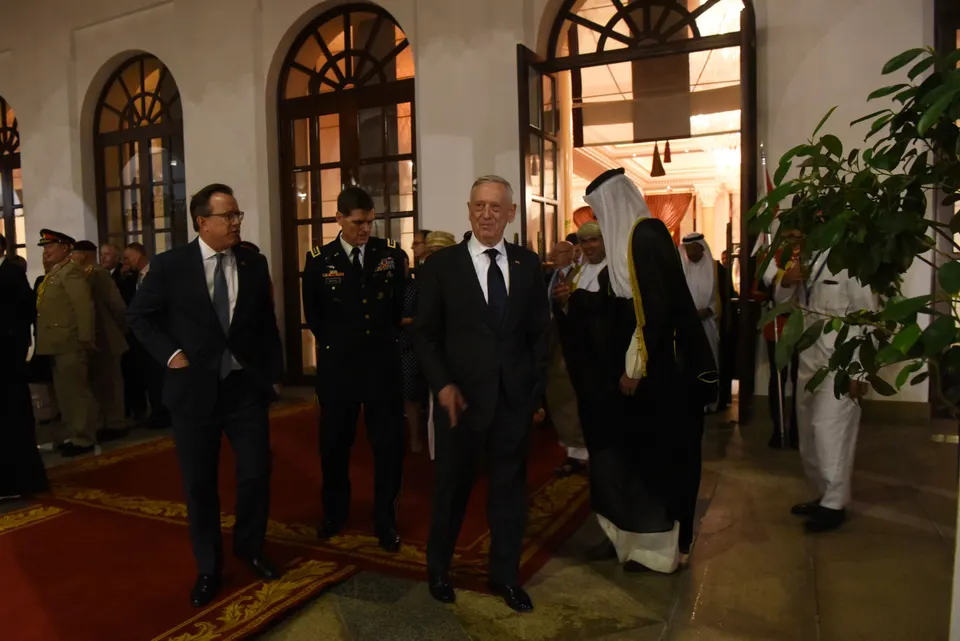
While the Dollar is the primary tool for liquidity, gold is the ultimate storage of value during times of conflict. Today, Gold 18k rose from 17,856,318 to 18,329,562 Toman per gram, a significant 2.7% jump. This outpaced the Dollar's rise, indicating that the 'gold premium' is currently higher than the 'currency premium.' The Emami coin also followed suit, rising 2.2% to reach 185,000,000 Toman. Gold is unique because it carries no 'counterparty risk'—it doesn't rely on a government or a bank to be valuable. In the context of the recent claims by Foreign Ministry spokesperson Esmaeil Baqaei that new atrocities only 'harden' Iranian resolve, the market interprets this as a sign of prolonged friction, making gold even more attractive.
---
Investors should understand that these price movements are often 'knee-jerk' reactions. While the immediate impact is a rise in prices, the long-term trajectory depends on whether these military claims translate into a full-scale regional shift or remain contained skirmishes. Historically, the 'war premium' on gold tends to spike during the first 48 hours of an event and then slowly decays if no further escalation occurs. However, in an economy already strained by sanctions and high inflation, these shocks leave a permanent mark on the floor price of assets, making it harder for the Toman to ever fully recover its lost ground.
The Digital Alternative: Bitcoin and Tech Resilience
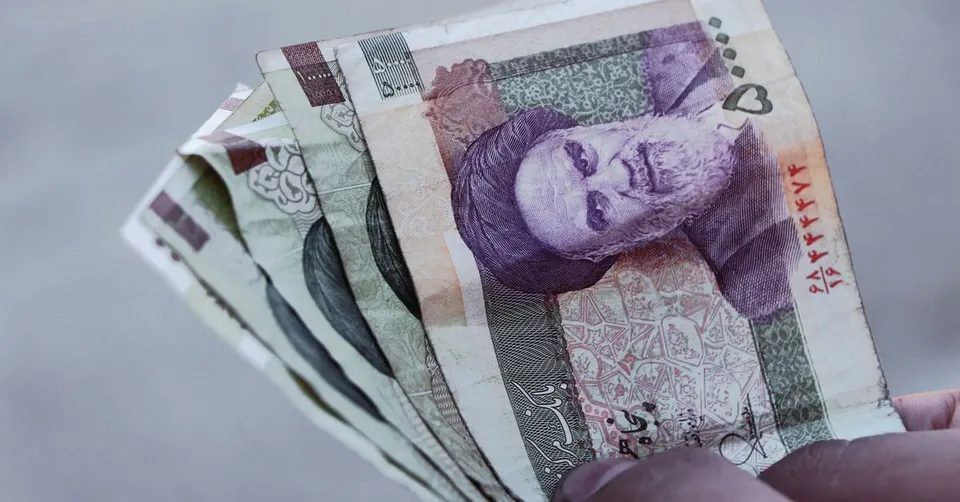
Interestingly, while the local market is focused on physical assets, the global digital market is showing its own signs of strength. Bitcoin (BTC) has broken above resistance near $65,000, currently trading at $64,804. This rise is partly driven by institutional confidence, as U.S. spot Bitcoin ETFs recently saw inflows of $181 million. For the Iranian investor, crypto represents a third path: a way to hold a global asset that is independent of both the Toman’s local volatility and the physical risks associated with holding gold or cash. When the IRGC announces strikes, USDT (Tether) often trades at a premium over the physical dollar, as seen today with USDT hitting 187,484 Toman.
Finally, we must look at how technology is evolving to bypass physical and geopolitical barriers. SpaceX has recently made the Starlink V5 dish available, which is smaller, more efficient, and designed for easier deployment. In a world where 'infrastructure threats' are part of the daily news cycle, decentralized tools—from Bitcoin to Starlink—offer a layer of resilience that traditional systems cannot provide. As the UN envoy Amir Saeid Iravani dismisses allegations at the Security Council, the average person is less concerned with the diplomatic back-and-forth and more focused on securing their digital and physical assets against the next wave of uncertainty.
Frequently Asked Questions
What is a 'Risk Premium' in the context of the Iranian market?
Why did Gold 18k rise faster (2.7%) than the US Dollar (2.0%) today?
Does Bitcoin act as a safe haven for Iranians during regional conflicts?
How do Starlink V5 updates relate to financial resilience?
Safe Haven Assets: Protecting Wealth Amid Geopolitical Storms
In times of heightened geopolitical tension or economic uncertainty, investors often seek out what are known as safe haven assets. These are investments that are expected to retain or even increase in value when the broader market is declining or experiencing volatility. The primary goal of moving into safe havens is capital preservation – protecting one's wealth from the erosion caused by instability, inflation, or currency depreciation. Unlike speculative investments, safe havens are valued for their perceived stability and reliability during turbulent periods.
The mechanism behind the appeal of safe haven assets is often described as a "flight to quality." When risk aversion increases, investors tend to divest from assets perceived as risky – such as local stocks, real estate, or a volatile domestic currency – and reallocate their capital into assets with a proven track record of stability. This increased demand for safe havens can drive up their prices, further reinforcing their role as protectors of wealth. Classic examples include physical gold, which has been a store of value for millennia, and certain strong, stable currencies like the US Dollar (USD), Japanese Yen (JPY), or Swiss Franc (CHF).
In contexts like Iran, where geopolitical risks are consistently high and the local currency (Toman/Rial) frequently experiences significant depreciation against major international currencies, the concept of safe haven assets becomes particularly critical for ordinary citizens. When events like regional strikes or military operations escalate tensions, the Toman often weakens sharply. Iranians, seeking to shield their savings from inflation and devaluation, flock to assets like gold or hard currency (primarily USD) as reliable stores of value. This surge in demand for gold and foreign currency, in turn, can further exacerbate the Toman's depreciation, creating a self-reinforcing cycle. While more volatile, cryptocurrencies like Bitcoin are also increasingly viewed by some as an alternative safe haven, especially in environments with capital controls or limited access to traditional hard currencies.