
From Tabriz Mats to Global Charts: Why the Toman is Spiking While Bitcoin Cools
از تشکهای تبریز تا نمودارهای جهانی: چرا تومان سقوط میکند و بیتکوین آرام گرفته است؟
While local headlines focus on regional sports and diplomatic MoUs, the Iranian market is reacting sharply with USD climbing to 206,300 Toman. We explore the divergence between local currency pressure and the cooling of the global Bitcoin ETF frenzy.
At time of publishing
USD
206,300
Toman
Gold 18K
21.85M
Toman / gram
Bitcoin
$77,623
US Dollar
Tether
203,535
Toman
The Local Pressure Cooker: USD and Gold on the Rise
On a Saturday that should have been defined by local narratives, the Iranian market delivered a stark reminder of its underlying volatility. While state media outlets like IRNA highlighted regional Kung Fu competitions in Tabriz—held to honor the memory of the Supreme Leader and those lost in recent regional conflicts—the economic reality on the street took a different path. The US Dollar (USD) rose sharply from 201,500 to 206,300 Toman, a 2.4% jump in just 24 hours. This move isn't just a number; it represents a thinning of purchasing power for every Iranian household, regardless of the diplomatic optimism expressed by President Pezeshkian regarding the Islamabad Memorandum of Understanding (MoU).
Gold, the traditional shield against such currency erosion, followed suit. 18-karat gold rose 1.3% to reach over 21.8 million Toman per gram. When the Toman weakens, gold acts as a mirror, reflecting the public's desire to exit the local currency and find safety in hard assets. This 'flight to safety' is often triggered by a lack of confidence in official claims. While the government describes the Islamabad agreement as a 'major achievement,' the market's reaction suggests that traders are still pricing in the risk of continued sanctions and the long-term costs of regional instability.
The Global Speed Bump: Bitcoin's ETF Inflow Streak Ends
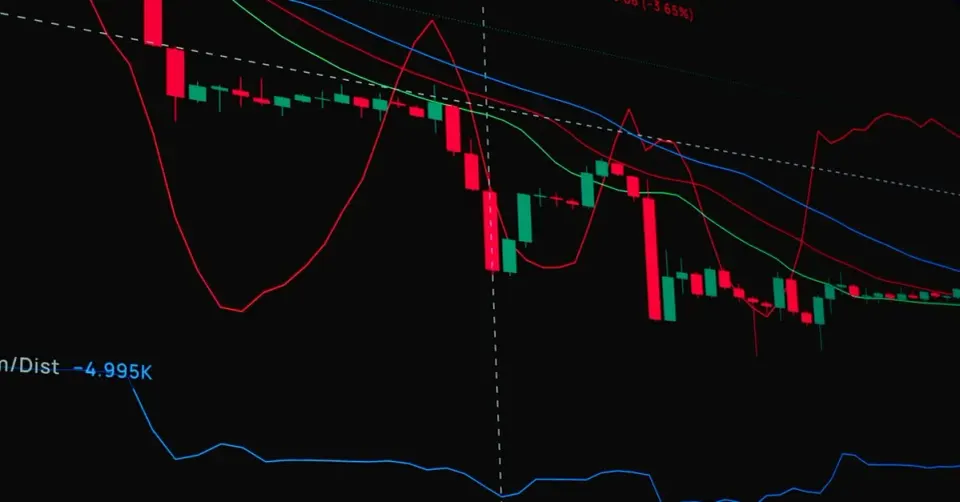
While the Toman is under pressure, the global cryptocurrency market is experiencing its own reality check. After a massive run-up, Bitcoin ETFs (Exchange-Traded Funds) have finally seen their nine-day inflow streak come to an end. On Friday, spot Bitcoin ETFs recorded over $201 million in net outflows, led by the ARK 21Shares fund. This cooling off has pushed Bitcoin's price down to around $77,623, as investors take profits and reassess the sustainability of the recent rally. For an Iranian investor, this creates a confusing dynamic: the global asset is 'dipping,' but because the Toman is falling even faster, the local price of BTC remains prohibitively high.
Understanding ETFs is crucial for any modern investor. Think of an ETF as a basket that holds Bitcoin; when big institutional players in the US sell their shares in that basket, it creates downward pressure on the actual price of Bitcoin. The fact that total fund assets have slipped back below the $100 billion mark suggests that the 'easy money' phase of this cycle might be pausing. This is a classic example of market exhaustion, where the price hits a psychological ceiling—in this case, the $78,000 to $80,000 range—and needs a new catalyst to move higher.
The Credibility Crisis: Are Stablecoins Real Money?
Adding to the global uncertainty are recent comments from Pablo Hernández de Cos, the chief of the Bank for International Settlements (BIS). He recently stated that stablecoins like USDT (Tether) lack the credibility required for payments at a massive scale. For Iranians, who rely heavily on USDT to bypass banking restrictions and move value across borders, this is a significant statement. The BIS argues that because stablecoins are issued by private entities rather than central banks, they don't have the same 'guaranteed' stability during a financial crisis.
However, there is a major gap between what central bankers say and what the market does. In Iran, the USDT price currently sits at 203,535 Toman, serving as the primary bridge to the global economy. While the BIS worries about 'issuer rules' and 'scalability,' the everyday user in Tehran sees USDT as a vital tool for survival in a sanctioned environment. The debate over stablecoin credibility highlights a growing divide: central banks want control and regulation, while users in volatile economies prioritize utility and accessibility. As long as the Toman remains unstable, the demand for these digital dollars will likely outweigh the warnings from international regulators.

Connecting the Dots: Why Global Risk Matters Locally
It is easy to think that a flood in the Himalayas or a trade war between the US and Canada has nothing to do with the price of bread in Tabriz, but the global economy is deeply interconnected. The devastating floods on the Nepal-Tibet border, which have left thousands missing and caused billions in damage, contribute to a general 'risk-off' sentiment in global markets. When disaster strikes or trade wars escalate—like the current tariff battle between the US and Canada—investors tend to pull money out of 'risky' emerging markets and speculative assets, which can indirectly tighten the global supply of dollars.
For the Iranian reader, the lesson is clear: your local economy does not exist in a vacuum. The rise in USD/IRR is a combination of local political tension, such as the '40-day war' rhetoric mentioned in Tabriz, and global shifts in how money moves. Whether it is a Kung Fu competition or a high-level MoU, these events provide the emotional backdrop, but the numbers—the 2.4% jump in USD and the $200 million exit from Bitcoin ETFs—provide the hard truth. Staying informed means looking past the headlines to see how global flows of capital are actually shaping your financial future.
Concept Diagram
Frequently Asked Questions
Why is the Toman falling while Bitcoin is also dropping globally?
What does the end of the Bitcoin ETF inflow streak mean for me?
Is USDT (Tether) safe to hold despite the BIS warnings?
How do regional events like the Islamabad MoU affect currency prices?
Currency Devaluation and the Quest for Alternative Stores of Value
The recent surge in the Iranian Toman's value against other currencies, often referred to as a "spike" in its exchange rate (meaning it takes more Toman to buy a USD, indicating devaluation), while global cryptocurrencies like Bitcoin might be cooling, highlights a critical economic phenomenon: currency devaluation and the subsequent flight to alternative stores of value. Currency devaluation occurs when a country's monetary authority intentionally lowers the value of its currency relative to other currencies, or more commonly, when market forces (such as high inflation, economic instability, or international sanctions) cause its purchasing power to erode significantly. This erosion means that the same amount of local currency buys fewer goods and services over time, effectively diminishing the wealth of its citizens.
In environments marked by persistent currency devaluation and high inflation, the traditional role of a national currency as a reliable store of value is severely compromised. People and businesses lose confidence in holding their savings in the domestic currency, as its value can evaporate rapidly. This loss of trust compels them to seek out assets that are perceived to retain their value better, or even appreciate, during times of economic uncertainty. These "alternative stores of value" can include tangible assets like gold, real estate, and durable goods, or increasingly, digital assets such as cryptocurrencies.
Gold has historically served as a hedge against inflation and economic turmoil due to its intrinsic value and limited supply. Similarly, cryptocurrencies like Bitcoin, with their decentralized nature and often capped supply, are increasingly viewed by some as "digital gold," offering a potential safeguard against traditional financial system instability and currency debasement. Stablecoins, like Tether, attempt to bridge this gap by pegging their value to a stable asset (often the US dollar), providing a relatively stable digital alternative for transactions and savings in volatile local currency markets.
The dynamic observed in Iran, where the Toman's value is under pressure, often drives increased demand for assets like gold and cryptocurrencies within the country, even if global markets for these assets are experiencing a downturn. For many, these aren't speculative investments but rather essential tools for preserving wealth and maintaining purchasing power against a rapidly depreciating national currency. Understanding this fundamental economic principle is key to deciphering seemingly contradictory market movements between national currencies and global asset classes.