The $90 Oil Ripple: Why Ryanair's Profit Dip Predicts Your Next Market Move
نفت ۹۰ دلاری و سقوط سود رایانایر؛ چرا تلاطم بازارهای جهانی به جیب شما میرسد؟
As Brent crude oil surges past $90, even European budget airlines are feeling the sting. Discover how global energy costs and the 'risk premium' directly influence the Toman's volatility and your investment strategy.
At time of publishing
USD
187,200
Toman
Gold 18K
18.21M
Toman / gram
Bitcoin
$64,191
US Dollar
Tether
187,750
Toman
The Ryanair Warning: Why European Profits Matter in Tehran
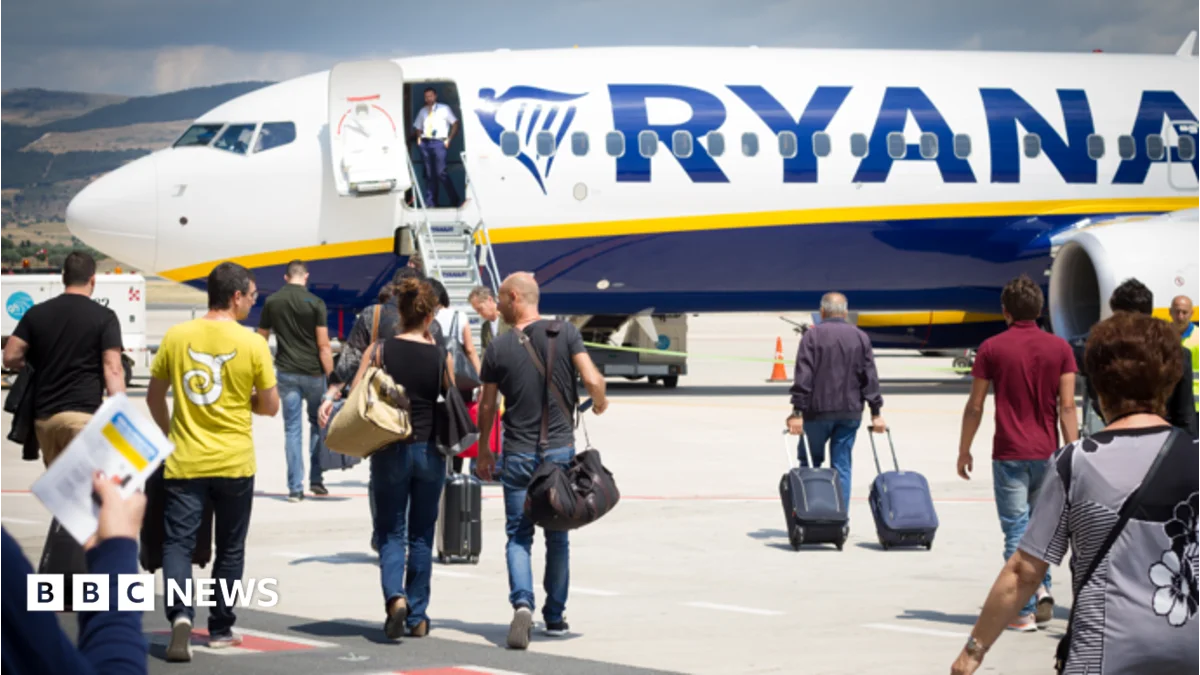
Ryanair, the giant of low-cost European travel, recently reported a sharp decline in profits, citing a dual-threat: rising fuel costs and a visible drop in passenger confidence. This isn't just a story about aviation; it is a textbook example of how geopolitical tension—specifically the expanding conflict involving the U.S. and Iran—manifests in the real economy. When Brent crude oil surpasses $90 per barrel, it acts as a global tax. For an airline, fuel is the single largest expense. For you, it represents the beginning of a cycle where transportation, manufacturing, and eventually, the consumer goods in your local shop become more expensive.
In the last 24 hours, we have seen Brent jump nearly 4% as news of strikes and counter-strikes dominates the headlines. While an airline in Dublin might seem worlds away from a trader in Tehran, they are connected by the same umbilical cord of energy prices. When fuel costs rise, global liquidity often tightens. Investors move away from 'growth' stocks and toward 'safety,' creating a ripple effect that eventually reaches the crypto and currency markets we navigate every day.
[IMAGE: Ryanair aircraft tail fin at Dublin Airport with a digital screen in the foreground displaying a 90 dollar Brent crude oil price]
Understanding the 'Risk Premium' in Your Local Market
In financial terms, the 'Risk Premium' is the extra cost added to an asset because of uncertainty. Today's market data shows a fascinating divergence. While global oil is surging, the local Iranian market saw a 2.0% drop in the USD/IRR rate, falling to 187,200 Toman, and a 2.9% decline in the Emami coin to 183,500,000 Toman. This might seem counterintuitive if oil is rising, but it highlights a critical lesson: local markets often react to 'de-escalation' news faster than global ones. Iranian state media, for instance, claimed that Tehran has received proposals from mediators aimed at reducing tensions.
This 'Risk Premium' is like a spring. When tensions are high, the spring is compressed, and prices (like the Toman or Gold) shoot up. When there is even a hint of a diplomatic 'proposal'—regardless of its eventual success—the spring releases, leading to the 2.0% correction we see today. For the smart investor, the goal is not to buy when the spring is most compressed (at the height of the news), but to understand that these spikes are often driven by sentiment rather than long-term economic shifts.
The Ripple Effect: From Fuel to Fintech
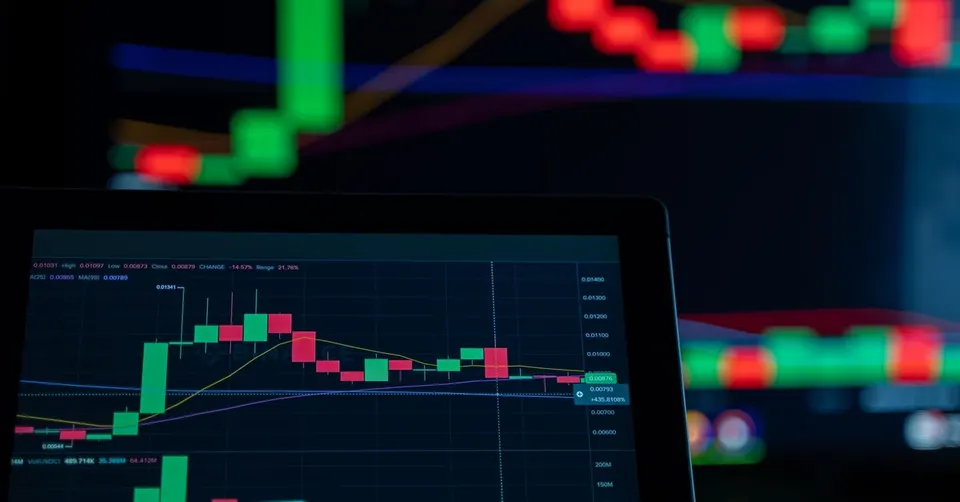
Why should an Iranian crypto enthusiast care if Bitcoin is flat at $64,191 while oil hits a one-month high? The answer lies in the 'Risk-On/Risk-Off' cycle. When energy prices spike due to war, institutional money often flees 'Risk-On' assets like Bitcoin to cover losses in other sectors or to buy 'Safe Havens' like gold. However, in the Iranian context, the USDT (Tether) often behaves differently. Today, USDT is trading at 187,750 Toman, maintaining a slight premium over the physical dollar rate. This 'Tether Premium' often expands during times of regional conflict because it is the fastest exit ramp for local capital.
Understanding these connections allows you to move from being a reactive gambler to a proactive investor. When you see news of an airline's profits dropping due to fuel, or oil hitting a psychological barrier like $90, you should immediately look at your portfolio's exposure to 'volatility.' Are you holding enough stable assets to weather a potential spike in the 'Risk Premium'? Or are you over-leveraged in assets that will bleed if global liquidity dries up? Today’s 2% dip in the dollar is a reminder that in the world of finance, the only constant is change, and the best tool is a cool head.

Frequently Asked Questions
Why does a drop in Ryanair's profit matter to an Iranian investor?
What is the 'Risk Premium' and how does it affect the Toman?
Why did the USD/IRR price fall today despite oil prices rising?
Is USDT a safer hedge than physical gold during regional tensions?
Understanding the Risk Premium: Why Geopolitics Moves Markets
In finance, a crucial concept for understanding market movements, especially in the face of global events, is the Risk Premium. Simply put, it's the extra return or compensation that investors demand for taking on a higher level of risk compared to a risk-free asset. When you invest in something inherently more uncertain or volatile, you expect a greater potential reward to justify that increased exposure to loss. This premium is a fundamental component of asset pricing, influencing everything from bond yields to stock valuations and commodity prices.
The existence and magnitude of a risk premium are driven by various factors, prominently including geopolitical instability, economic uncertainty, and even company-specific risks. For instance, the keywords mentioning an "Iran war" or "Middle East geopolitical risk" directly point to scenarios that significantly elevate perceived risk. Investors, faced with the potential for supply disruptions, increased production costs, or broader economic fallout, will demand a higher return to hold assets exposed to these uncertainties. This demand for greater compensation is precisely the risk premium at play.
Consider the impact on commodity markets, specifically oil, as highlighted by "Brent crude oil price." When geopolitical tensions escalate in a major oil-producing region like the Middle East, the market instantly prices in a higher risk premium for oil. This isn't just about actual supply cuts; it's often more about the uncertainty of future supply and transit, or the potential for conflict to disrupt production. Traders and investors demand a higher price for oil contracts to compensate for this heightened risk, pushing up the per-barrel cost.
This increased risk premium on oil has a direct ripple effect across industries. For airlines like Ryanair, as mentioned in the headline, higher Brent crude prices translate directly into increased fuel costs. This impacts their operational expenses, potentially reducing profit margins and influencing their stock performance. Ultimately, understanding the risk premium allows curious readers to grasp how seemingly distant geopolitical events can have very tangible and immediate financial consequences, predicting broader market moves and affecting the prices we pay for goods and services.