
The Arbaeen Liquidity Trap: Security Tensions and Crypto ‘Survival Risks’ Impacting the Toman
تله نقدینگی اربعین: از امنیت مرزها تا ریسک بقای شرکتهای کریپتویی؛ چرا تومان گران شد؟
As Arbaeen security takes center stage in Iraq, the Iranian Toman faces seasonal pressure and a 0.3% rise against the Dollar. Meanwhile, a Nasdaq-listed crypto firm warns of total collapse, offering a masterclass in why liquidity matters more than paper wealth.
At time of publishing
USD
192,200
Toman
Gold 18K
18.40M
Toman / gram
Bitcoin
$62,576
US Dollar
Tether
192,011.26
Toman
The Seasonal Surge: Why Arbaeen Moves Markets
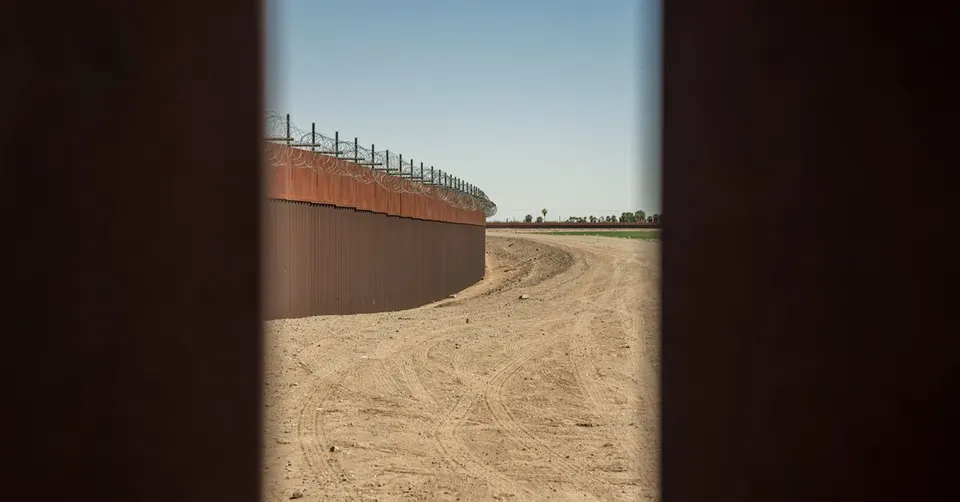
Every year, as millions of pilgrims prepare for the Arbaeen walk, the Iranian market experiences a unique phenomenon: the seasonal demand for 'traveler liquidity.' This year, the head of the Iraqi Popular Mobilization Forces (PMF), Falih Al-Fayyad, has emphasized a heightened state of security and intelligence efforts to safeguard the routes. While security is a logistical concern, in the world of finance, 'heightened security' often translates to market caution. We’ve seen the USD/IRR pair rise from 191,700 to 192,200 Toman (+0.3%) in just 24 hours, reflecting this underlying tension and the rush for physical cash among those crossing the border.
For the average Iranian, this isn't just about religious observance; it's about the 'Arbaeen Effect' on the currency. When demand for Iraqi Dinars and US Dollars spikes for travel purposes, the Toman naturally feels the weight. The government's claims of managing the market are often tested during this period, as the informal market usually leads the way. With security being a primary focus, any news of friction or border delays can cause speculative spikes. This is why we see Gold 18k and Emami coins also rising by 0.4% and 0.5% respectively—investors are hedging against potential regional volatility during this massive movement of people.
The ZeroStack Warning: A Lesson in Paper Wealth
Turning to the global stage, the crypto world received a cold shower today. ZeroStack, a Nasdaq-listed crypto treasury firm, warned of a 'survival risk' after reporting an $82.5 million loss. The crux of their failure? They relied almost entirely on 'staking rewards' to fund their operations, while their core holdings were valued 91% below their recorded costs. This is a classic example of what we call a 'liquidity trap.' On paper, ZeroStack looked wealthy; in reality, they couldn't sell their assets without crashing the price further, and the income they expected from staking simply wasn't enough to pay the bills.
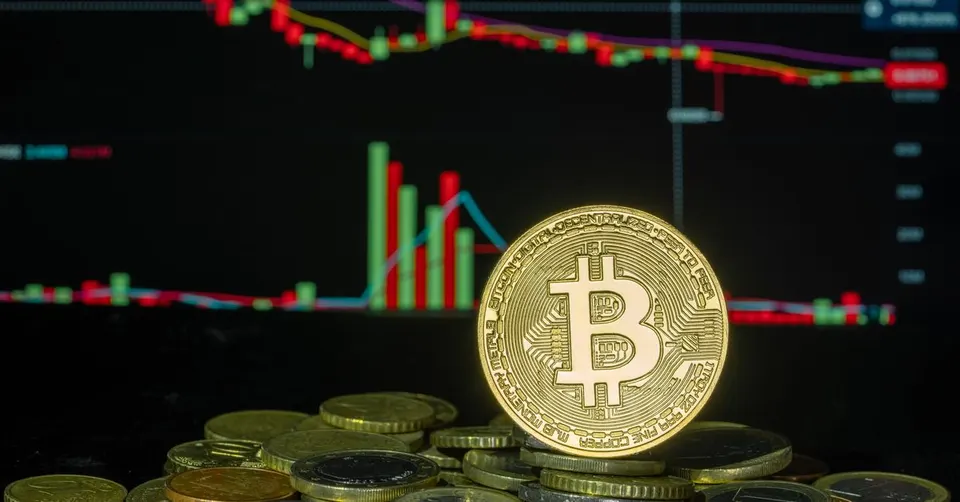
For Iranian crypto enthusiasts, this is a vital lesson. Many local traders 'stake' their assets or participate in DeFi protocols promising high yields. However, if the underlying asset loses 90% of its value—as ZeroStack’s 0G holdings did—the 10% or 20% annual yield becomes irrelevant. In a market where Bitcoin is struggling to hold the $62,000 support level, as indicated by recent data, the risk of 'insolvency' among smaller firms and individual portfolios is real. When a Nasdaq-listed company admits it might not survive, it’s a signal that the 'easy money' era of crypto is being replaced by a brutal focus on actual cash flow.
Global Giants vs. Local Realities
While crypto firms struggle, the traditional financial world is seeing massive consolidation. AstraZeneca is reportedly in talks for a $400 billion merger with Bristol Myers Squibb. This would create the world's fourth-largest drugmaker. Why should an Iranian investor care about a British-American pharma merger? Because it signals where global capital is moving. In times of high interest rates and geopolitical uncertainty, 'Big Money' moves toward defensive sectors like healthcare. They are fleeing the volatility of tech and crypto for the stability of medicine and essential services.
This global shift mirrors our local behavior. When we see the Emami coin rise to 185,000,000 Toman, we are doing exactly what AstraZeneca is doing: seeking 'defensive' assets. Whether it's a multi-billion dollar merger or a single gold coin purchase in Tehran, the motivation is the same: protection against a future that feels increasingly unpredictable. As Bitcoin tests its $62,000 support amidst news of hacks like Coldcard, the message is clear: diversify into assets that have intrinsic, real-world utility, and never mistake 'staking rewards' for guaranteed income.

Concept Diagram
Frequently Asked Questions
Why does the price of the Dollar usually rise before Arbaeen?
What is 'survival risk' in the context of the ZeroStack news?
Is the Bitcoin $62,000 level a strong support?
How does a pharmaceutical merger like AstraZeneca's affect Iranian investors?
Understanding the Liquidity Trap: When Money Loses Its Power
The term "liquidity trap" describes a peculiar economic situation where conventional monetary policy loses its effectiveness. Classically, it refers to a scenario where interest rates are extremely low, often near zero, and the public chooses to hoard cash rather than investing or spending. This happens because people anticipate future negative events, such as deflation or an economic recession, making them believe that holding liquid cash is safer or that future investments will yield better returns if prices fall further. In such a trap, central banks' efforts to stimulate the economy by injecting more money or lowering interest rates further prove futile, as the money simply sits idle.
While the classical liquidity trap primarily concerns near-zero interest rates in developed economies, the headline alludes to a similar phenomenon impacting the Iranian Toman, albeit under different circumstances. In economies grappling with high inflation, currency depreciation, and economic instability, a "liquidity trap" can manifest as a widespread preference for holding stable foreign currencies (like the USD) or even stable cryptocurrencies over the local currency. People hoard these alternative assets as a store of value, fearing further erosion of the Toman's purchasing power. This persistent demand for foreign assets, exemplified by "Arbaeen currency demand" during pilgrimage seasons, drains liquidity from the local economy and puts immense pressure on the Toman's exchange rate.
The consequences of such a trap are severe. Monetary policy tools, like adjusting interest rates or managing money supply, become significantly less effective in stabilizing the local currency or stimulating domestic investment. Instead of circulating within the national economy, capital is diverted into foreign assets, leading to a shortage of local currency for productive investments and exacerbating inflationary pressures. For individuals, this creates "survival risks" as they struggle to preserve their wealth, often turning to volatile assets like Bitcoin or stablecoins, which themselves carry risks, as highlighted by "ZeroStack crypto loss" in the keywords. Understanding this behavior is crucial for comprehending the challenges faced by currencies like the Toman in turbulent economic environments.