

Houthi Escalation in Yemen: What It Means for Iran's Economy and Regional Stability
تشدید حملات حوثیها در یمن: پیامدهای اقتصادی و ثبات منطقهای برای ایران
The Houthi militia's recent attacks on Yemen's military threaten to reignite a devastating civil war, with significant implications for Iran's regional influence and economic stability. This escalation could impact oil prices, trade routes, and investor confidence, affecting everything from currency expectations to the cost of goods in Iran.
At time of publishing
USD
187,000
Toman
Gold 18K
18.66M
Toman / gram
Bitcoin
$64,762
US Dollar
Tether
187,620
Toman
Houthi Attacks: A New Spark in Yemen's Tinderbox
The fragile truce in Yemen is once again under threat as the Iranian-backed Houthi militia launches significant attacks on the Yemeni armed forces. Reports indicate these strikes have targeted military installations in two resource-rich provinces, a move that could easily drag the nation back into a full-blown civil war. This development is particularly concerning given the region's already volatile geopolitical landscape and the potential for wider conflict.
The Houthis, who control significant parts of Yemen including the capital Sanaa, have been engaged in a protracted conflict with the internationally recognized government, supported by a Saudi-led coalition. While a UN-brokered truce had brought a semblance of calm, these renewed offensives signal a dangerous shift. The militia's stated targets suggest a strategic aim to destabilize the government further and potentially seize more territory, raising alarms about a complete breakdown of peace efforts.
---
Why This Matters to Iran and Its Economy
Tehran's backing of the Houthis, though officially denied, is widely perceived, and this latest escalation has direct and indirect implications for Iran. Geopolitically, a resurgent Houthi movement could be seen as a proxy victory for Iran, projecting its influence deeper into the Arabian Peninsula. However, this comes with significant risks. A prolonged conflict in Yemen could lead to increased international scrutiny and potentially new sanctions or tighter enforcement of existing ones on Iran, impacting its already strained economy. Furthermore, instability in the region, particularly concerning maritime trade routes like the Bab-el-Mandeb strait, can directly affect global oil prices. If these vital shipping lanes are disrupted, crude oil prices could surge, leading to higher import costs for nations worldwide, including Iran, and potentially exacerbating inflationary pressures on the local market.
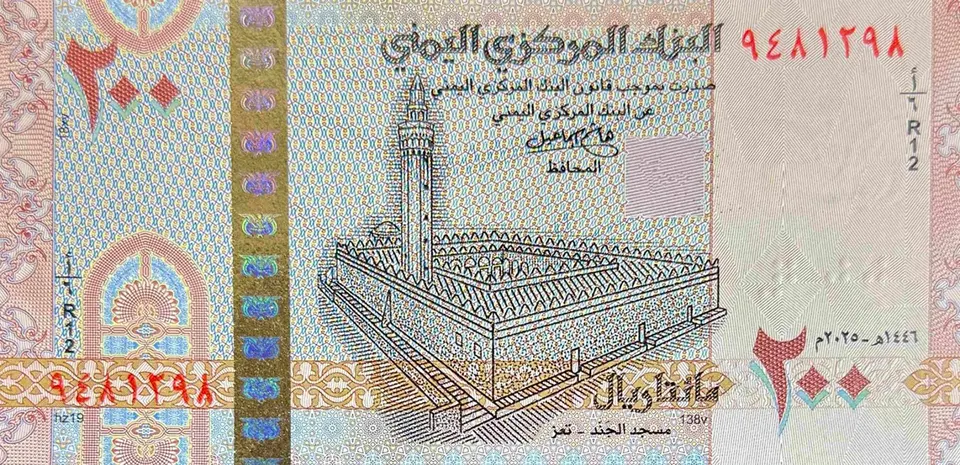
The psychological impact on markets is also undeniable. Heightened regional tensions often lead to a decrease in investor confidence and a flight to perceived safe-haven assets. For Iranians, this could translate into increased demand for the US dollar and gold as hedges against uncertainty, potentially driving up their prices in the local Toman market, even if the official USD/IRR rate remains stable. The current market shows USD sell at 187,000 Toman, with gold prices showing a slight uptick. While the USD/IRR pair has been flat at 0.0% in the last 24 hours, any significant regional flare-up could quickly alter this dynamic.
---
The Bigger Picture: Regional Power Plays and Economic Ripples
This situation in Yemen is a microcosm of the broader regional power struggle. The Houthi attacks occur against a backdrop of shifting alliances and security pacts, such as the planned defence agreement between Saudi Arabia, Pakistan, and Turkey. Such developments highlight a complex web of relationships where actions in one theater can have cascading effects across the region. The potential for a renewed civil war in Yemen could distract regional powers, alter strategic calculations, and create new opportunities or threats for Iran's foreign policy objectives.
For international markets, the primary concern remains the potential impact on global energy supplies and shipping. Yemen's strategic location near major oil transit routes means any significant disruption could have immediate global repercussions. This uncertainty feeds into broader market sentiment, influencing everything from stock markets to commodity prices. While specific news about the Thai school shooting or UK housing policies might seem distant, they contribute to an overall global atmosphere of instability that can indirectly affect risk appetite and investment flows into markets relevant to Iranian readers, such as cryptocurrency.
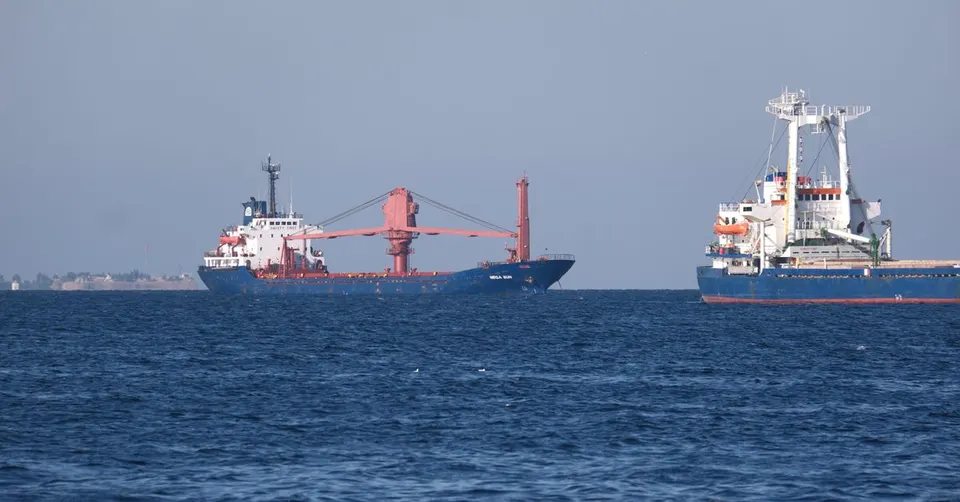
In the crypto space, events like the Coldcard exploit, which saw July losses reach $247 million, remind investors of inherent risks. Bitcoin has shown resilience, with whales accumulating significant amounts, but overall market sentiment remains sensitive to geopolitical events. As global instability rises, the demand for assets like Bitcoin and stablecoins such as USDT can fluctuate, influencing their prices in Toman terms for Iranian users. The current Bitcoin price is $64,762, and while a bullish pattern is being watched, geopolitical events can quickly overshadow technical analysis.
---
Looking Ahead: What to Watch For
The immediate focus will be on whether the Houthi offensive leads to a complete collapse of the truce and a return to widespread fighting. Diplomatic efforts to de-escalate the situation will be crucial. For Iranian markets and citizens, watching the price of the US dollar and gold will be key indicators of perceived risk. Any significant upward movement in these safe-haven assets could signal growing concern about regional stability and its economic fallout.
Furthermore, global oil price movements will be a critical barometer. A sustained rise in crude oil prices directly impacts Iran's import costs and can put further pressure on the national currency and domestic inflation. Investors and traders should monitor news from the Red Sea and the broader Middle East for any signs of escalation or de-escalation, as these developments will likely shape market sentiment and asset prices in the coming days and weeks.

Concept Diagram
We use cookies for analytics and advertising. You can accept or reject. See ourPrivacy PolicyandCookiesfor details.