The Cost of Uncertainty: How Geopolitical Deadlocks and Technical Forks Shape the Toman's Path
هزینه بلاتکلیفی؛ چگونه بنبستهای ژئوپلیتیک و انشعابهای فنی مسیر تومان را تغییر میدهند
From protests in Berlin to diplomatic stalemates in Oman, global events are creating a 'risk premium' for Iranian investors. We break down why the current 'neither war nor peace' status keeps markets on edge and what Bitcoin's latest technical drama means for your wallet.
At time of publishing
USD
186,400
Toman
Gold 18K
18.83M
Toman / gram
Bitcoin
$64,785
US Dollar
Tether
185,950
Toman
The Geopolitical Risk Premium
When hundreds of protesters gather in Berlin to condemn regional conflicts, as reported by IRNA, it might seem like a world away from the currency exchanges of Ferdowsi Street. However, in the world of finance, these events act as barometers for regional stability. For the Iranian investor, social unrest in major European capitals regarding Middle Eastern policy signals that a resolution to regional tensions remains elusive. This uncertainty manifests as a 'risk premium'—an extra cost added to the price of gold and hard currency because the future feels unpredictable.
Today, we see this reflected in the numbers. The US Dollar rose slightly from 186,000 to 186,400 Toman, a 0.2% increase that reflects a cautious market. Gold 18k followed suit, rising 0.4% to reach 18,832,817 Toman per gram. These aren't just random fluctuations; they are the market's way of pricing in the headlines. When the path to peace is obscured by protests and diplomatic friction, investors naturally flock to 'safe havens' like gold, pushing prices higher even when the local economy remains stagnant.

The "Neither War Nor Peace" Stalemate
President Pezeshkian recently characterized the relationship with the United States as a state of "neither war nor peace," seeking a way out through mediation in Oman. For an economy, this state of limbo is often more damaging than a clear, albeit difficult, direction. Without a formal resolution or a significant breakthrough, large-scale foreign investment remains paralyzed, and local businesses hesitate to expand. This stalemate creates a ceiling for economic growth while providing a high floor for currency rates.
This lack of clarity is why we see the Toman hovering at these elevated levels. The market has grown cynical of diplomatic 'talks about talks.' As long as the 'neither war nor peace' status remains the official stance, the Toman will likely remain sensitive to any minor geopolitical tremor. For the average saver, this means that holding Rials feels like holding a melting ice cube; the erosion of value is constant because the structural issues—sanctions and isolation—are not being fundamentally addressed, despite the diplomatic efforts reported by Al Jazeera.
Technical Forks and Digital Volatility
Turning to the digital frontier, the crypto market is facing its own version of internal conflict. The controversial Bitcoin fork known as BIP-110 has recently made headlines by mining a few blocks and then effectively stalling. To understand this, imagine a group of people deciding to build a second floor on a house without the original architect's permission. If only a few builders show up, the project stops, leaving the house in a state of confusion. This 'fork' attempts to change how Bitcoin works, but without majority support, it creates technical risks for those caught in the middle.
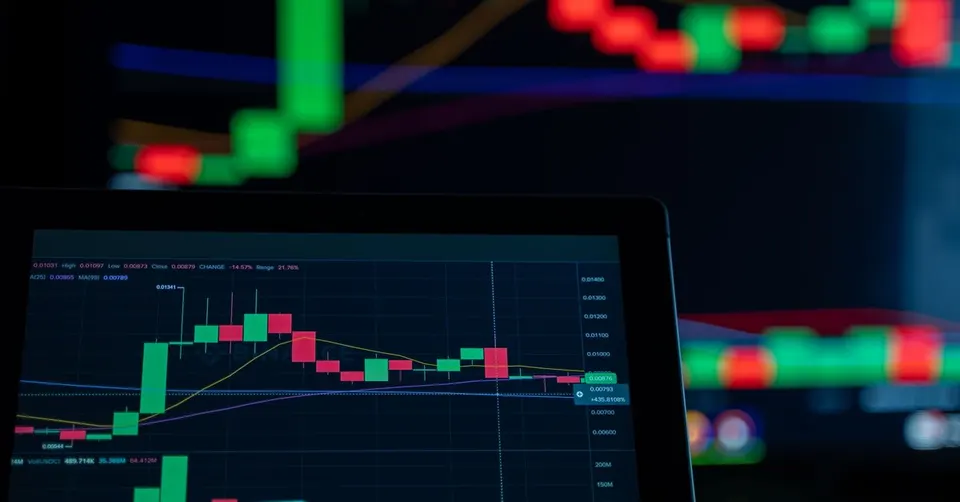
Currently, Bitcoin is 'coiling' within a $1,200 band near its highs, trading at approximately $64,785. For Iranian crypto users, this coiling phase is a period of high tension. A 'coil' in technical analysis suggests that a massive move—either up or down—is imminent. Given the limited miner support for BIP-110 (below 3%), the network remains secure, but the noise surrounding these technical disputes can cause temporary price swings that catch inexperienced traders off guard. It is a reminder that even 'digital gold' has its own internal politics that require careful monitoring.
Market Psychology and the Viral Effect
Finally, it is worth noting how quickly sentiment can shift based on global trends. Just as TikTok recently turned Japanese milk bread into a UK food craze, financial markets can be driven by 'viral' narratives. Whether it is a total solar eclipse in Spain capturing global attention or a new meme coin, the psychology of the crowd often overrides fundamental value in the short term. In Iran, this often manifests as 'panic buying' or 'panic selling' when a specific news item goes viral on Telegram or Instagram.

The lesson for today’s market is one of patience and discernment. Between the geopolitical stalemate in Oman and the technical forks in the Bitcoin network, there is a lot of 'noise.' Successful investors are those who can distinguish between a temporary viral trend and a long-term structural shift. While the 0.2% rise in the Dollar today might seem minor, it is part of a larger narrative of a nation waiting for a clear signal that the era of 'neither war nor peace' is finally coming to an end.
Concept Diagram
Frequently Asked Questions
What does 'neither war nor peace' mean for my savings?
Is the Bitcoin BIP-110 fork a threat to my BTC holdings?
Why is gold rising faster than the dollar today?
How do global events like a solar eclipse affect markets?
Understanding Geopolitical Risk Premium
When headlines speak of "the cost of uncertainty" and how international tensions shape a nation's currency, they are often referring to the concept of a Geopolitical Risk Premium. This is an additional return or cost that investors demand, or that markets price into assets and exchange rates, to compensate for the increased uncertainty and potential negative impacts arising from political instability, conflicts, or international diplomatic tensions. It reflects the market's perception of the likelihood and severity of adverse geopolitical events that could affect economic stability, trade, investment flows, and ultimately, a country's financial health.
This premium manifests in various ways across financial markets. For a country's currency, like the Iranian Toman, a significant geopolitical risk premium typically leads to depreciation. Investors and businesses become more hesitant to hold or invest in assets denominated in that currency, fearing sudden devaluations or capital controls. They may seek safer havens, such as gold or more stable foreign currencies, which can further exacerbate the pressure on the local currency. Similarly, a government might face higher borrowing costs as lenders demand greater compensation for the perceived risk of default or instability.
For Iran, the interplay of regional diplomacy, international sanctions, and domestic political developments creates a persistent geopolitical risk premium that directly impacts the Toman's exchange rate and the price of commodities like gold within the country. Each new development, whether it's a diplomatic overture, a protest, or a shift in international relations, is scrutinized by markets for its potential to either alleviate or intensify this risk. The higher the perceived risk, the larger the premium, making everything from imports to daily goods more expensive for citizens and creating significant economic challenges.
In essence, the geopolitical risk premium is the market's way of quantifying the unknown. It's the price tag attached to political instability and uncertainty, deeply influencing a nation's economic trajectory and the daily lives of its people by affecting everything from the cost of living to investment decisions.