From Lahijan to the Blockchain: Why Local Trade and Global Tech are Moving the Toman
از لاهیجان تا بلاکچین: چرا قراردادهای محلی و تکنولوژی جهانی قیمت تومان را تغییر میدهند؟
A new sister-city agreement with Armenia highlights Iran's push for regional trade, while global markets see a revolution in shipping tokenization. We explain how these seemingly distant events impact your local gold and currency prices.
At time of publishing
USD
187,000
Toman
Gold 18K
18.99M
Toman / gram
Bitcoin
$64,159
US Dollar
Tether
188,650
Toman
The Sister-City Signal: More Than Just Culture
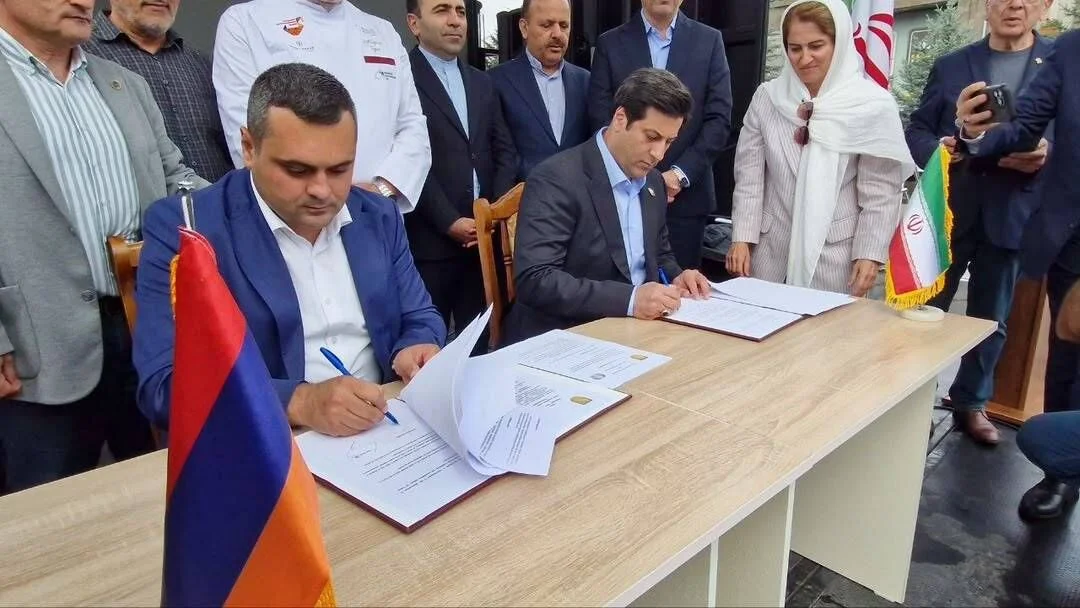
Today's news that Lahijan and the Armenian city of Sisian have signed a sister-city memorandum of understanding (MoU) might seem like a small cultural footnote. However, in the world of Iranian finance, these local-level ties are vital economic lifelines. As reported by state media, the goal is to expand cooperation in tourism and urban management, but the subtext is clear: strengthening regional trade corridors to mitigate the impact of international isolation. When two cities across a border simplify their interactions, it facilitates the flow of goods and small-scale capital, which provides a micro-level support for the Toman in border regions.
For the average investor, these agreements are indicators of "economic hardening." While the USD in Tehran rose 1.0% today to reach 187,000 Toman, the government’s strategy of building "people-to-people" ties with neighbors like Armenia is a long-term attempt to create a sanctions-resistant trade network. While these deals don't immediately crash the dollar's price, they represent the floor that keeps the economy moving when larger global doors remain closed.
The $2 Trillion Ship: Tokenization Hits the High Seas
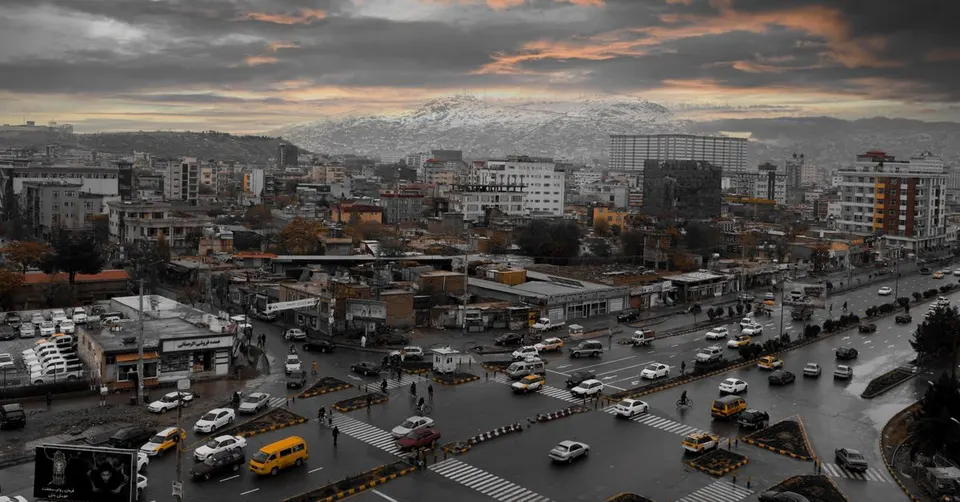
While Lahijan looks toward Armenia, the global crypto market is looking at ships. A major development today involves ADI Chain and Shipfinex partnering to tokenize commercial vessels. This isn't just tech-speak; it means a $680 billion ship-finance market is being broken down into digital tokens that anyone can buy. Imagine owning 0.001% of a massive cargo ship and earning a portion of its shipping fees. This is part of a broader trend where real-world assets (RWA) are moving onto the blockchain, turning illiquid machines into tradable digital gold.
For Iranian crypto users, this matters because it changes what "investing in crypto" means. Currently, most local users buy USDT or Bitcoin to protect against the Toman's 1.0% daily slide. However, as privacy tokens like Zama launch on major platforms like Revolut, the tools for Iranians to participate in these global decentralized finance (DeFi) markets are becoming more sophisticated. Investing is moving away from just betting on price swings and toward owning pieces of global infrastructure.
The Energy Squeeze and Your Gold Coins
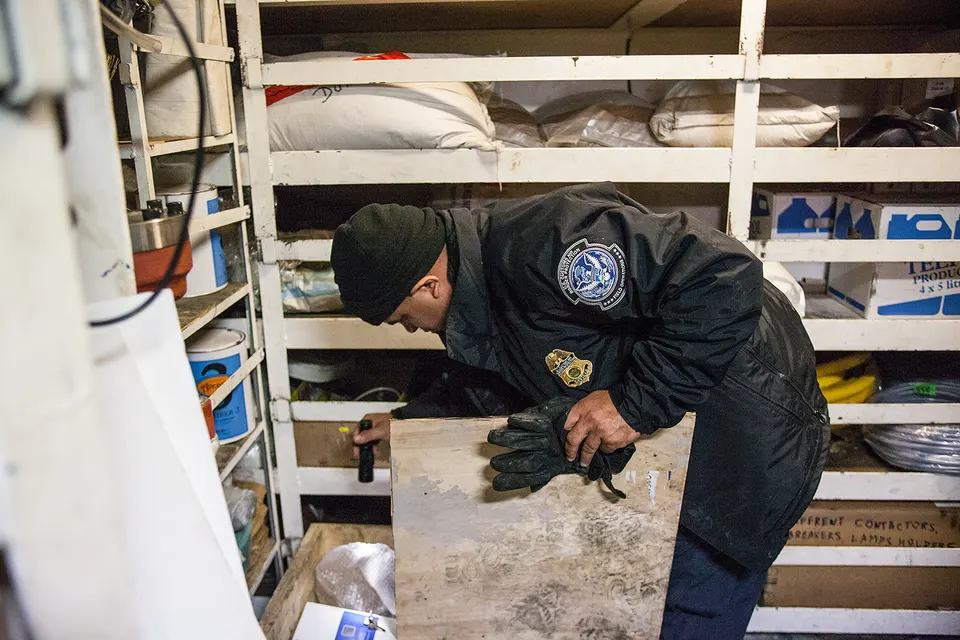
Global energy demand is hitting record highs, with gas turbine orders surging as countries scramble for power. According to JP Morgan, orders for these massive turbines rose 71% annually. This hunger for energy is a double-edged sword. On one hand, it keeps global inflation high because everything—from manufacturing to data centers—requires more expensive power. On the other hand, it drives investors toward "hard assets" like gold. Today, we saw Gold 18k/gram rise 1.1% to 18,994,413 Toman, while the Emami coin jumped 1.9% to 190 million Toman.
Why does a gas turbine order in Europe move the price of a coin in Tehran? It’s the inflation loop. When global energy demand spikes, the cost of living everywhere rises. Gold is the ultimate "inflation hedge." When you see the Emami coin rising faster than the dollar, it’s a sign that the market is more afraid of inflation than it is of currency fluctuations. Understanding this connection helps you realize that your local jewelry shop’s prices are often decided in the boardrooms of global energy giants and the shipping lanes of the Persian Gulf.
Concept Diagram
Frequently Asked Questions
Why does a sister-city agreement with Armenia affect the currency market?
What is 'shipping tokenization' and can Iranians participate?
Why did the Emami coin rise faster than the USD today?
Is the increase in gas turbine orders a sign of a global recession?
Tokenization of Real-World Assets (RWAs)
The convergence of local trade challenges and global technological advancements, particularly in blockchain, brings the concept of Tokenization of Real-World Assets (RWAs) into sharp focus. Simply put, RWA tokenization is the process of representing a tangible or intangible asset from the physical world as a digital token on a blockchain. Imagine a piece of real estate, a shipment of goods, or even a barrel of oil being digitally represented and traded on a distributed ledger, much like cryptocurrencies. This process creates a verifiable, immutable, and transparent digital counterpart to a physical asset.
The primary appeal of RWA tokenization lies in its potential to revolutionize how value is stored, exchanged, and accessed. By converting illiquid assets into divisible, transferable tokens, it significantly enhances liquidity, allowing for fractional ownership and easier global trade. For instance, a large cargo shipment, traditionally requiring complex paperwork and multiple intermediaries, could be tokenized. Each token might represent a fraction of the shipment's value, enabling faster, more transparent financing and ownership transfer across borders, potentially bypassing traditional banking hurdles and reducing transaction costs.
In economies experiencing currency volatility, such as those dealing with fluctuating exchange rates like the Toman, tokenized RWAs can offer an intriguing alternative for value preservation and trade. Instead of solely relying on the local currency or traditional hedges like physical gold, individuals and businesses could potentially invest in tokenized real estate, commodities, or even intellectual property. This diversification could provide a more stable store of value and facilitate international transactions by leveraging the global, borderless nature of blockchain technology.
However, the path to widespread RWA tokenization is not without its complexities. It requires robust legal frameworks to ensure the enforceability of digital ownership rights in the physical world, as well as clear regulatory guidelines to protect investors and prevent illicit activities. Despite these challenges, the ongoing development in decentralized finance (DeFi) and the increasing interest from traditional financial institutions suggest that RWA tokenization is poised to play a significant role in shaping the future of global commerce and finance, offering new avenues for efficiency, transparency, and access to capital.