Trump’s Decoy Planes and Fake Crypto Startups: Navigating the Hidden Costs of Geopolitical Risk
هواپیماهای فریبنده ترامپ و استارتاپهای جعلی کریپتو: هزینههای پنهان ریسکهای ژئوپلیتیک برای جیب شما
Recent reports of high-stakes decoys and sophisticated crypto scams reveal a world where uncertainty is the only constant. We explore how these global security threats translate into the 'risk premium' you pay every time you buy Gold or Dollars.
At time of publishing
USD
187,800
Toman
Gold 18K
19.12M
Toman / gram
Bitcoin
$63,884
US Dollar
Tether
187,003
Toman
The High Price of Uncertainty
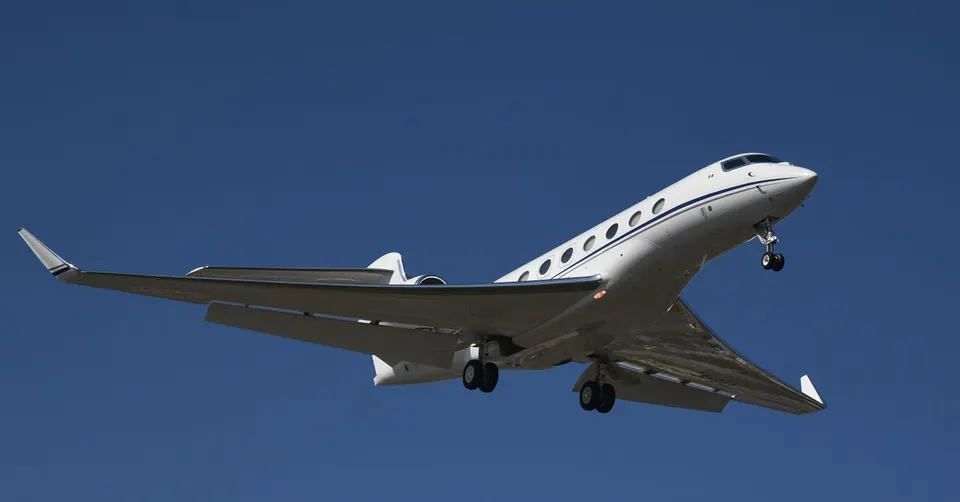
When news broke that Donald Trump reportedly used a decoy plane and even hid in a catering truck to evade potential Iranian threats, the world didn't just see a spy thriller plot—the markets saw a 'Risk Premium.' In financial terms, this is the extra price investors pay to hold an asset when the future looks dangerous. For an Iranian reader, this isn't just a headline about a US election; it is the reason why the Dollar remains stubbornly high at 187,800 Toman despite a lack of new local economic data today.
Every time a major political figure takes extreme security measures, it signals to the global market that tensions are rising. When tensions rise, investors flee 'risky' assets like emerging market currencies and flock to 'safe havens' like Gold and the US Dollar. This is why, even on a day when the USD/IRR rate showed 0.0% change, the floor of the market remains elevated. The 'decoy effect' reminds us that as long as the threat of escalation exists, the cost of living in a connected economy will include a surcharge for geopolitical stability.
The Honeypot Economy: Lessons from Fake Startups
While politicians are dodging physical threats, everyday investors are dodging digital ones. A fascinating report recently surfaced about a fake crypto startup designed to lure North Korean IT workers. These workers joined the company, thinking they were landing a lucrative tech job, only to have their every move tracked by security researchers. This is a classic 'honeypot'—a trap set to catch someone by pretending to be something valuable.
For the Iranian fintech community, the lesson is clear: in an environment where international banking is restricted, we are prime targets for these sophisticated social engineering tactics. Scammers know that Iranians are looking for ways to earn hard currency (USDT) or find remote work. They create professional-looking websites and LinkedIn profiles that look like legitimate DeFi projects. If a project offers returns or salaries that seem too good to be true, it likely is. Always verify the 'bridge' you are using; as we saw today with an XRP bridge being drained of $200,000 due to a software glitch, even the infrastructure of the crypto world is vulnerable to both malice and mistakes.
Demand Shocks and the Golden Anchor
Geopolitics isn't always about conflict; sometimes it's about rare events that shift local economies overnight. Take the total solar eclipse currently drawing thousands to sleepy Spanish villages. This 'event of the century' has caused a massive surge in local prices for transport and lodging—a classic demand shock. While this brings a temporary boom to Spain, it reminds global investors of how fragile supply and demand balances can be.
In the midst of this global noise—from UK heatwaves triggering emergency government meetings to migration debates in Australia—Gold remains the ultimate anchor. Although Gold 18k in Iran saw a slight dip of -0.6% today to 19,119,072 Toman per gram, the global price of gold is sitting at a staggering $4,415.50 per ounce. This high valuation reflects a world that is hedging against everything: from climate change to political assassinations. For the average investor in Tehran, holding gold isn't just a tradition; it’s a mathematical response to a world where even a catering truck can become a piece of a geopolitical puzzle.
Concept Diagram
Watch
Trump's secret flight out of Turkey amid possible Iranian assassination threat
ABC News
Frequently Asked Questions
What is a 'Geopolitical Risk Premium' and how does it affect the Toman?
How can I identify a fake crypto startup or job offer?
Why did Gold drop 0.6% today while global tensions seem high?
What is a 'demand shock' in the context of the solar eclipse news?
Understanding the Geopolitical Risk Premium
In a world increasingly shaped by global events, understanding the concept of a Geopolitical Risk Premium is crucial for anyone navigating financial markets or simply trying to make sense of economic news. Geopolitical risk refers to the potential disruptions and uncertainties arising from political instability, international conflicts, terrorism, trade wars, and other events that transcend national borders. These risks, whether real or perceived, introduce an element of unpredictability into the global economic landscape, affecting everything from commodity prices to currency exchange rates.
When geopolitical risks loom, investors typically demand additional compensation for holding assets exposed to these uncertainties. This additional compensation is known as the geopolitical risk premium. It manifests as higher interest rates on government bonds from affected regions, lower valuations for companies operating in volatile areas, or an increased cost of capital for businesses. Essentially, it's the market's way of pricing in the potential for adverse political or military events, requiring a greater expected return to offset the heightened risk of capital loss or reduced profitability.
The impact of a geopolitical risk premium is evident across various asset classes. For instance, during times of heightened tension, there's often a flight to so-called "safe haven assets" like gold, certain stable currencies (e.g., Swiss Franc, Japanese Yen), or highly-rated government bonds. The demand for these assets drives their prices up, while riskier assets, such as equities in emerging markets or currencies of nations directly involved in conflicts (like the Toman exchange rate in Iran), may see their values decline as investors pull back or demand a higher premium to hold them. The mention of "Trump’s Decoy Planes" or "fake crypto startups" in a headline, while specific examples, highlights how disinformation or fraud can exacerbate market uncertainty, contributing to the overall geopolitical risk perception.
Ultimately, the geopolitical risk premium serves as a vital indicator for investors, policymakers, and economists. It helps in assessing the true cost of capital, making informed investment decisions, and understanding the underlying drivers of market volatility. By recognizing this premium, one can better anticipate how global political dynamics translate into tangible economic and financial consequences, shaping everything from the price of gold in 2026 to the stability of national currencies.