From Manhattan Courtrooms to Tehran Bazaars: Why Global Headlines Move the Toman
از دادگاههای منهتن تا بازارهای تهران: چرا اخبار جهانی قیمت دلار را جابهجا میکنند؟
A high-profile trial in New York or an oil deal in New Delhi might seem worlds away, but for the Iranian investor, these are the hidden gears of the market. We break down how global sentiment and energy shifts dictate the value of your savings today.
At time of publishing
USD
187,200
Toman
Gold 18K
19.03M
Toman / gram
Bitcoin
$62,746
US Dollar
Tether
187,260
Toman
The Invisible Thread of Global Sentiment
It might seem absurd to think that a legal case involving Luigi Mangione and a healthcare CEO in New York could influence the price of a gold coin in Tehran. However, the financial world is more interconnected than ever. When major stories break in the United States—the world’s largest economy—they shift the "risk appetite" of global investors. A high-profile federal trial involving corporate giants creates a ripple of uncertainty. When investors are uncertain, they often retreat to the safety of the US Dollar, strengthening it against all other currencies, including the Toman.
Today, we see a slight cooling in the local market, with the USD selling at 187,200 Toman, a minor 0.2% dip from yesterday's 187,600. While this might look like a local correction, it is often a reflection of how the world is processing risk. If the US legal system or political landscape feels volatile, the global 'Dollar Index' reacts. For Iranians, who use the dollar as a primary hedge against inflation, every twitch in Manhattan is eventually felt in the local exchange shops.

The Energy Chessboard: Russia, India, and Iran
While legal dramas capture headlines, the real movement of wealth happens in the shadows of the energy market. Recent reports indicate that Russia has captured a record 50% share of India’s oil market. For an Iranian reader, this is more than just a statistic; it is a direct signal of competition. India is a massive buyer of crude, and when Russia aggressively discounts its oil to dominate that market, it limits the space for Iranian exports.
Less demand or lower prices for Iranian oil means fewer "Petrodollars" entering the country. This scarcity of hard currency is the fundamental driver of the Toman's long-term devaluation. When you see Russia exporting 2.47 million barrels daily to India, you are looking at the reason why the Toman struggles to find a floor. Even as the government claims a "new turning point" in relations with neighbors like Pakistan, the hard reality of oil competition remains the dominant force in the national budget.

Crypto Headwinds and the Digital Safety Net
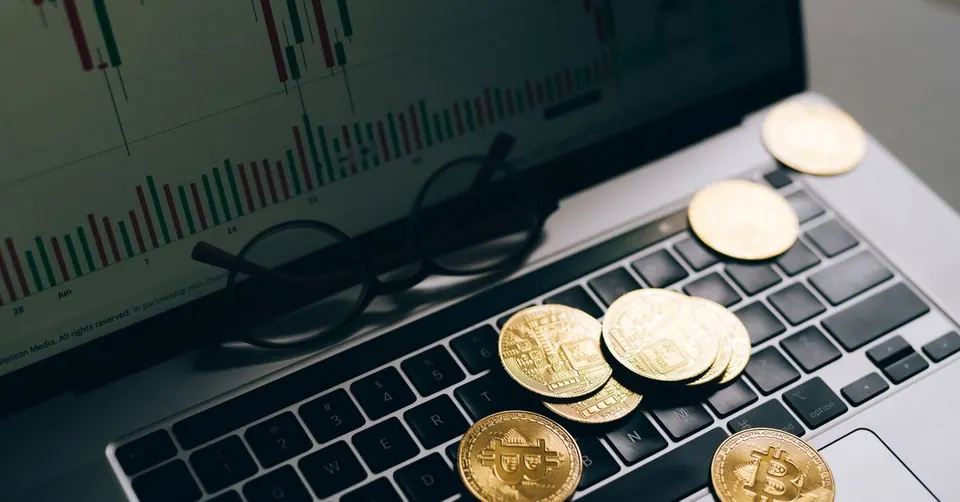
Bitcoin is currently facing a "cluster of headwinds," trading at $62,746 as regulatory pressure in the US mounts. For many Iranians, cryptocurrency has become a digital alternative to the dollar. When Bitcoin or XRP face losses, as we are seeing today, it often drives local traders back into Tether (USDT). Currently, USDT is trading at 187,260 Toman, maintaining a slight premium over the physical greenback. This shows that even when the global crypto market is nervous, the local demand for a dollar-pegged asset remains insatiable.
This "risk-off" sentiment is also visible in the gold market. Gold 18k per gram fell slightly by 0.2% to 19,033,658 Toman, mirroring the small dip in the USD. When global markets are bearish on crypto and uncertain about US policy, they don't just stop trading; they move their capital into what they perceive as the safest possible harbor. In Iran, that harbor is a mix of physical gold and digital stablecoins. Understanding these flows helps you realize that your local prices are not just a result of local policy, but a reaction to a global game of musical chairs.
Why Policy Overhauls in Australia Matter to You
Even seemingly domestic news, like the Australian Senate's scathing report on the NDIS overhaul, tells a story about global inflation and government spending. Governments everywhere are struggling to curb massive social spending programs as they fight the rising costs of living. When a stable economy like Australia's is accused of moving "too far, too fast" to cut support, it highlights a global trend: the era of easy money is over.
For the Iranian investor, this is a reminder that inflation is a global beast, though it bites harder at home. The 0.2% drop we see today in both gold and the dollar is a momentary pause in a much larger story of fiscal tightening. Whether it is a trial in New York, an oil tanker in the Indian Ocean, or a budget debate in Canberra, these events dictate the purchasing power of your Toman. Staying informed isn't just about curiosity; it's about survival in a world where everything is connected.
Concept Diagram
Frequently Asked Questions
Why does a US court case affect the price of the Toman?
How does Russia's oil share in India impact the Iranian economy?
Why is USDT trading higher than the physical Dollar in Tehran?
Does the 0.2% drop in gold today mean prices are stabilizing?
Geopolitical Risk and Currency Volatility
Global headlines often carry far more weight than local economic data when it comes to the value of a nation's currency, especially for economies deeply intertwined with international politics. This phenomenon is best understood through the lens of Geopolitical Risk and Currency Volatility. Geopolitical risk refers to the potential for political events, conflicts, or international tensions—ranging from major diplomatic shifts to specific legal proceedings in international courts—to disrupt global markets and economies. When such risks emerge, they invariably cast a shadow over a country's financial stability, directly impacting its currency's value.
The mechanism is straightforward yet powerful: geopolitical events generate uncertainty. This uncertainty can deter foreign investment, encourage capital flight (where investors move assets out of a country), and lead to a higher risk premium demanded by investors for holding that nation's assets, including its currency. For countries like Iran, which often face international sanctions, geopolitical developments can directly affect critical revenue streams, such as oil exports, and restrict access to the global financial system. A trial in a "Manhattan Courtroom" might, for instance, signal escalating tensions or potential new sanctions, triggering a rapid re-evaluation of economic prospects.
Consequently, the value of the Toman (Iran's currency) becomes highly sensitive to these global shifts. When geopolitical tensions escalate or new sanctions are threatened, the demand for the Toman can plummet, leading to significant depreciation against major currencies like the USD. In such environments, local populations often seek to preserve wealth by converting their savings into more stable assets. This explains the surge in demand for gold within Iran or the increased use of cryptocurrencies like Tether, which offer alternative avenues for value storage and transfer, often bypassing traditional, sanctioned financial channels.
This volatility extends beyond mere exchange rates, profoundly impacting the daily lives of citizens. The "Tehran Bazaars" serve as a direct barometer, where the prices of imported goods, and even locally produced items with imported components, can fluctuate wildly in response to global headlines. Understanding how geopolitical risks translate into currency volatility is crucial for anyone seeking to comprehend the economic dynamics of nations navigating complex international landscapes, highlighting the deep interconnectedness of politics, finance, and everyday commerce.