
Football, Finance, and the 187,800 Toman Dollar: What the Pro League Kickoff Tells Us About the Market
فوتبال، فینانس و دلار ۱۸۷ هزار تومانی: افتتاحیه لیگ برتر چه پیامی برای بازار دارد؟
As the 26th Iran Pro League kicks off in Tabriz and Tehran, the excitement on the pitch masks a deeper economic story. From currency hedging in player contracts to the impact of global geopolitical shifts on your gold savings, we break down why the stadium and the exchange are more connected than you think.
At time of publishing
USD
187,800
Toman
Gold 18K
19.20M
Toman / gram
Bitcoin
$62,924
US Dollar
Tether
186,920
Toman
The Roar of the Crowd and the Whisper of the Market
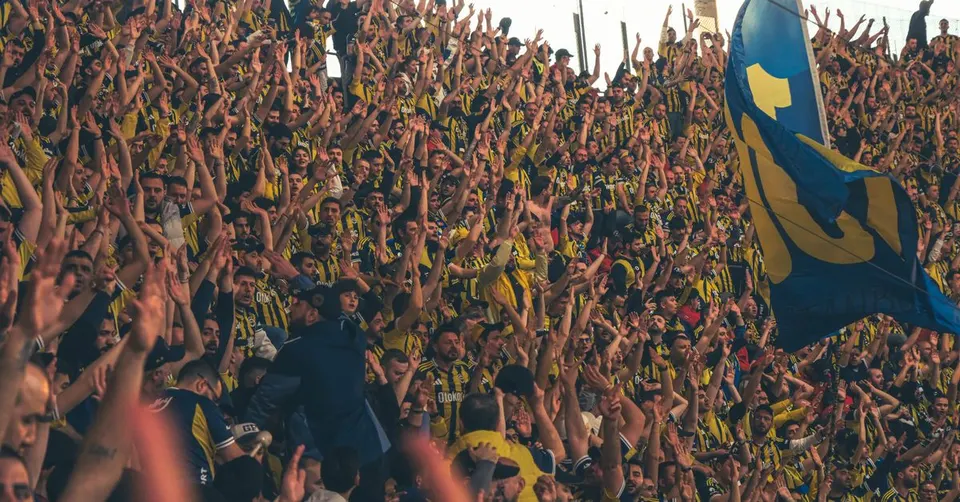
Yesterday, the 26th season of the Iran Pro League kicked off with a burst of energy that felt almost disconnected from the somber reality of the currency markets. In Tabriz, Tractor S.C. secured a 2-0 victory over Paykan at the Yadegar-e Emam Stadium, while in Shahr-e Qods, Esteghlal dominated Mes Shahr-e Babak with a 4-0 win. On the surface, these are just sports results, but for the astute investor, they represent a barometer of consumer sentiment. When thousands fill stadiums, it signals a momentary reprieve from the 'inflation fatigue' that has gripped the nation. However, the scoreboard that truly matters for most Iranians isn't in Tabriz; it's on the currency boards where the USD rose to 187,800 Toman today, a 0.6% climb that quietly erodes the purchasing power of every fan in those stands.
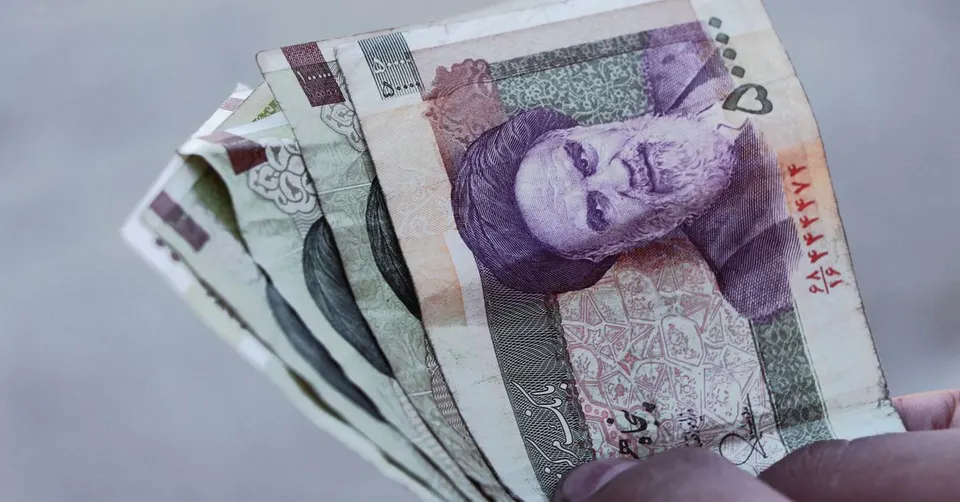
This disconnect between public spectacle and economic pressure is a classic feature of volatile markets. While the government uses these events to project a sense of normalcy and stability, the underlying data tells a different story. Gold 18k has nudged up to 19,202,179 Toman per gram, reflecting a persistent lack of confidence in the local currency. For the average Iranian, the cost of a match ticket or a team jersey is no longer just a fixed price; it is a calculation of how many 'Satoshis' or 'Gold decimals' they are sacrificing for 90 minutes of entertainment. The Pro League is a multi-trillion Toman industry, and every goal scored is underpinned by a financial system struggling to keep pace with global inflation.
The 'Arteta' Dilemma: Managing Contract Risk in Volatile Times
Across the globe, even the giants of the English Premier League are grappling with the complexities of financial commitments. Mikel Arteta, the man who ended Arsenal's long title drought, recently spoke about resolving his contract negotiations ahead of the clash with Manchester City. While Arteta's concerns are about titles and legacy, the lesson for us in Iran is about 'Contract Risk.' In a world where the Toman can fluctuate by 1% in a single day, how do local clubs—or any business for that matter—sign long-term agreements? When a foreign player signs for a club in Tehran, they aren't just looking at the salary; they are looking at the 'Peg.' If the club doesn't hedge their currency risk, a sudden spike in the Dollar can turn a winning season into a bankruptcy nightmare.
This is where the concept of 'Hedging' becomes vital for the everyday investor. Just as a football club might use forward contracts to lock in an exchange rate for a player's salary, an individual can use stablecoins like USDT (currently at 186,920 Toman) or Gold coins to lock in their purchasing power. Today's rise in the Emami coin to 191,000,000 Toman is a perfect example of the market 'hedging' against future uncertainty. If you are waiting for the 'perfect time' to enter the market, remember that in finance, as in football, waiting too long on the sidelines often means missing the goal entirely. The volatility we see today is not just a hurdle; it is the environment in which we must learn to play.
Geopolitical Shadows and the Price of Safety
Beyond the stadium walls, the global landscape is shifting in ways that directly impact the price of gold in your pocket. European diplomats from France, Germany, and the UK are currently scrambling to find a role in potential Russia-Ukraine peace talks, wary of how a future Trump administration might reshape global alliances. This geopolitical 'tug-of-war' creates a risk-off sentiment globally. When the world is unsure about the future of the dollar or the stability of Europe, they buy gold. This global demand, combined with our local currency depreciation, is why we see Gold 18k sitting at over 19 million Toman per gram today. It is an 'inflation hedge' that works on two levels: protecting you from the falling Toman and the rising global uncertainty.
---
Finally, we must address the human element of the markets. The tragic news of Professor Jason Arday’s death in the UK, following what his family described as a 'campaign of misinformation,' serves as a stark reminder of the power of narrative. In the world of finance, misinformation can be just as deadly to a portfolio. Telegram channels and 'basement analysts' often spread rumors of currency crashes or gold moons to manipulate retail buyers. Whether it's a football score or a BTC price of $62,924, always verify your sources. The market is a game of information; those who react to the loudest noise usually lose, while those who watch the data—the 0.8% rise in Emami coins or the 0.6% rise in USD—stay ahead of the curve. Stay informed, stay skeptical, and keep your eye on the real scoreboard.
Concept Diagram
Frequently Asked Questions
How does a rise in the USD affect Iranian football club budgets?
Why is the Emami coin rising faster than the USD today?
What is 'Contract Risk' and how can I avoid it in business?
Is gold still a good 'inflation hedge' at 19.2 million Toman per gram?
Understanding Inflation Hedging in Volatile Economies
In economies experiencing high inflation, like Iran, the purchasing power of local currency erodes rapidly. This phenomenon compels individuals and businesses to seek strategies to protect their wealth, a practice known as inflation hedging. An inflation hedge is an investment or asset intended to protect investors from the decreased purchasing power of a currency that results from the rise in prices. The goal is to hold assets whose value tends to increase with or outpace inflation, thereby preserving real wealth.
Historically, tangible assets have been favored as inflation hedges. Real estate, commodities like oil and precious metals such as gold, and even certain inflation-indexed bonds are common examples. The underlying principle is that while the cost of goods and services rises, the value of these assets often increases in tandem, or at least holds its ground better than cash or traditional savings accounts denominated in a depreciating currency. This makes them attractive during periods of economic uncertainty and currency instability.
In the Iranian context, where the rial has faced significant depreciation against major foreign currencies, the appeal of assets like gold and the U.S. dollar becomes particularly pronounced. The "Emami coin" (a specific gold coin in Iran) and the "gold price in Tehran" are frequently monitored indicators because they represent accessible ways for ordinary citizens to convert their savings into a more stable store of value. Similarly, converting local currency into U.S. dollars, as reflected in the "USD to IRR exchange rate," is a common strategy to mitigate the impact of rising domestic prices and the declining value of the rial.
These actions are not merely speculative investments; for many, they are essential defensive measures to safeguard their hard-earned savings against the relentless erosion caused by inflation. While football scores might capture headlines, the underlying economic realities, such as the value of the dollar and the price of gold, often dictate the financial decisions of millions, reflecting a broader societal effort to navigate economic volatility through inflation hedging.