Beyond the Goal: Why Hurricanes, Outbreaks, and Athletes Influence Your Toman Portfolio
فراتر از مستطیل سبز؛ چرا طوفانها، بیماریها و ورزشکاران بر سبد دارایی شما اثر میگذارند؟
From the national handball team's training in Tehran to hurricanes lashing Hawaii, seemingly unrelated events create ripples in global finance. Understanding 'Systemic Risk' is the first step for any Iranian investor looking to protect their wealth from unpredictable global shocks.
At time of publishing
USD
186,200
Toman
Gold 18K
19.10M
Toman / gram
Bitcoin
$63,014
US Dollar
Tether
185,992
Toman
The Invisible Thread of Global Risk
As the Iranian national handball team wraps up its final training session in Tehran under coach Nenad Kljaić, preparing for a tour in Serbia, most observers see only a sports story. However, for a financial educator, this is a lesson in 'Event Risk.' Every international tour, every match like the goalless draw between Zob Ahan and Foolad, and every struggle of a global icon like Novak Djokovic in the Cincinnati heat represents a micro-economic movement. These events require foreign exchange, logistics, and insurance—sectors that are the bedrock of the global economy. When we see the USD/IRR rate dip slightly by 0.4% to 186,200 Toman today, it isn't just random noise; it is the collective result of thousands of such logistical realities and the sentiment they generate.
In the world of finance, we distinguish between 'Idiosyncratic Risk'—the chance that a specific athlete like Arthur Fery wins while a giant like Djokovic falls—and 'Systemic Risk.' While a tennis match might not move the needle for the Toman, it serves as a metaphor for the unpredictability of markets. For an Iranian investor, understanding that even the most stable 'players' in the market can face a 'shock defeat' is crucial. Diversification isn't just a buzzword; it is the strategy of not betting your entire life savings on a single 'star' asset that might have a bad day in the heat of a geopolitical or economic crisis.

When Nature and Health Disrupt the Ledger
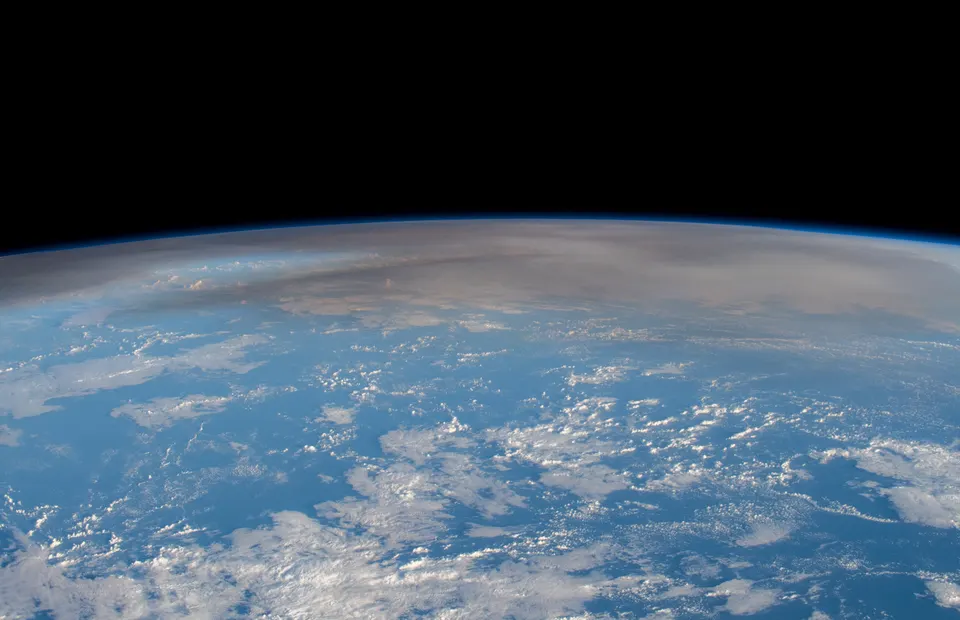
Moving from the court to the global stage, we see more aggressive forms of risk. Hurricane Lala is currently lashing Hawaii with torrential rain, threatening the first direct hit in over three decades. Simultaneously, a cholera outbreak in Myanmar, exacerbated by civil unrest and monsoon rains, has sickened dozens in its largest city. To a beginner, a hurricane in the Pacific or a health crisis in Southeast Asia might seem irrelevant to the price of gold in an Isfahan bazaar. Yet, these are the very events that trigger 'Safe Haven' buying. When systemic risk rises—meaning the risk that the entire system might face a slowdown—investors flee to gold.
Today's data shows Gold 18k rising by 0.2% to 19,095,987 Toman per gram. This subtle climb happens because, in times of uncertainty, gold remains the ultimate 'insurance policy.' Whether it is a natural disaster in the US or a breakdown of health infrastructure in a conflict zone, the global market's reflex is to seek stability. For Iranians, who already live in a high-volatility environment, observing these global triggers is essential. It helps you understand why your local gold shop might be raising prices even when the local news seems quiet; the world is interconnected, and a storm in Hawaii can blow the dust off your savings account in Tehran.
Geopolitics and the 'Inflation Hedge' Strategy
Finally, we must address the most direct driver of local prices: geopolitics. Reports from state media regarding Israeli phosphorus attacks in southern Lebanon remind us that regional stability is always on a knife-edge. Such events often lead to a 'risk-off' sentiment, where traders sell off local currencies in favor of the US Dollar or stablecoins like USDT. Interestingly, the Tether price in Tehran is currently sitting at 185,992 Toman, closely tracking the free market rate. This shows that despite the chaos, the digital dollar remains the primary tool for Iranians to 'hedge' against the sudden depreciation of the Toman.
To 'hedge' simply means to take an offsetting position to protect yourself. If you believe regional tensions or global disasters (like the Myanmar outbreak or Hawaii's hurricane) will devalue your local currency, you move a portion of your wealth into assets that move in the opposite direction. This is why Bitcoin, even while stalling at $63,014, is viewed by many as 'digital gold.' It operates outside the traditional banking system that can be crippled by war or disease. By watching the news not just as headlines, but as signals of risk, you transform from a passive observer into a proactive manager of your own financial future.
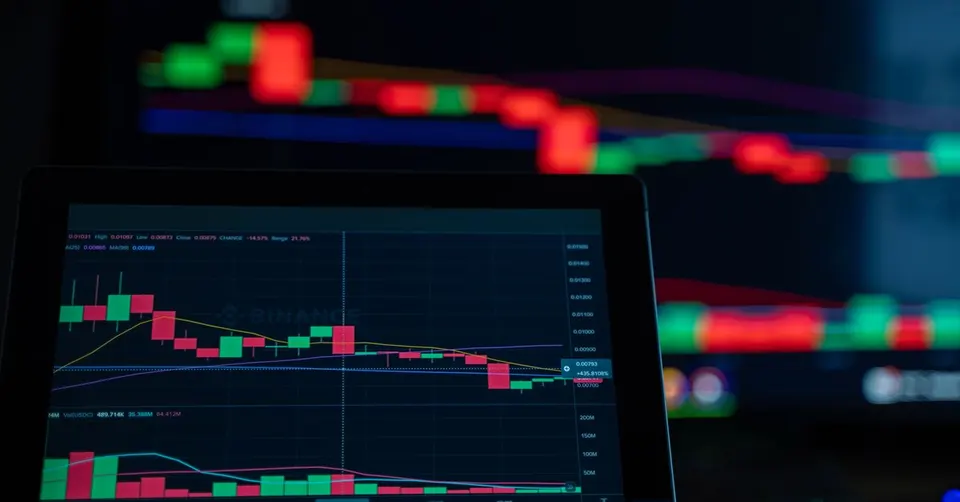
Concept Diagram
Watch
Good Morning America Full Broadcast - Saturday, August 15, 2026
ABC News
Frequently Asked Questions
Why does gold in Iran react to a hurricane in Hawaii?
What is the difference between Idiosyncratic and Systemic risk?
How does the national handball team's travel affect the currency market?
Is USDT a reliable hedge against regional geopolitical tension?
Systemic Risk: When the Whole System Falters
Systemic risk refers to the risk of collapse of an entire financial system or market, as opposed to the failure of a single entity within it. It's characterized by a domino effect, where the failure of one component or a significant shock can trigger a cascade of failures across interconnected institutions, markets, or even entire economies. Unlike idiosyncratic risk, which affects only a specific company or asset, systemic risk poses a threat to the stability and functioning of the broader economic landscape, potentially leading to widespread economic disruption, capital flight, and a loss of confidence.
The headline's mention of "hurricanes, outbreaks, and athletes" influencing a "Toman Portfolio" perfectly illustrates how diverse and seemingly unrelated events can act as triggers for systemic risk, especially in economies with particular vulnerabilities. A major natural disaster (hurricane), a global pandemic (outbreak), or even significant geopolitical events (which might involve national figures like athletes or political leaders) can disrupt supply chains, reduce productivity, impact government revenues, and erode public trust. In a market like Iran, already subject to geopolitical pressures and currency volatility, such shocks can quickly escalate, affecting the Toman exchange rate, driving up the price of gold, and increasing demand for alternative assets like USDT as inflation hedges.
When systemic risk looms, investors and ordinary citizens alike seek refuge. The demand for "safe haven assets" like gold or stablecoins (such as USDT in the Tehran market) surges as people attempt to protect their wealth from currency devaluation and economic instability. This flight to safety is a direct response to the perceived threat to the entire financial system. Understanding systemic risk is crucial because it highlights the interconnectedness of global and local events, explaining why a distant natural disaster or a geopolitical shift can directly impact the value of your local currency and your investment portfolio, emphasizing the importance of "asset diversification" as a protective strategy.