War Echoes and Smart Money: Why Bitcoin Holds Firm While Tensions Rise in Ukraine and Tehran
طنین جنگ و حرکت پولهای هوشمند؛ چرا با وجود تنش در اوکراین و تهران، بیتکوین ایستادگی میکند؟
As geopolitical tensions flare with Ukraine's promised response to Russian strikes, global markets are shifting into a 'risk-off' mode. We explore why institutional giants like Cathie Wood are buying the dip while the Iranian Toman faces a fresh 0.5% slide against the Dollar.
At time of publishing
USD
187,800
Toman
Gold 18K
19.33M
Toman / gram
Bitcoin
$64,104
US Dollar
Tether
186,555
Toman
The Geopolitical Stress Test: War and the 'Risk-Off' Reflex
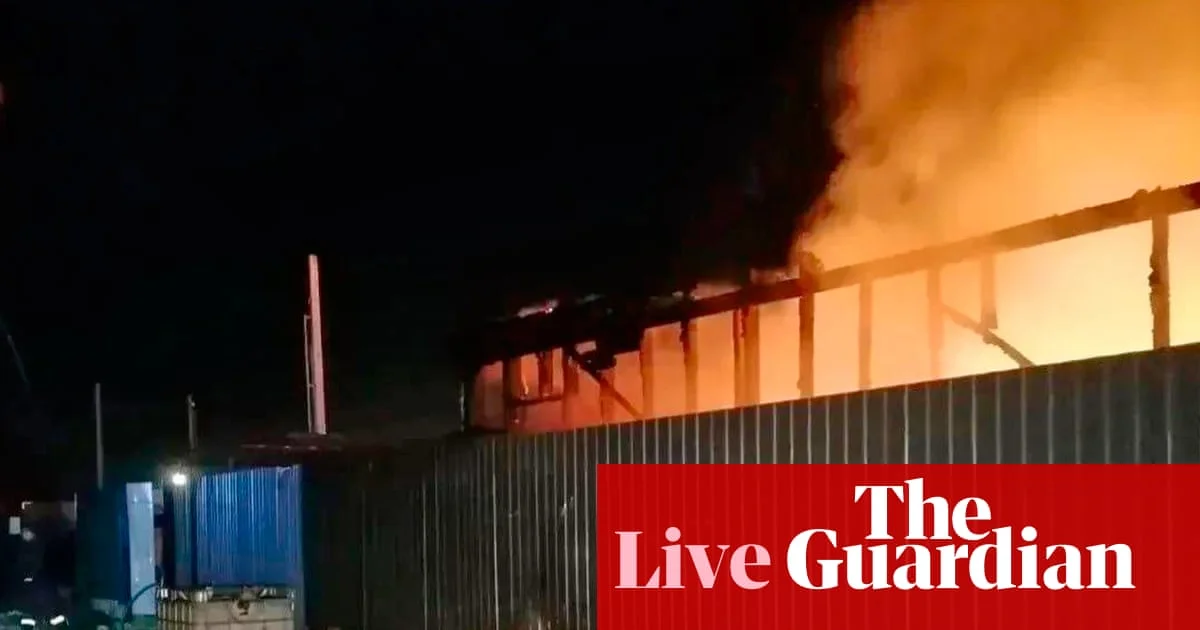
The news out of Eastern Europe today is a sobering reminder of how quickly geopolitical stability can fracture. President Volodymyr Zelenskyy has vowed a definitive response after a Russian strike claimed 10 lives, signaling an escalation that has sent ripples through global commodities and currency markets. In the world of finance, this usually triggers a 'risk-off' reflex: investors flee volatile assets like stocks and crypto in favor of 'safe havens' like gold. We can see this play out in real-time today, as gold 18k in Tehran rose by 0.8% to 19,333,764 Toman per gram, tracking the global anxiety.
For the Iranian investor, these global headlines are never just distant news. They directly impact the local exchange rate through the lens of 'expectation inflation.' When the world feels unstable, the demand for hard currency surges. Today, the USD sell rate in Tehran climbed to 187,800 Toman, a 0.5% increase from yesterday's 186,950. This isn't just about local supply and demand; it’s about the Iranian market pricing in the possibility of wider global instability that could further squeeze trade routes or oil prices.

Smart Money vs. Retail Fear: The Cathie Wood Play
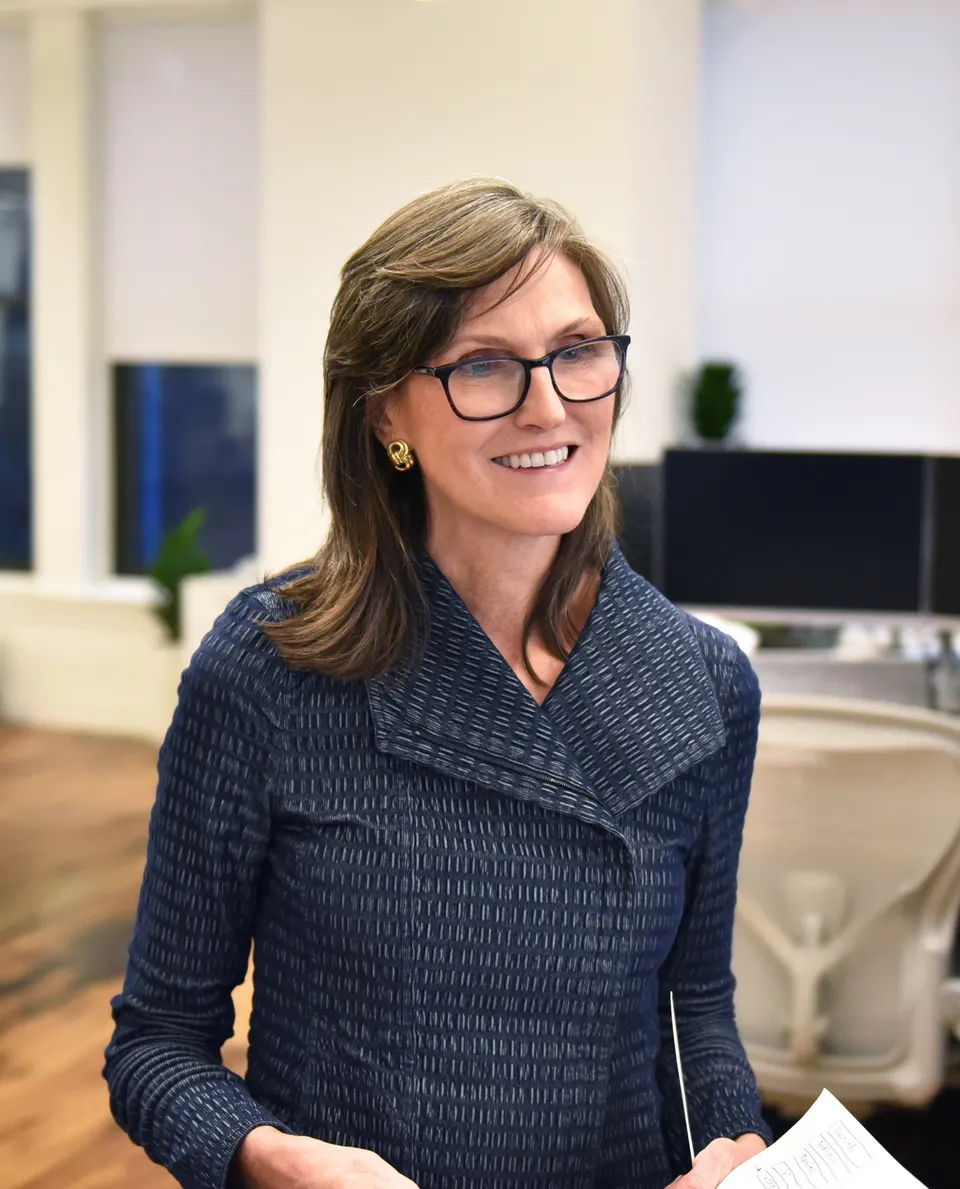
While the headlines might suggest a time for caution, 'Smart Money'—the large-scale institutional investors—often sees things differently. Today, Cathie Wood’s Ark Invest made waves by scooping up $15 million in Block Inc (formerly Square) shares after a 3% dip. This move is a classic example of 'buying the blood in the streets.' Block Inc is heavily integrated into the Bitcoin ecosystem, and Wood’s purchase signals a long-term confidence that transcends the immediate noise of military conflict or short-term market corrections.
This institutional behavior highlights a critical lesson for intermediate investors: volatility is a feature, not a bug. While retail traders in Tehran might be panicking over a 0.5% move in the Dollar, professional funds are looking at the underlying technology and the 'dip' as an entry point. It’s also interesting to note how even non-financial news, like the Wetherspoons pub chain banning speakerphone calls to create an 'oasis of tranquility,' mirrors the need for investors to tune out the loud, distracting 'noise' of the daily news cycle to focus on their core strategy. To succeed, one must find their own oasis of calm amidst the market's roar.
The Iranian Context: Navigating Local Volatility
Closer to home, the regional dynamics remain complex. While global markets react to Ukraine, Tehran is focused on its own diplomatic balancing act. Vice President Abdolkarim Hosseinzadeh recently emphasized that Iran will not allow 'conspiracies' to drive a wedge between Tehran and Iraqi Kurdistan. These claims of regional unity are intended to project stability, yet the market remains skeptical, as evidenced by the Emami coin rising 0.8% to reach 192,000,000 Toman. In Iran, gold and coins often act as the ultimate thermometer of public trust in regional peace.
Furthermore, the evolution of 'rules' is a theme we see everywhere—from Victoria, Australia, expanding its definition of corruption to capture more government misconduct, to the way crypto protocols are tightening their governance. For the Iranian user, this means the 'wild west' era of crypto and unofficial FX trading is slowly being replaced by more complex, regulated environments. Understanding these shifts—whether they are legal definitions or institutional buying patterns—is the only way to protect your purchasing power in an era where the Toman's value is increasingly tied to events happening thousands of miles away.
Concept Diagram
Watch
Ukraine launches 800+ drones at Russia in one of its largest attacks
CNN
Frequently Asked Questions
Why is gold rising faster than the dollar today?
What does Cathie Wood's $15M investment in Block Inc mean for Bitcoin?
How do regional statements about Iraqi Kurdistan affect the Toman?
Is the 0.5% rise in USD/IRR a significant trend?
Safe Haven Assets: Navigating Uncertainty in Turbulent Times
In times of geopolitical tension, economic instability, or market volatility, investors often seek refuge in what are known as safe haven assets. These are investments that are expected to retain or even increase in value when broader markets are falling. The primary goal of investing in a safe haven asset is not necessarily high returns, but rather the preservation of capital and a hedge against uncertainty, providing a sense of security amidst global turmoil.
Historically, certain assets have consistently served this role. Gold is perhaps the quintessential safe haven, valued for its intrinsic worth, historical use as money, and limited supply. Its price often rises during crises as investors flock to its perceived stability, as seen with the recent interest in gold amidst tensions in regions like Tehran. Similarly, government bonds from highly stable economies (such as U.S. Treasury bonds) and strong, independent currencies like the Swiss Franc or Japanese Yen are also considered safe havens due to their reliability and the perceived strength of their issuing nations.
More recently, the debate has emerged around whether Bitcoin can function as a modern safe haven. Proponents argue that its decentralized nature, global accessibility, and finite supply (often dubbed "digital gold") make it an attractive alternative, especially for those in regions with unstable local currencies or restrictive capital controls. The headline's observation of Bitcoin holding firm amidst rising tensions speaks to this narrative. However, skeptics point to its relatively short history, high volatility, and evolving regulatory landscape as reasons for caution, suggesting it may not yet offer the same level of proven stability as traditional safe havens.
Understanding safe haven assets is crucial for any investor looking to diversify their portfolio and mitigate risks during periods of global unrest. While traditional options remain popular, the evolving financial landscape continues to challenge and redefine what truly constitutes a reliable haven in an increasingly interconnected and unpredictable world.